
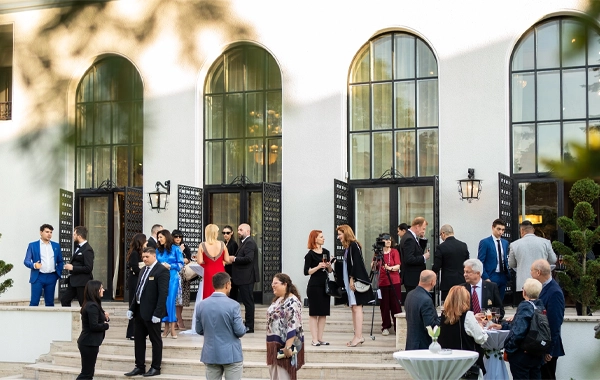





We invite you to take a brief look back at the main exhibitions organized by WIN Gallery and the events we took part in throughout 2025, both nationally and internationally.
WIN Gallery Vernissages
Between two leaves of time—the end of one year and the beginning of another—nostalgia, hope, and, above all, questions emerge, almost imperceptibly and inevitably. We construct balance sheets, adding and subtracting—things and dreams. Often, our gaze falls either on what must be left behind or on the novelty awaiting to be embraced. Perhaps it rests too rarely on the constants in our lives. Have you recently thought about what those are for you?
Certain values, people, and ideas shape us and become a sort of personal compass. They do not go out of style, nor do they lose their relevance. On the contrary, if we were to renounce them, we would lose a part of ourselves. For me and the team of WIN Gallery, art belongs in this category. It combines observation, imagination, creation, and emotion. It is not merely a source of pleasure, but a way of relating to the inner self and to life itself.
It is a great joy for us to have you as part of our community. Together, we are sketching a portrait of our times. What we exhibit, admire, sell and collect becomes a fragment of art history for future generations. These gestures speak about us - about who we are, both as individuals and as a society.
Our gratitude and warmest wishes go to the artists and to all of you, who support our work. We believe, without any reservation, that art is, in equal measure, an emotional, financial, and moral investment.
May you have a healthy and inspiring 2026, a year in which beauty is not only an occasion for contemplation but also a guide for your thoughts and a driving force in all that you do!
Irina Stoenescu
Chairlady, WIN Gallery
We invite you to take a brief look back at the main exhibitions organized by WIN Gallery and the events we took part in throughout 2025, both nationally and internationally.
A group exhibition that captured facets of femininity and expanded the limits of artistic expression, Blooming Mystery brought together 21 women artists from Romania and Slovenia and unfolded as a compelling visual dialogue, in which each work revealed its own story of mystery, strength, and feminine beauty. The opening took place at WIN Gallery on March 27, with the support of the Embassy of Slovenia in Bucharest.
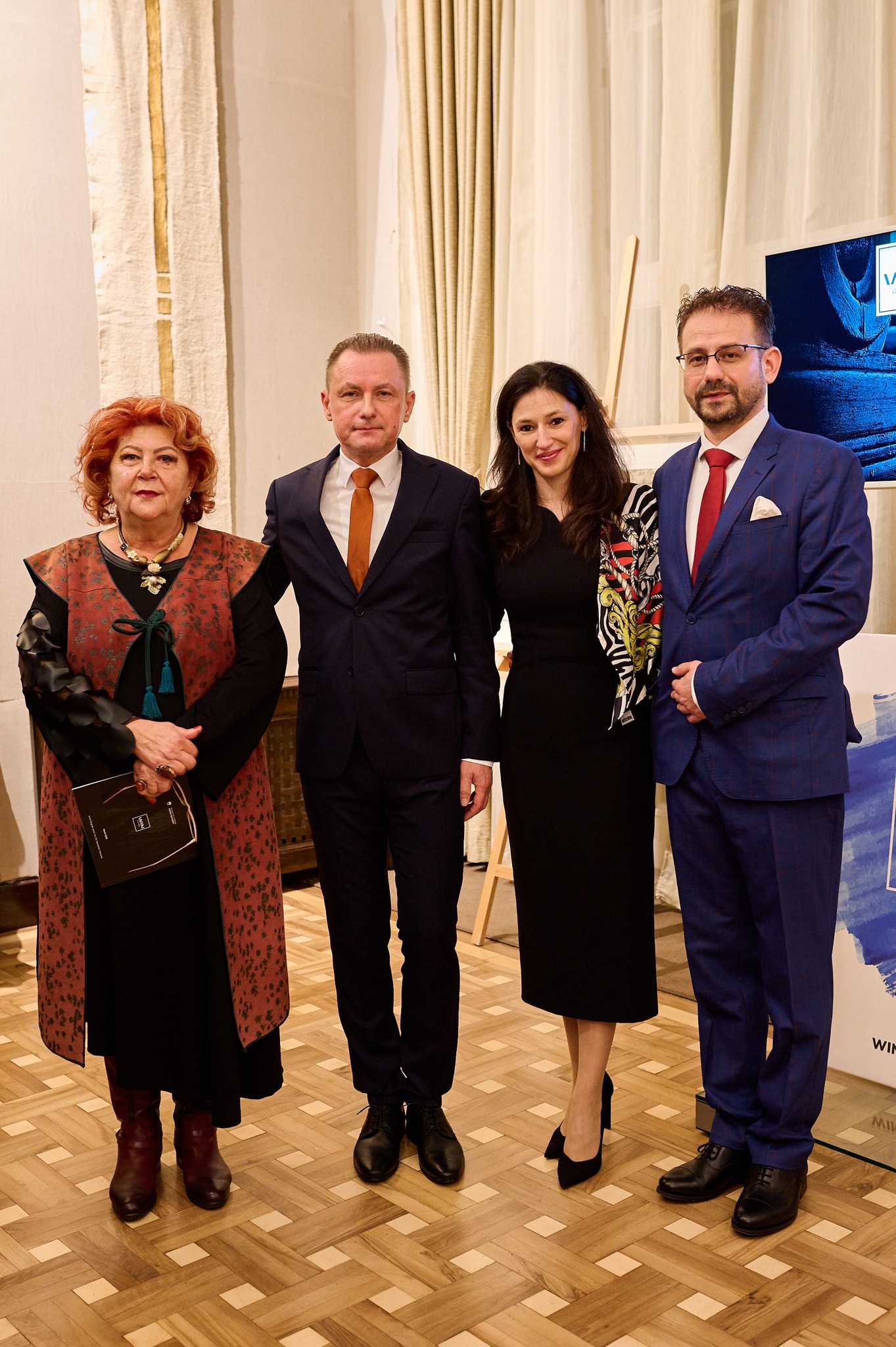
His Excellency Robert Kokalj, Slovenian Ambassador to Bucharest, alongside Marinela Măntescu-Isac, curator of the ”Blooming Mystery” exhibition; Irina Stoenescu, president of WIN Gallery, and Cătălin Guriță, CEO of WIN Alliance.
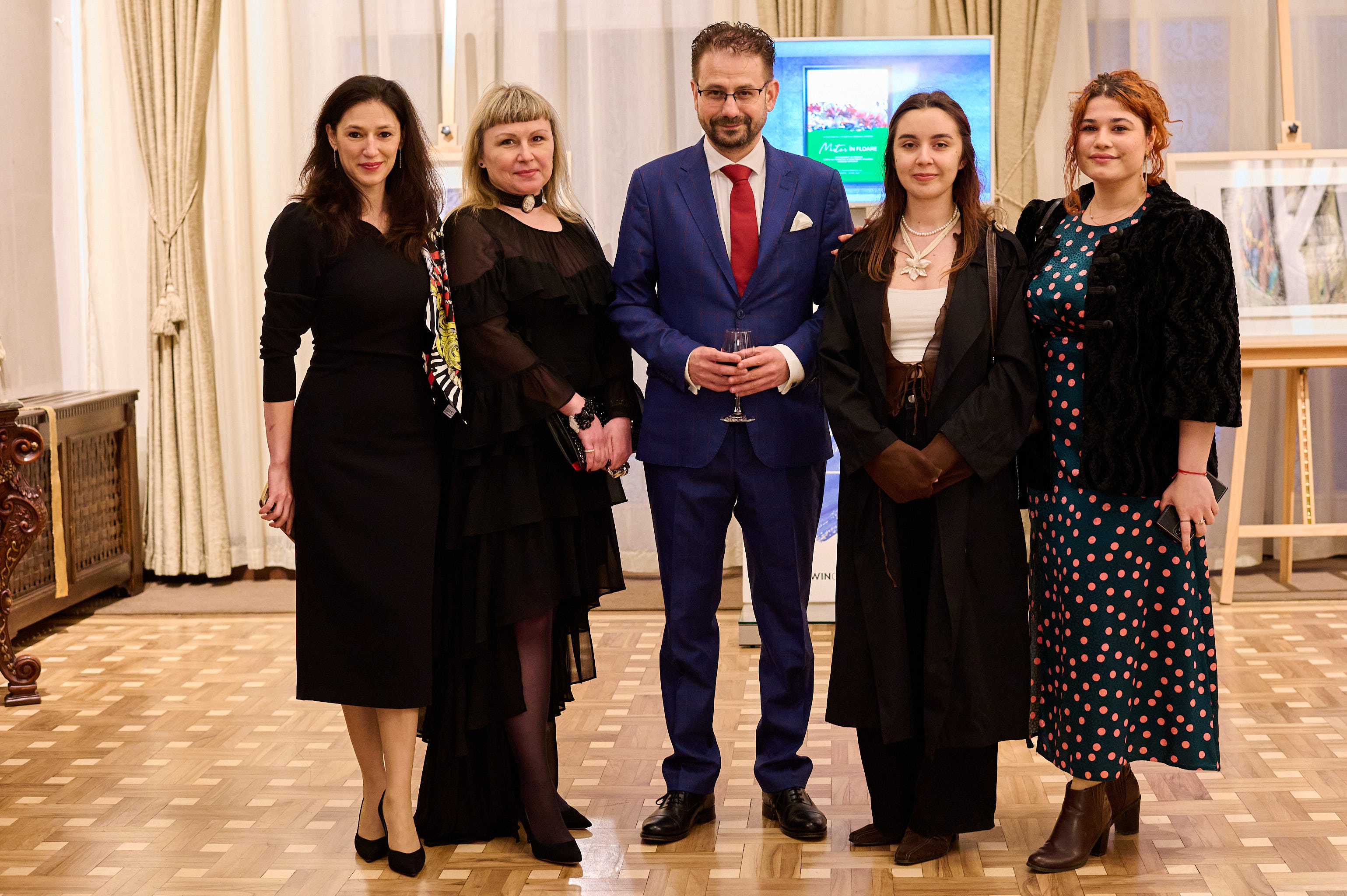
Irina Stoenescu, president of WIN Gallery, alongside Cătălin Guriță, CEO of WIN Alliance, and guests at the opening of the ”Blooming Mystery” exhibition.
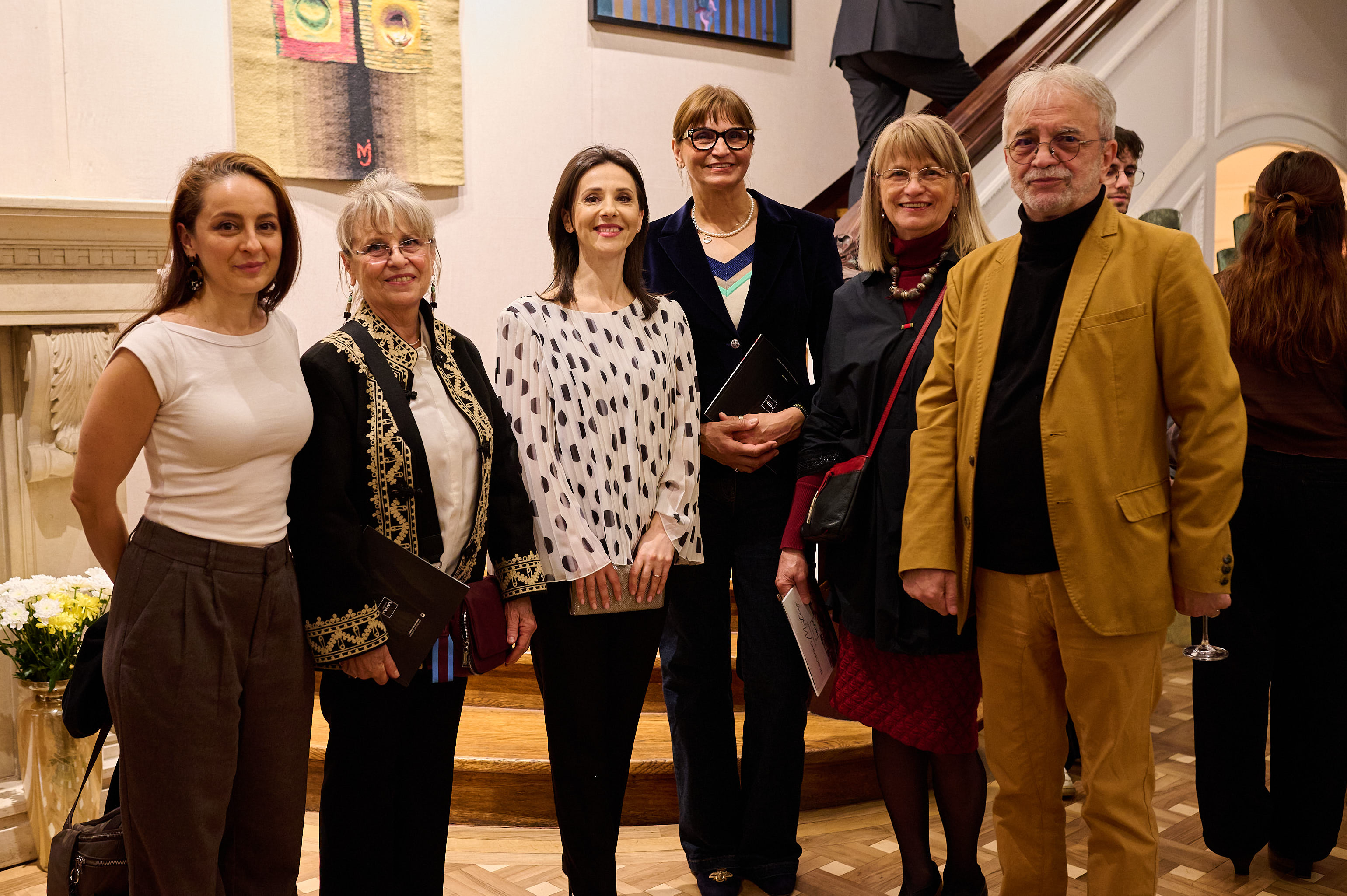
Artists Relu and Marijana Bițulescu together with guests and artists at the opening of the ”Blooming Mystery” exhibition.
The opening of the exhibition Fruit of Knowledge took place on June 5 at WIN Gallery, bringing together works by artists Marijana and Relu Bițulescu. Coming from different artistic fields, textile art and monumental art, the two artists are complementary and captivating through their techniques, materials, and inventive, varied uses of space. The exhibition reinterprets the biblical myth of the forbidden fruit, while the archetypes represented by Adam and Eve are approached from a contemporary perspective.
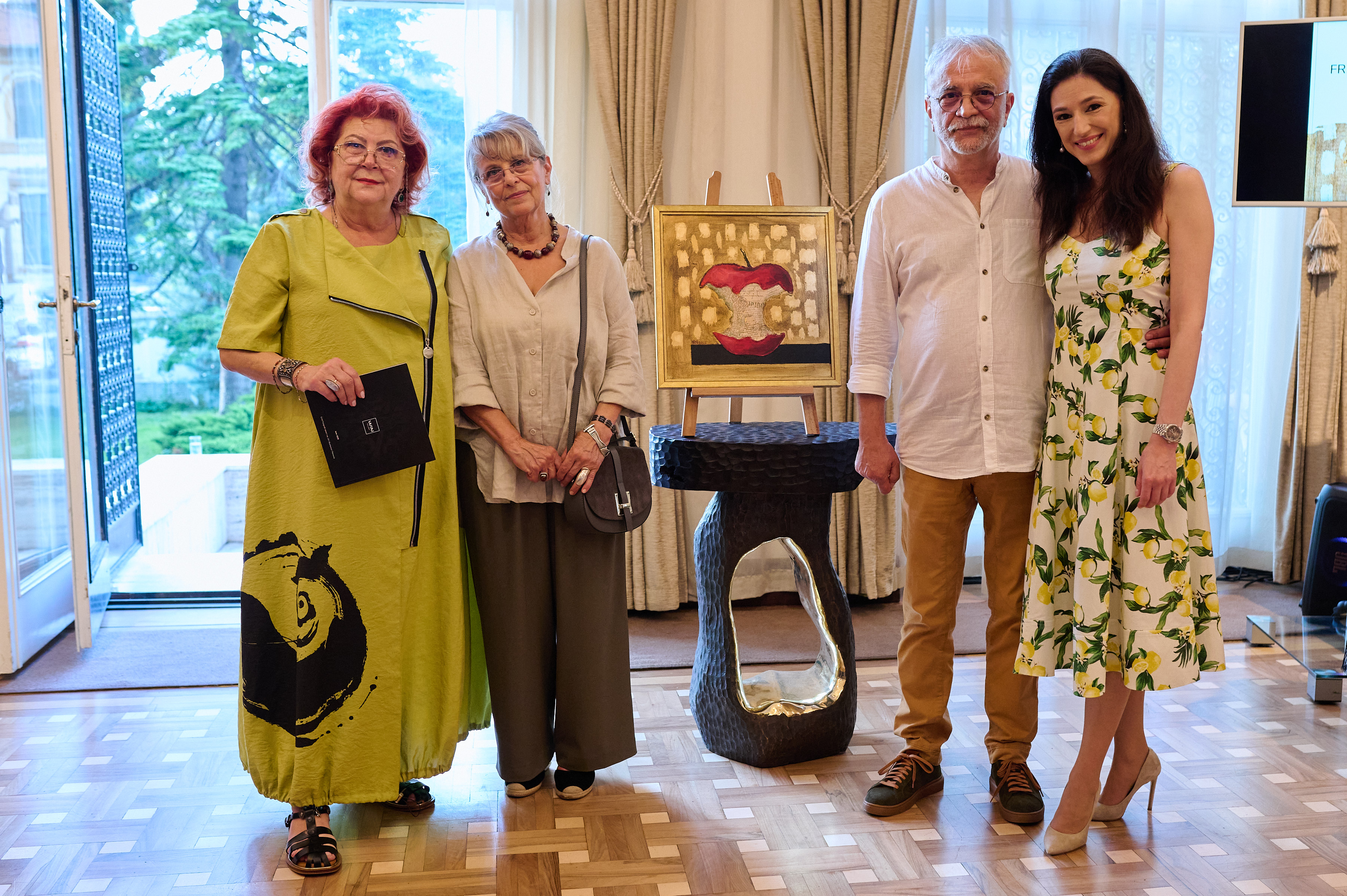
Artists Relu and Marijana Bițulescu together with Irina Stoenescu and Marinela Măntescu-Isac at the opening of the ”Fruit of Knowledge” exhibition.
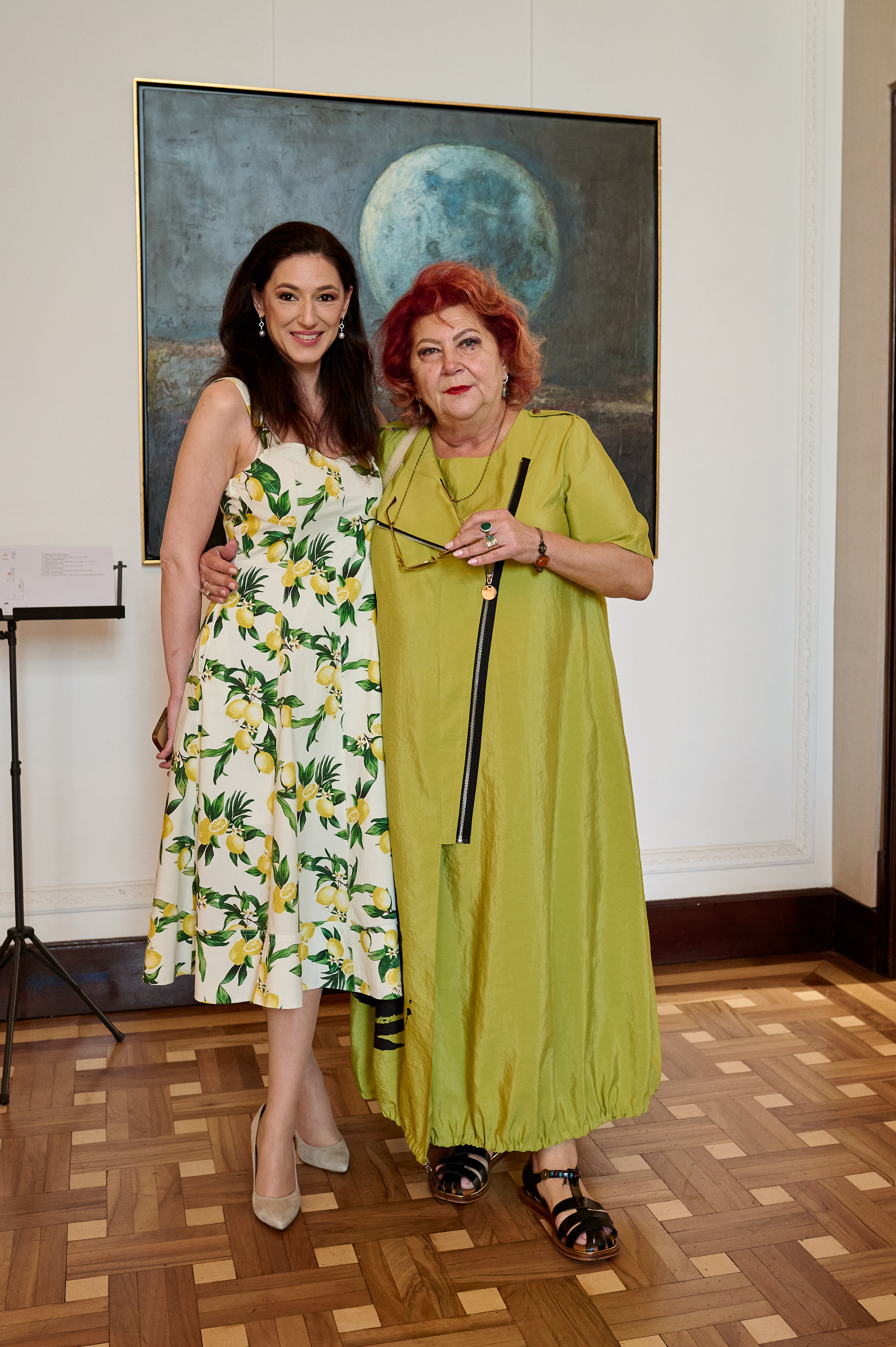
Irina Stoenescu, president of WIN Gallery, alongside Marinela Măntescu-Isac, curator of the ”Fruit of Knowledge” exhibition.
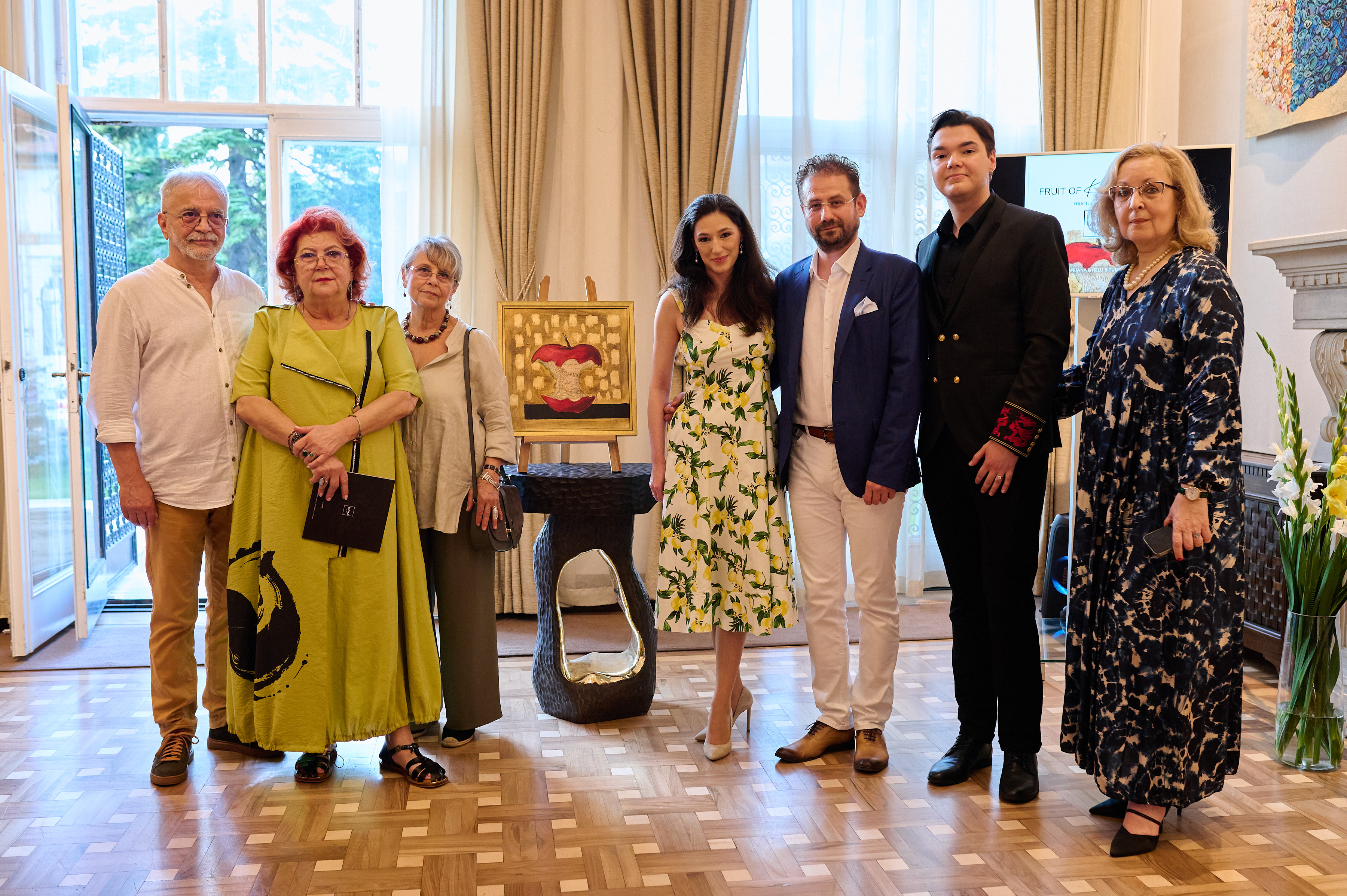
Artists Relu and Marijana Bițulescu, Marinela Măntescu Isac - the curator of the exhibition, together with members of the WIN Gallery team.
The opening of Unreal Reality, held at WIN Gallery on September 16, highlighted the works of artist Valentin Tănase and offered art lovers the opportunity to explore reflections and concerns related to symbolism, universality, and the eternity of the family. The exhibition addressed themes relevant to each of us, such as the passage of time or the effort to realign with the natural rhythms of the world. Valentin Tănase explores art as a play of perception and a pendulum between the real and the imaginary.
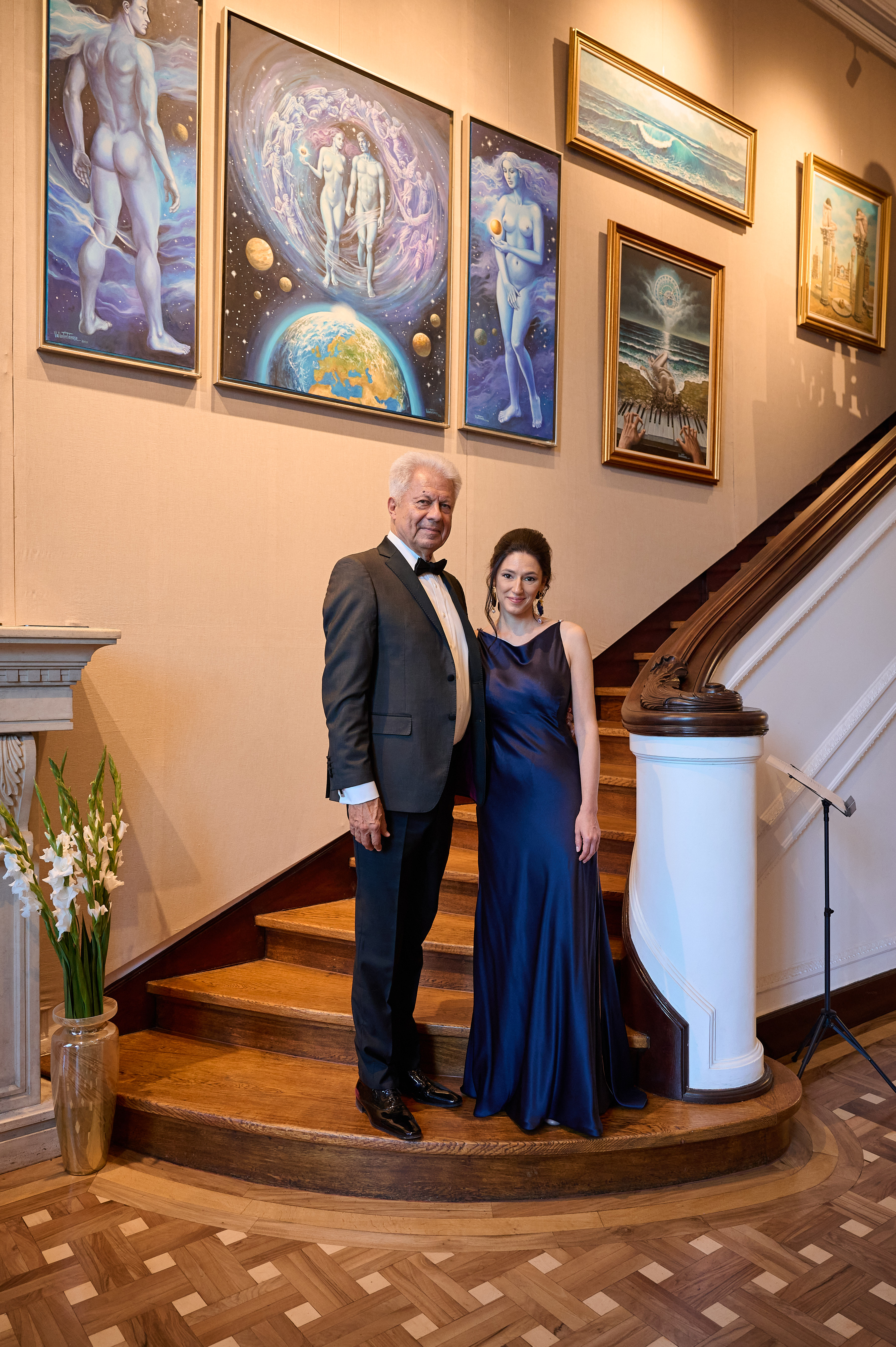
Artist Valentin Tănase with Irina Stoenescu, president of WIN Gallery, at the opening of the ”Unreal Reality” exhibition
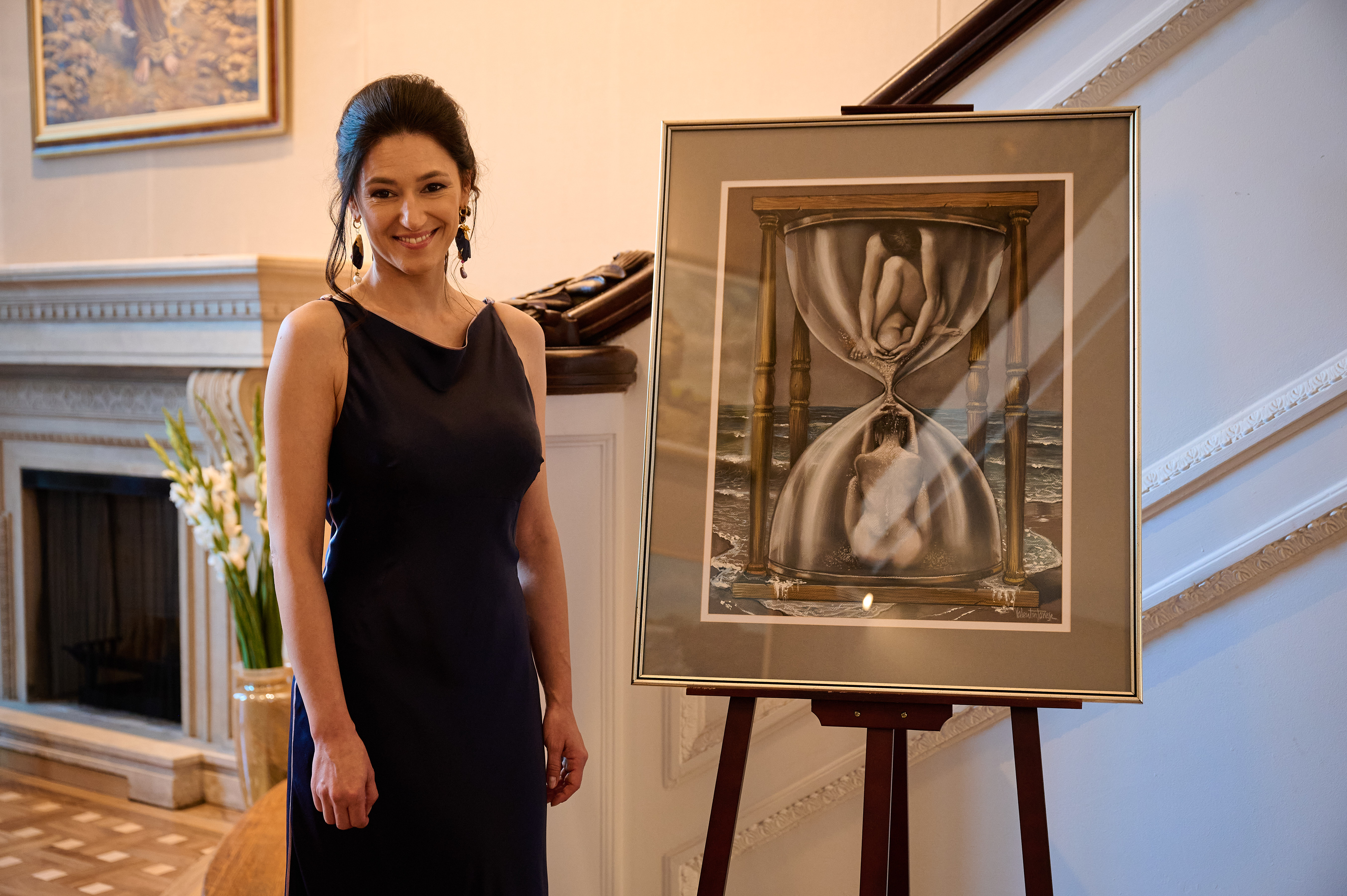
Irina Stoenescu, president of WIN Gallery, at the opening of the ”Unreal Reality” exhibition
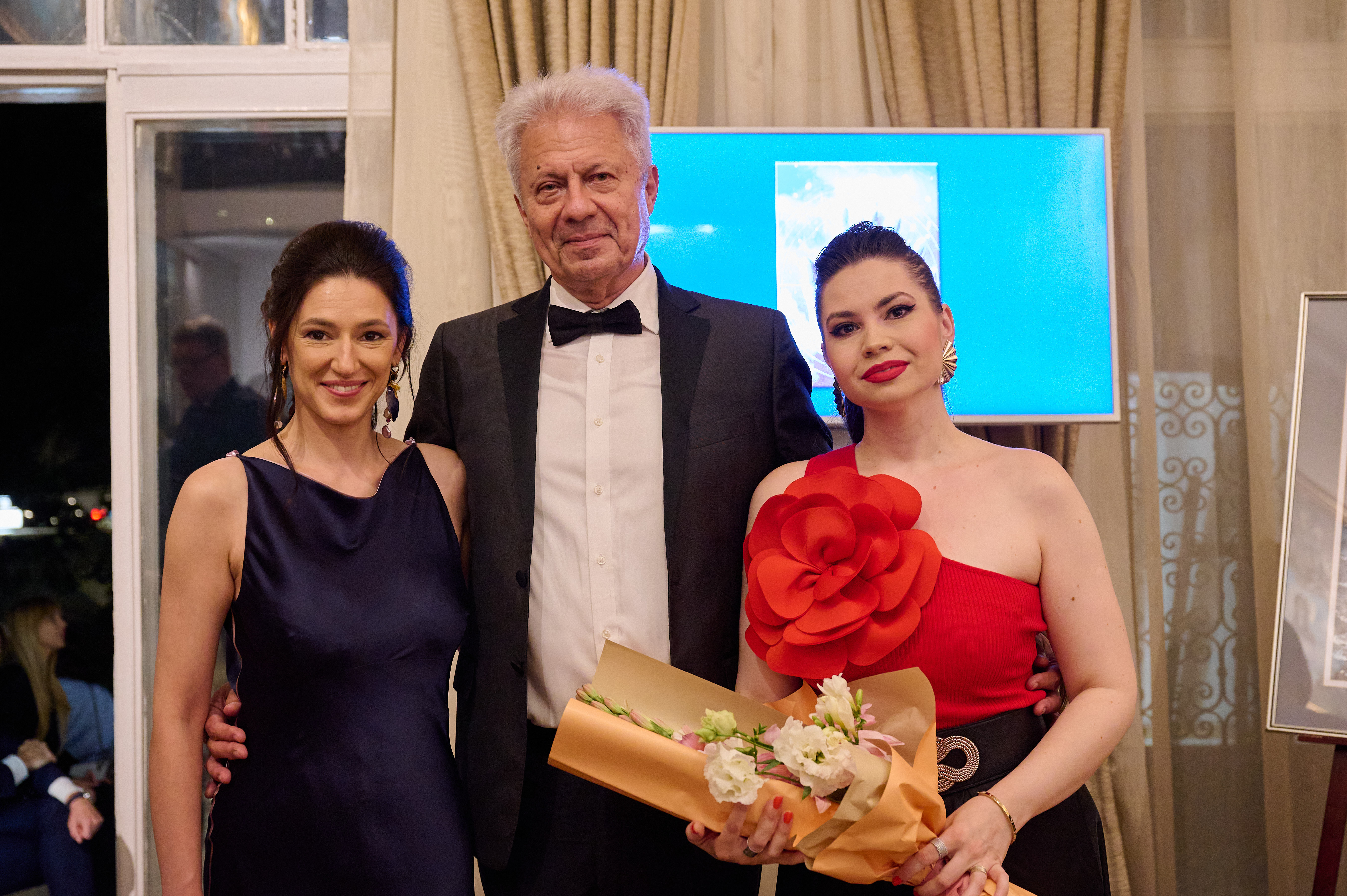
Artist Valentin Tănase with Irina Stoenescu and soprano Elina Velica at the opening of the ”Unreal Reality” exhibition
WIN Gallery had the honor of hosting the opening of Gratia Viva on November 20, bringing together an impressive collection of works signed by the Bistrița-based artist Marcel Lupșe. The works emphasize a vegetal universe rooted in Transylvanian rural life. Over more than 40 years of artistic practice, Marcel Lupșe has distilled ancestral wisdom, inspiring paintings of bundles of herbs and fragrant flowers. WIN Gallery became the bridge between artist and creation, inviting art lovers to step into a different kind of universe and discover Marcel Lupșe on descriptive, folkloric, and philosophical levels.
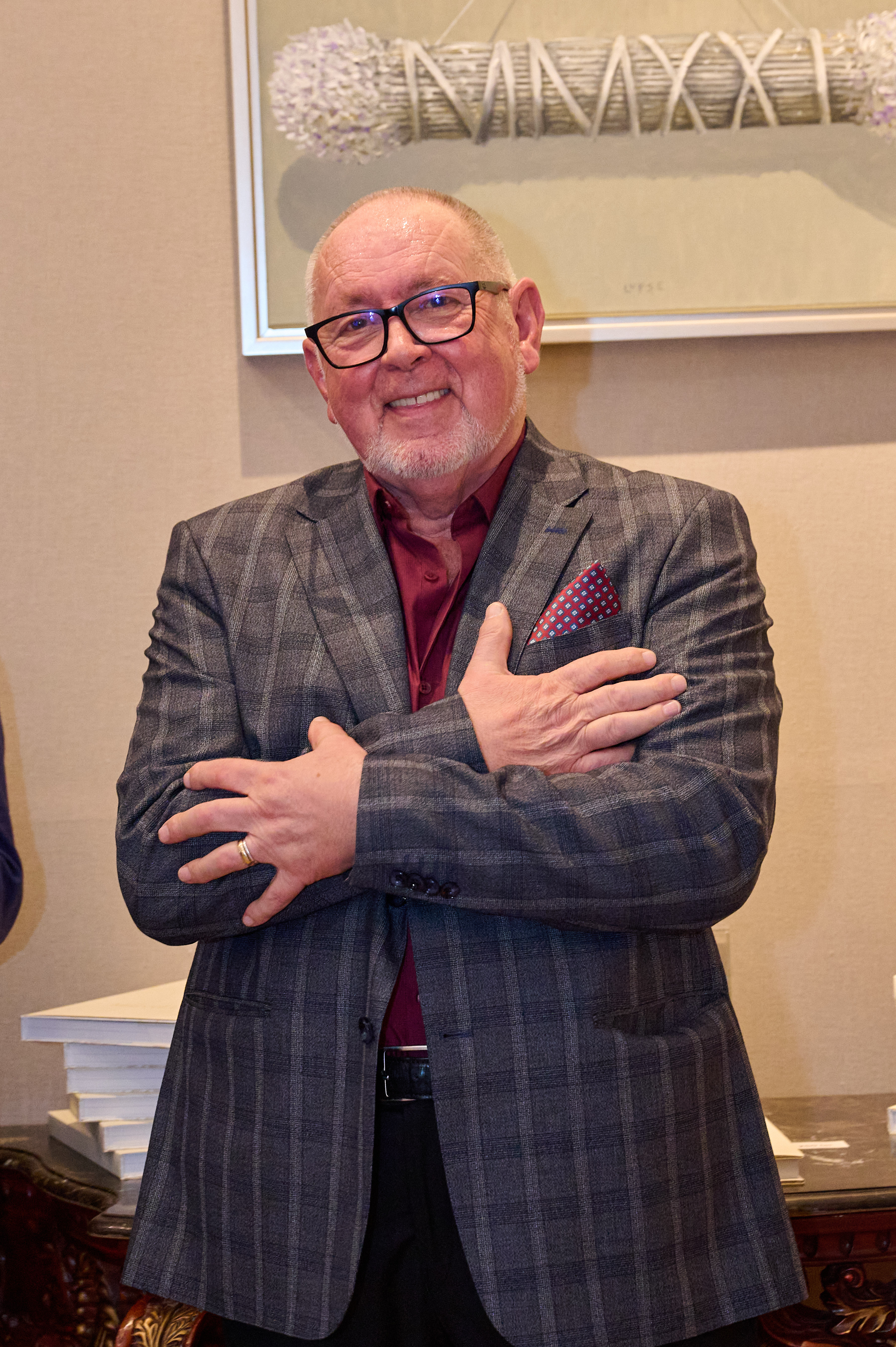
Artist Marcel Lupșe at the opening of his solo exhibition, ”Gratia Viva”.
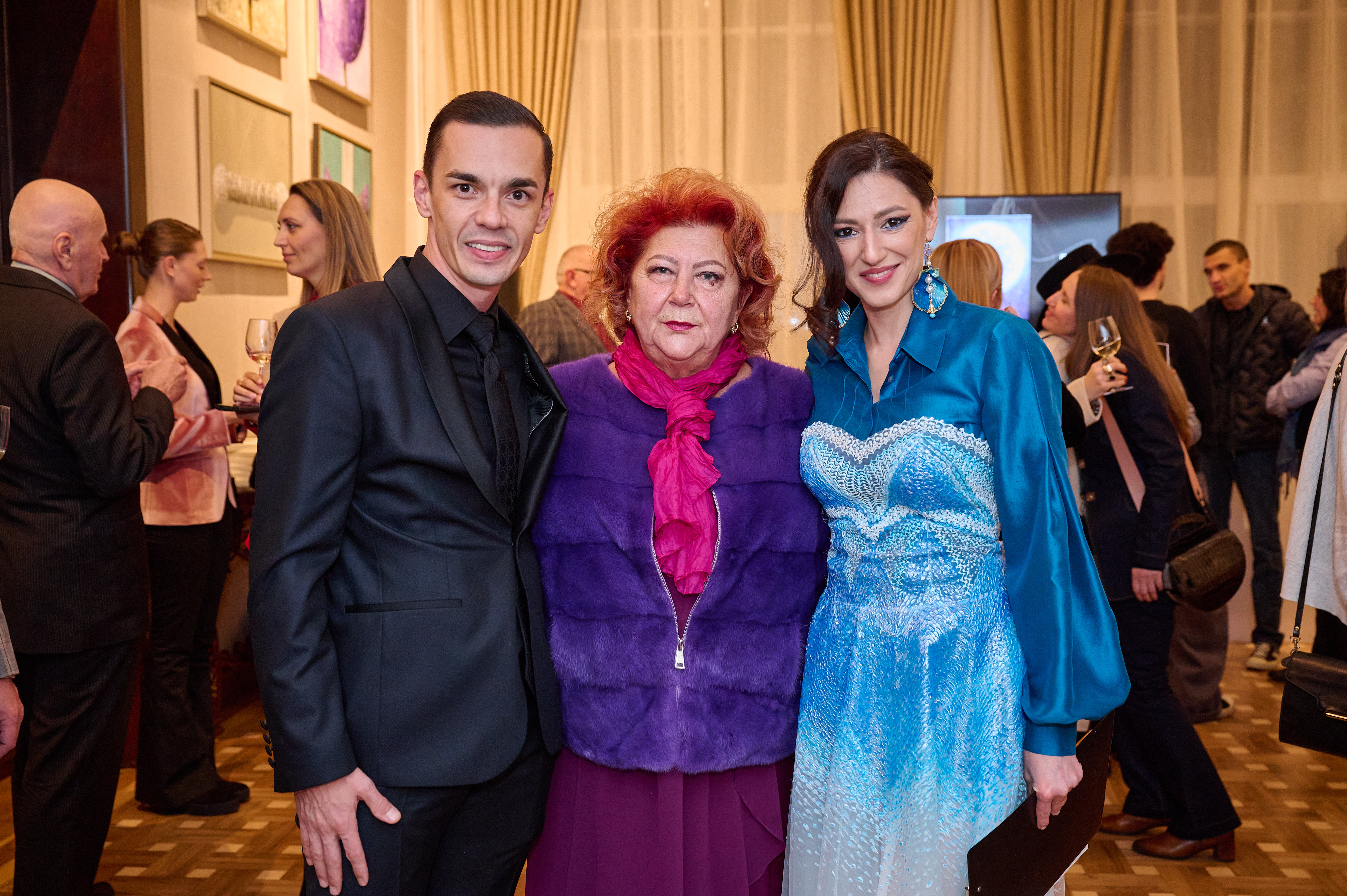
Cristi Pascu, founder WIN Alliance, Marinela Măntescu-Isac, exhibition curator, and Irina Stoenescu, president of WIN Gallery, at the opening of the ”Gratia Viva” exhibition.
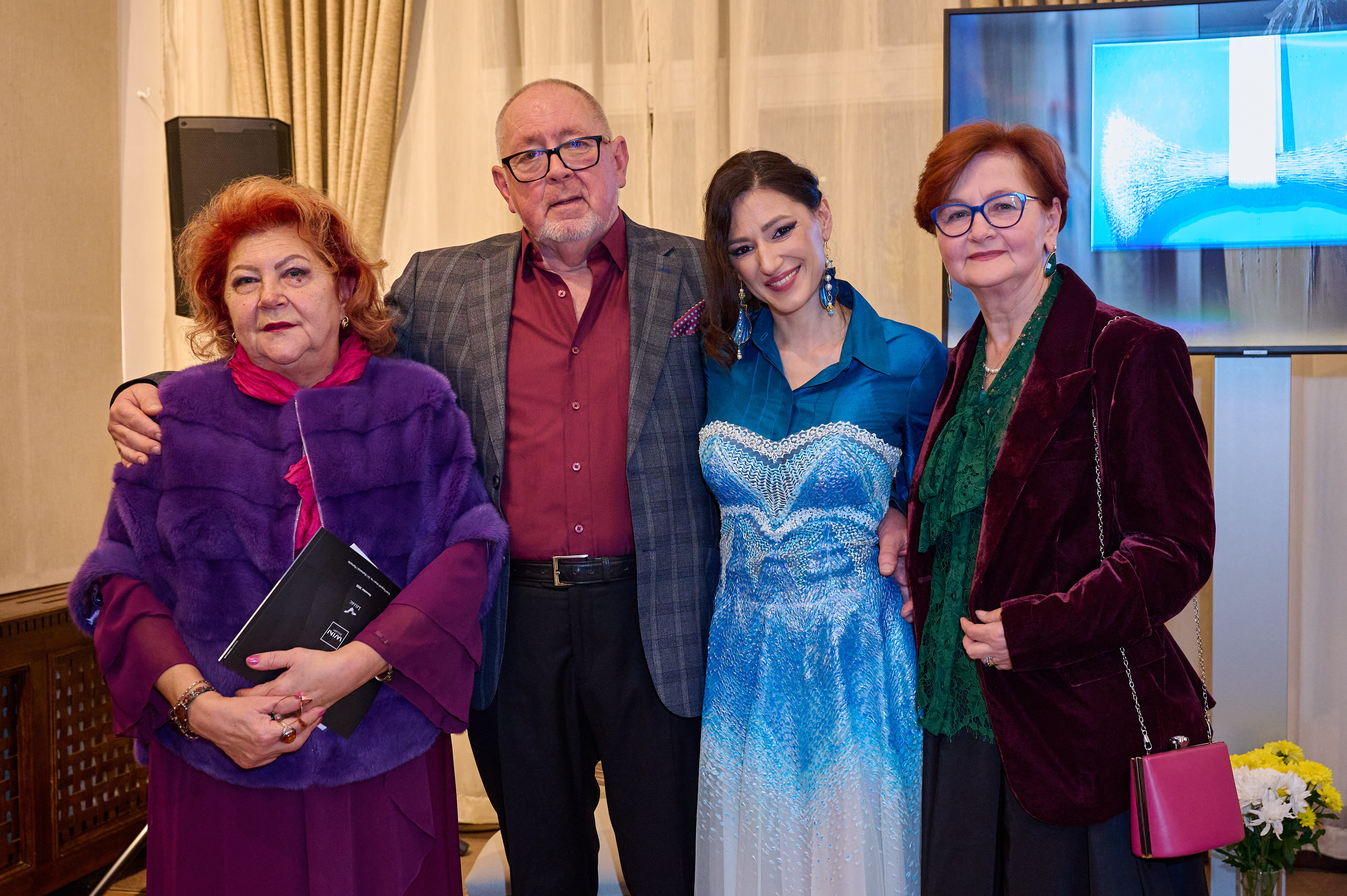
Marinela Măntescu-Isac, artist Marcel Lupșe, Irina Stoenescu, and the artist's wife at the opening of the solo exhibition ”Gratia Viva”
After each opening in 2025, WIN Gallery continued its dialogue with the WIN Herăstrău community through selections of works from recent exhibitions, presented as pop-ups arranged in the central square of the residential complex.
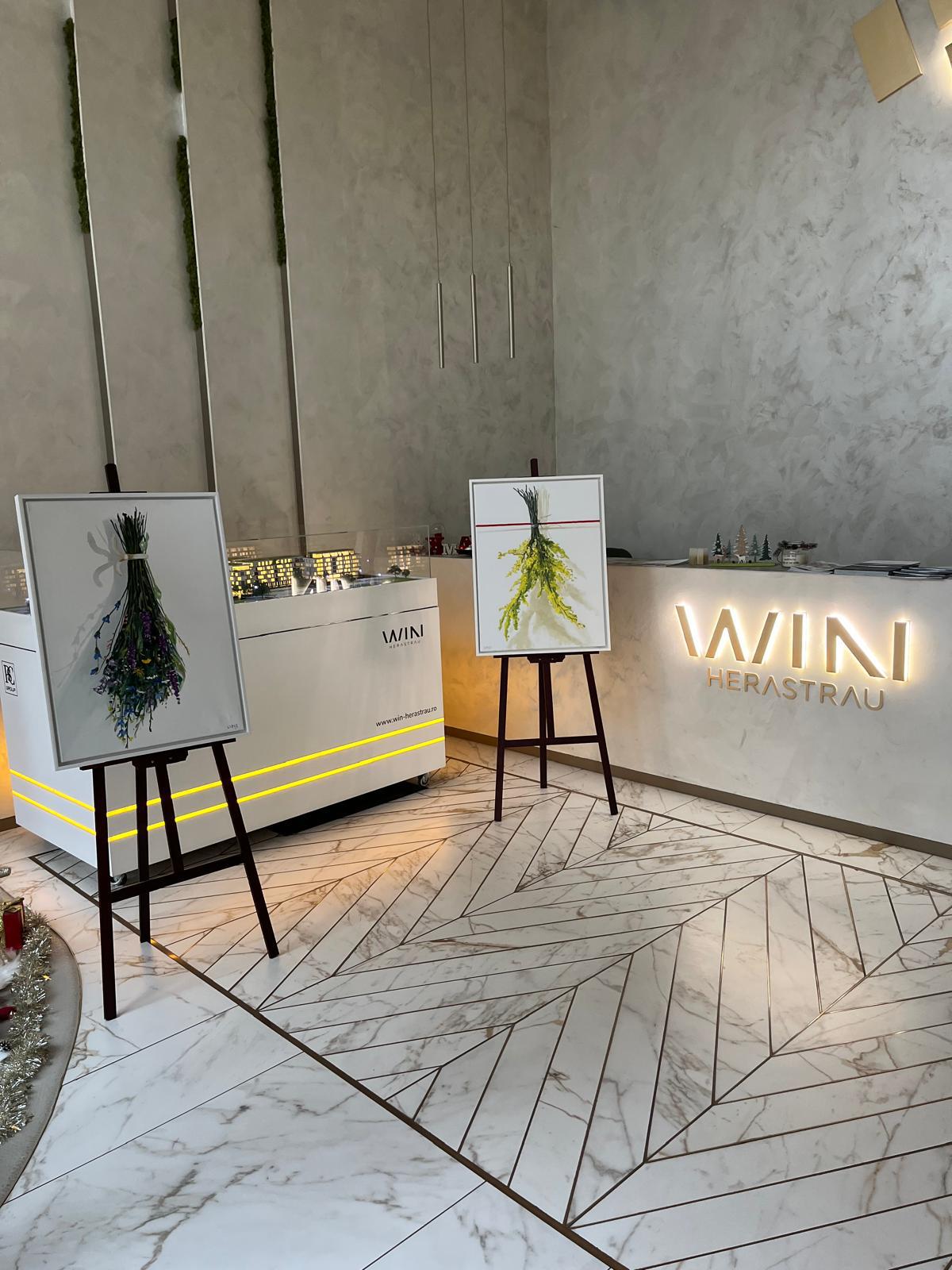
Pop-up at WIN Herăstrău with works from the Gratia Viva collection by Marcel Lupșe.
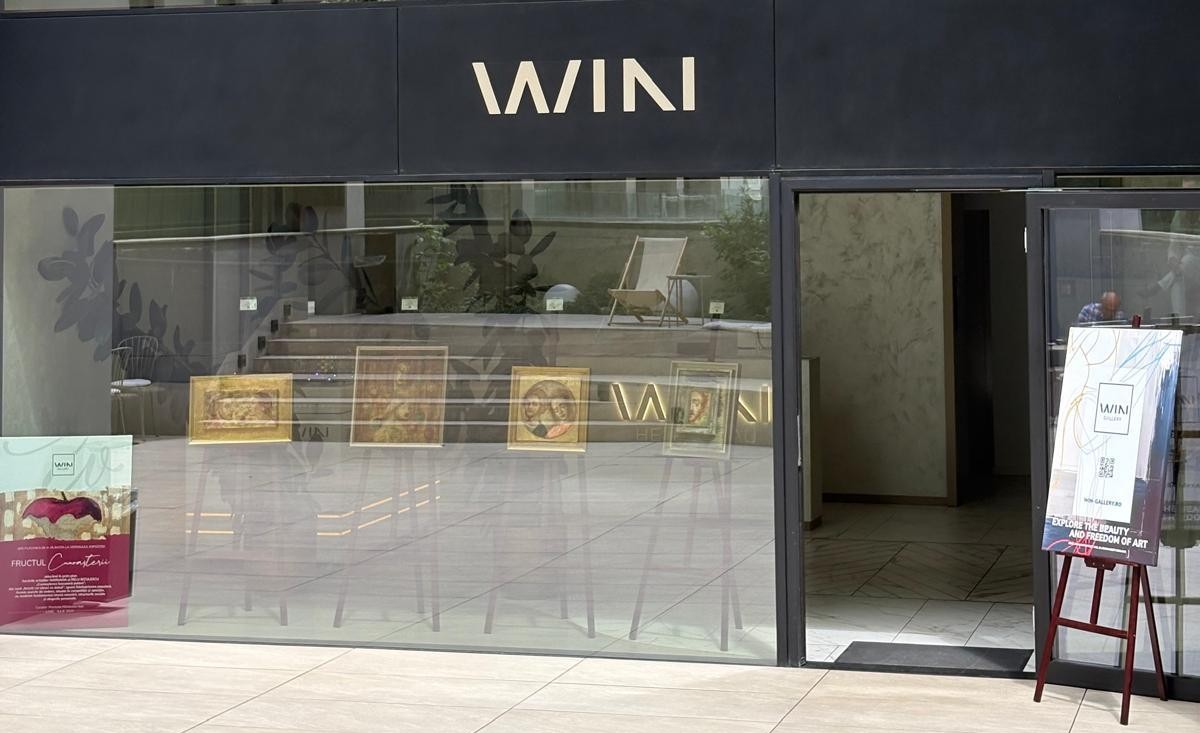
Pop-up at WIN Herăstrău with works from the FRUIT OF KNOWLEDGE collection by Marijana and Relu Bițulescu.
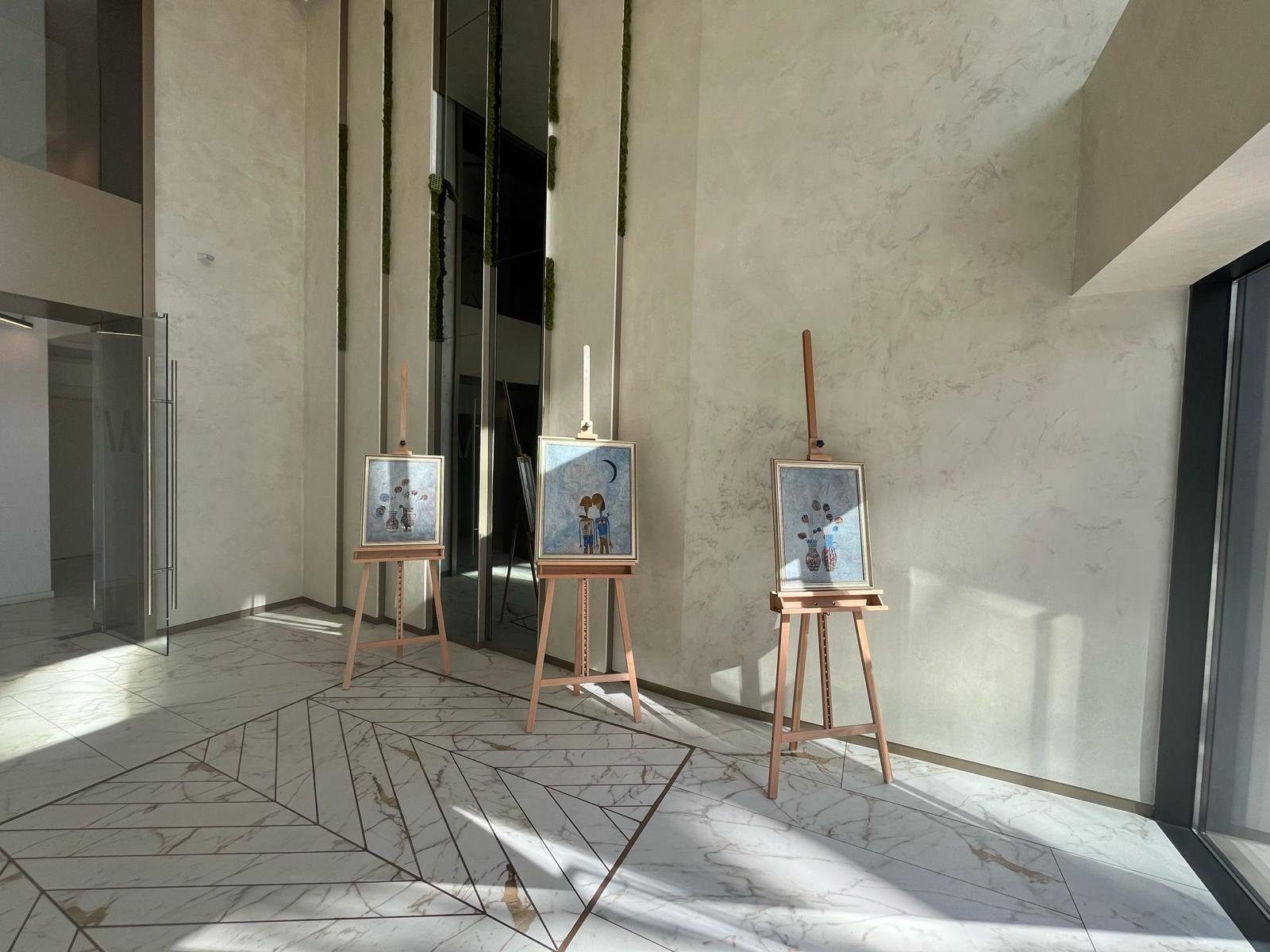
Pop-up at WIN Herăstrău featuring works by Sorin Otînjac, on the occasion of International Women’s Day.
WIN Gallery functions as a space for dialogue between art and other disciplines, cultivating a professionally diverse community and facilitating closer ties with the business environment. Together, we can address contemporary realities and respond to challenges by identifying viable solutions that are faster and better adapted to the context.
The gallery space opened its doors to literature enthusiasts for the launch of two author volumes. In February, the in memoriam volume My Generation, the Discreet Generation, dedicated to George Stanca, was warmly received by his friends and close collaborators. In May, artist and writer Constantin Severin presented Beyond Words and Forms, a key publication for understanding the concept of archetypal expressionism he proposes.
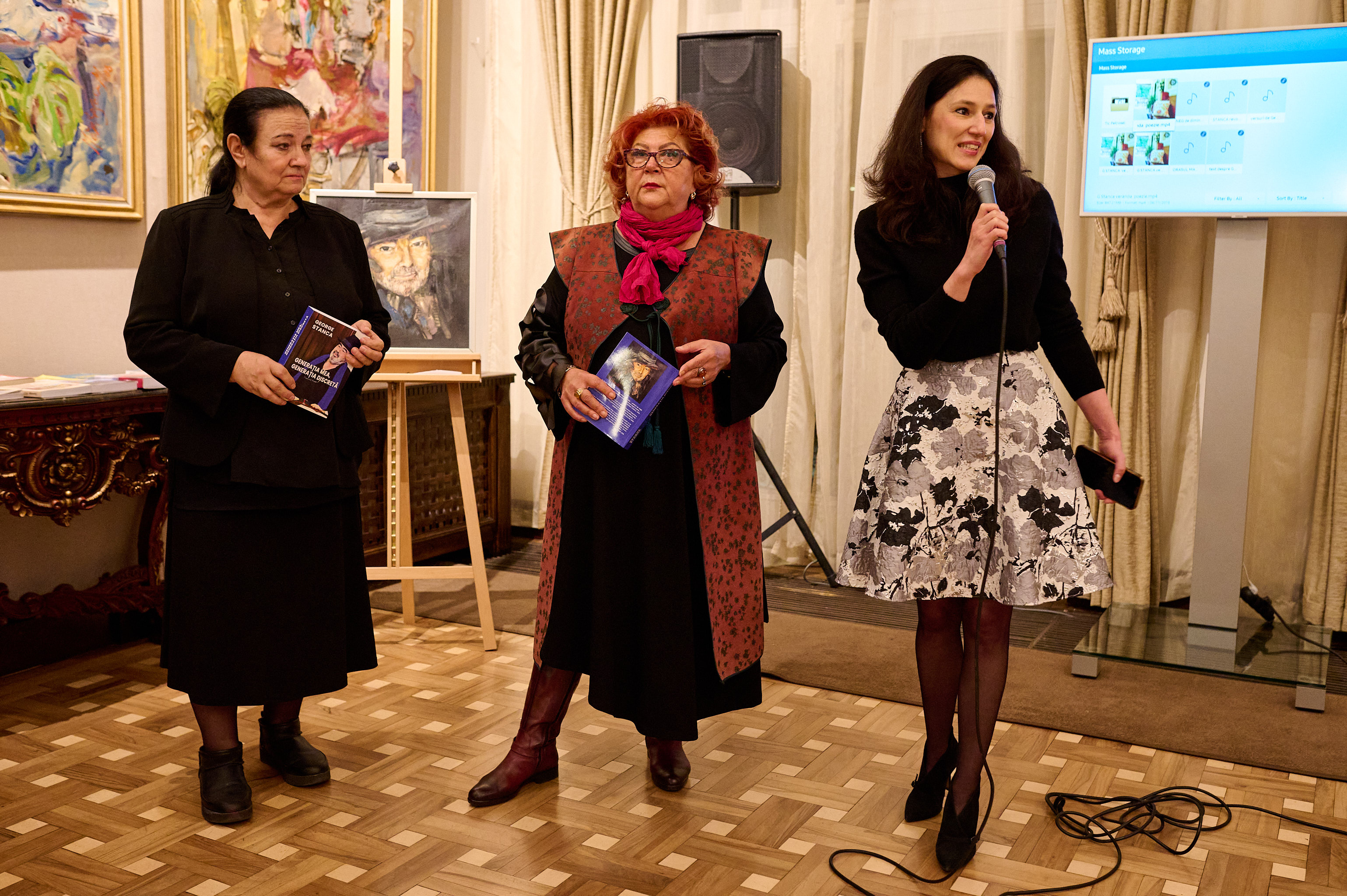
Book launch My Generation, the Discreet Generation. From left to right: Lena Stanca, wife of writer George Stanca; Marinela Măntescu-Isac, curator of WIN Gallery; Irina Stoenescu, President of WIN Gallery.
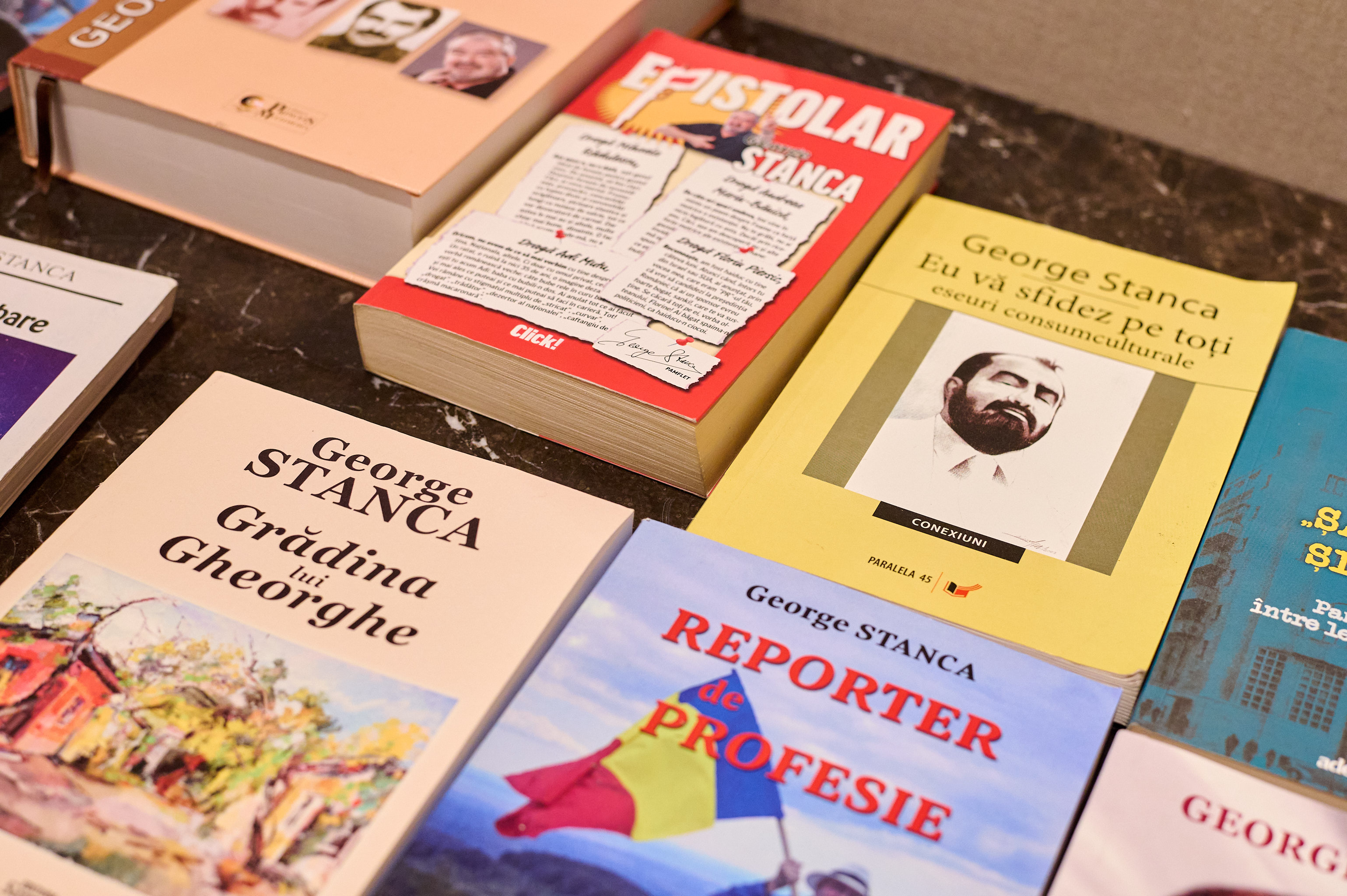
Books written by George Stanca.
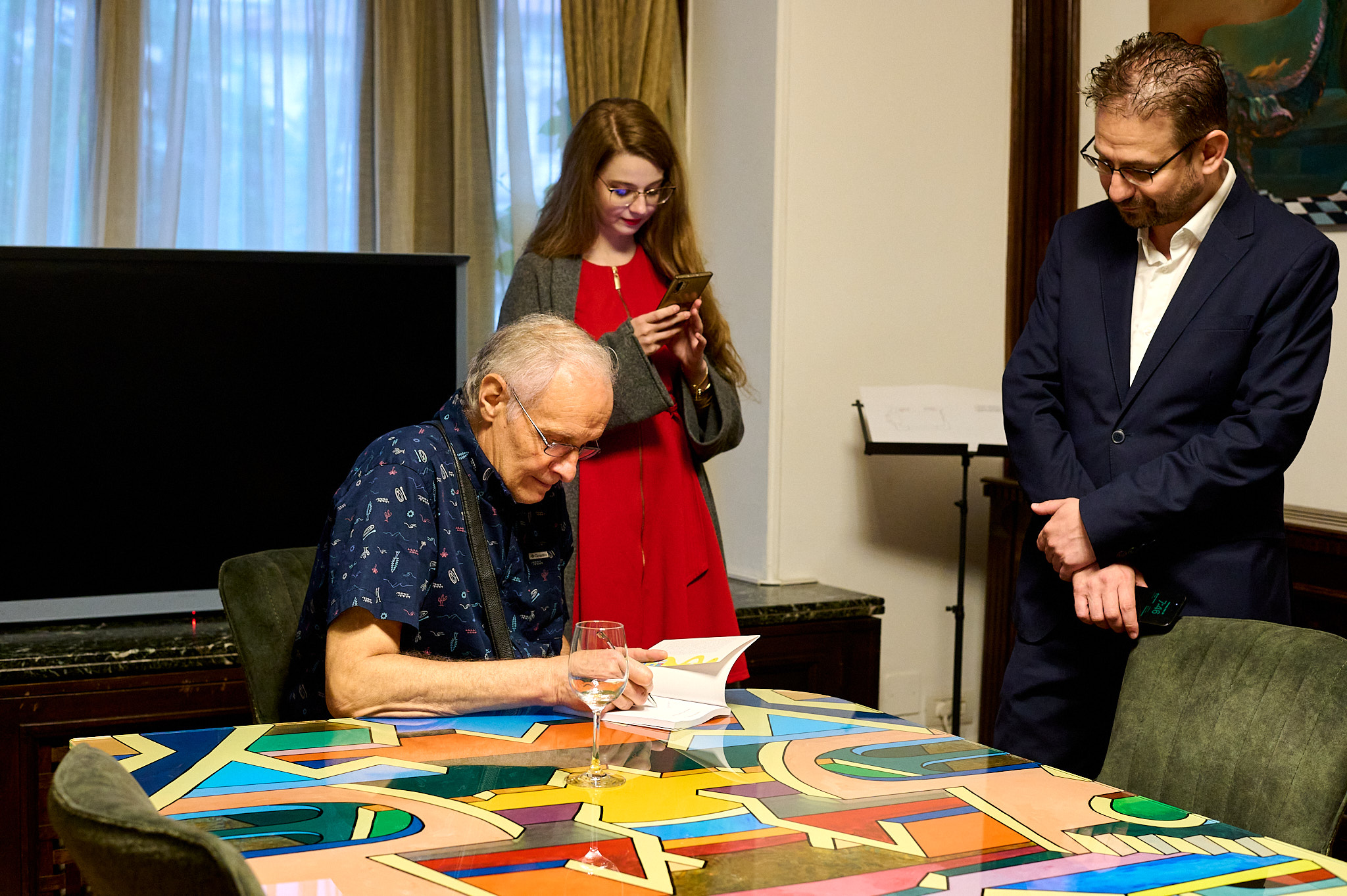
Book launch Beyond Words and Forms. From left to right: Constantin Severin, artist and author; Andreea-Eliza Petrov, artist and art critic; Cătălin Guriță-Manola, CEO of WIN Alliance.
WIN Gallery supports young talents by offering them spaces for exhibition and dialogue with established artists, mentors, and a diverse audience. The Blooming Inspiration event, organized in collaboration with the Royal Margareta of Romania Foundation, brought emerging artists from the Young Talents program into the spotlight. They had the opportunity to present both paintings and fashion creations within the WIN Gallery space.
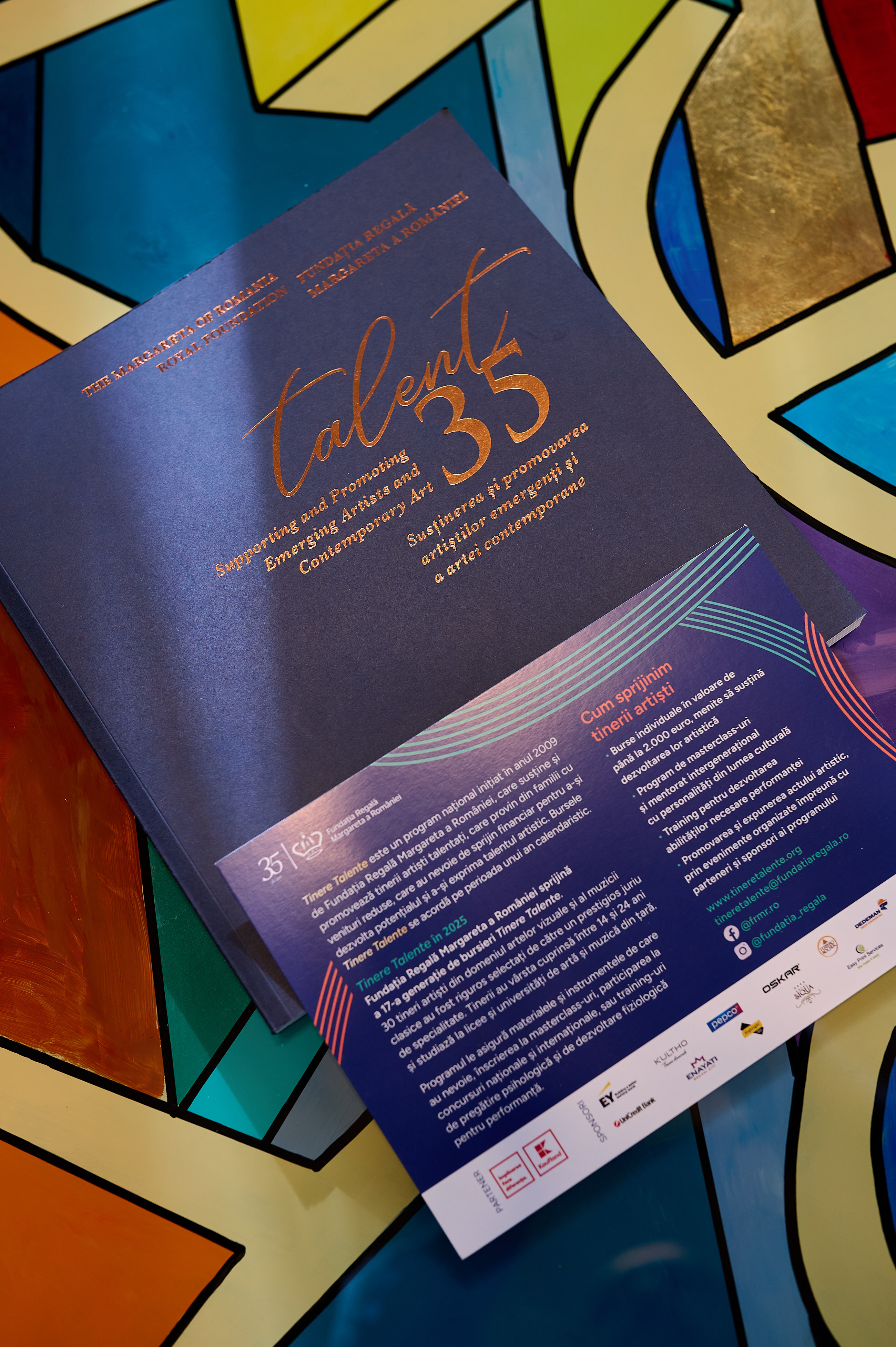
The Royal Margareta of Romania Foundation art catalogue.
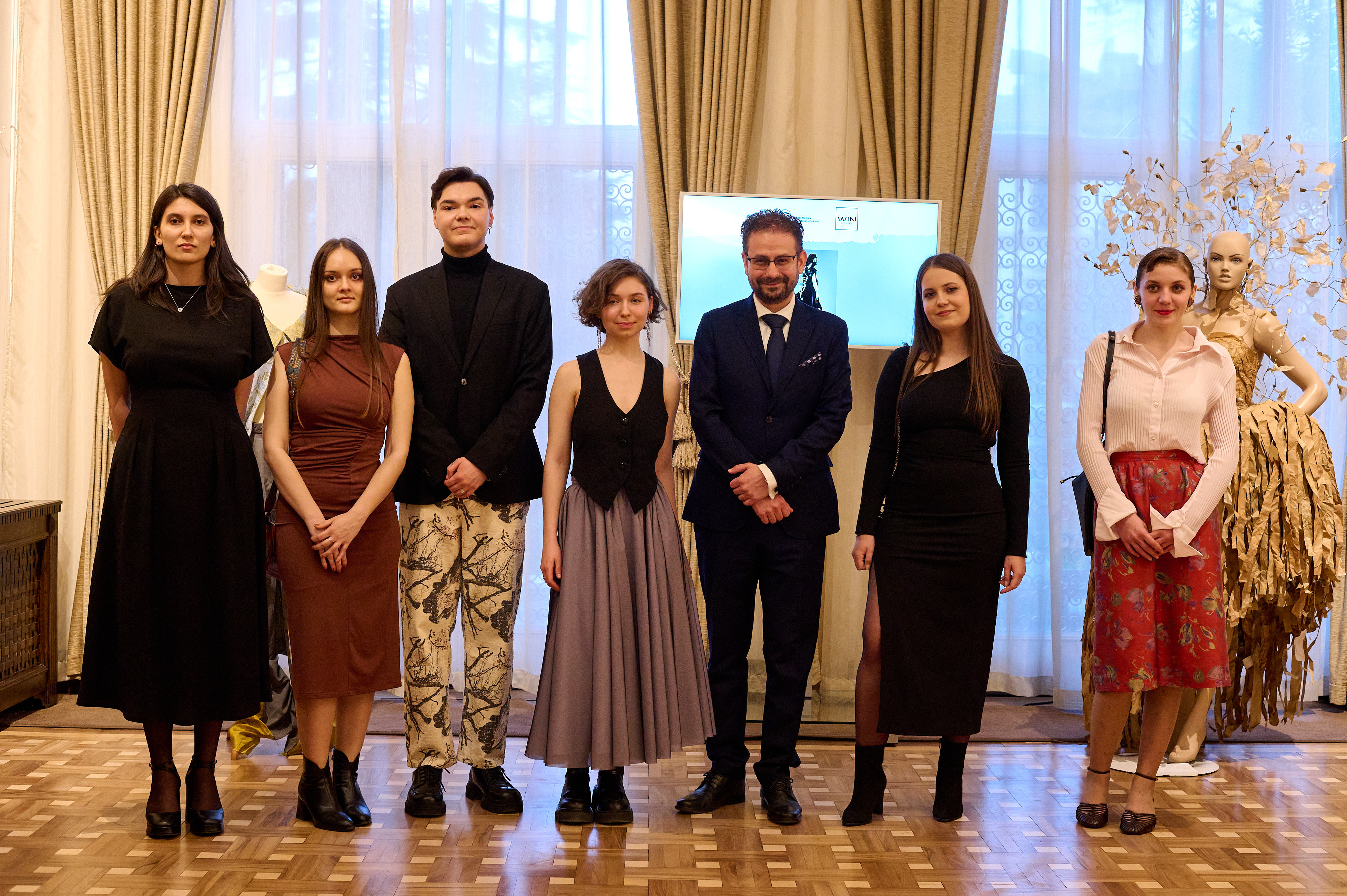
Some of the foundation’s artists, together with Andrei Fășie, Gallery Assistant, and Cătălin Guriță, CEO of WIN Alliance.
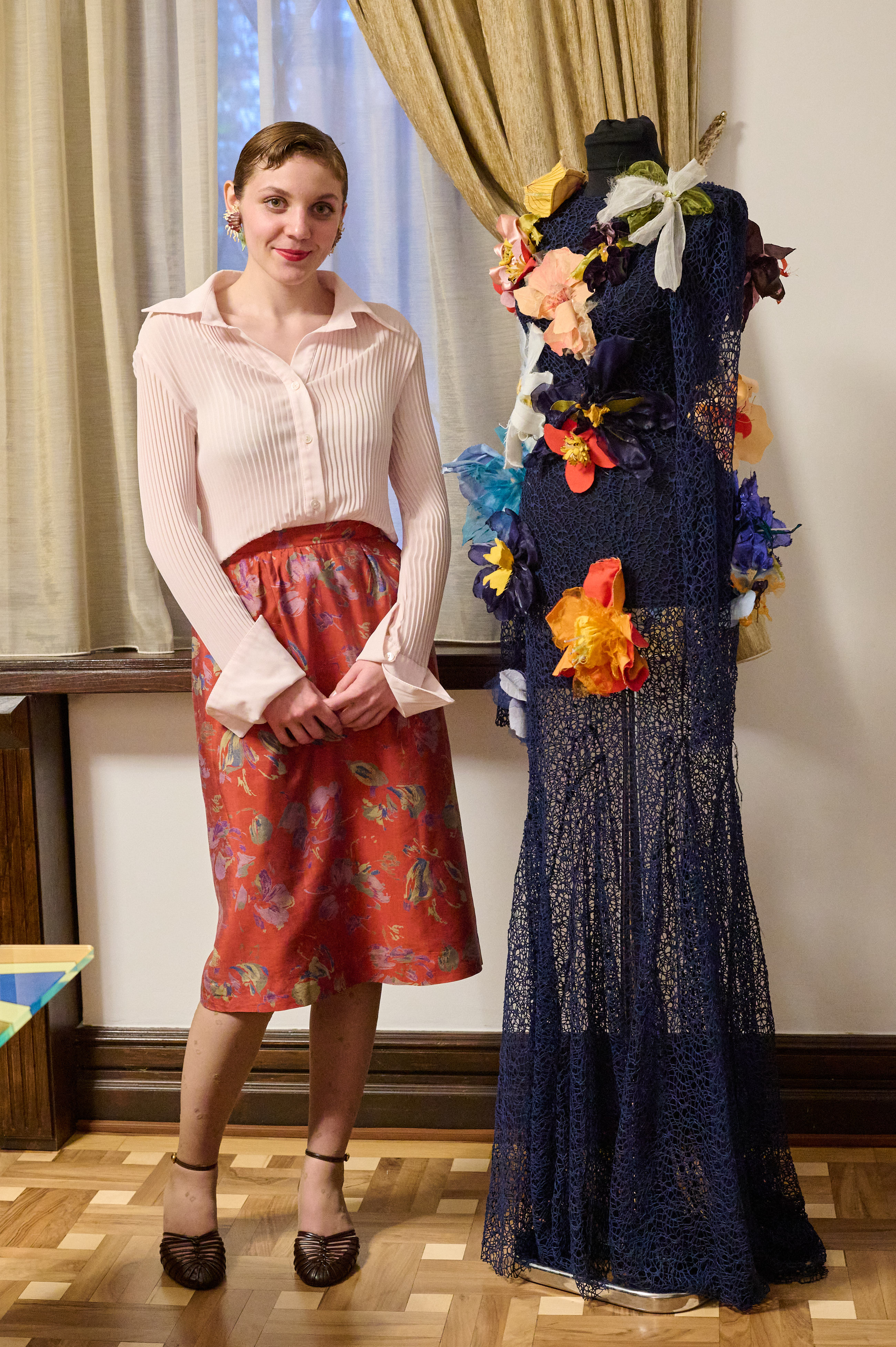
Artist Alexandra Șehovțova alongside her fashion creation.
During the inaugural reception of Instituto Cugat Romania, WIN Gallery presented an exhibition aligned with the objectives and values of the new clinic in Bucharest. This partnership highlights the importance of a healthy mind in a healthy body and reflects the principle of harmony pursued by WIN Alliance across all its divisions.
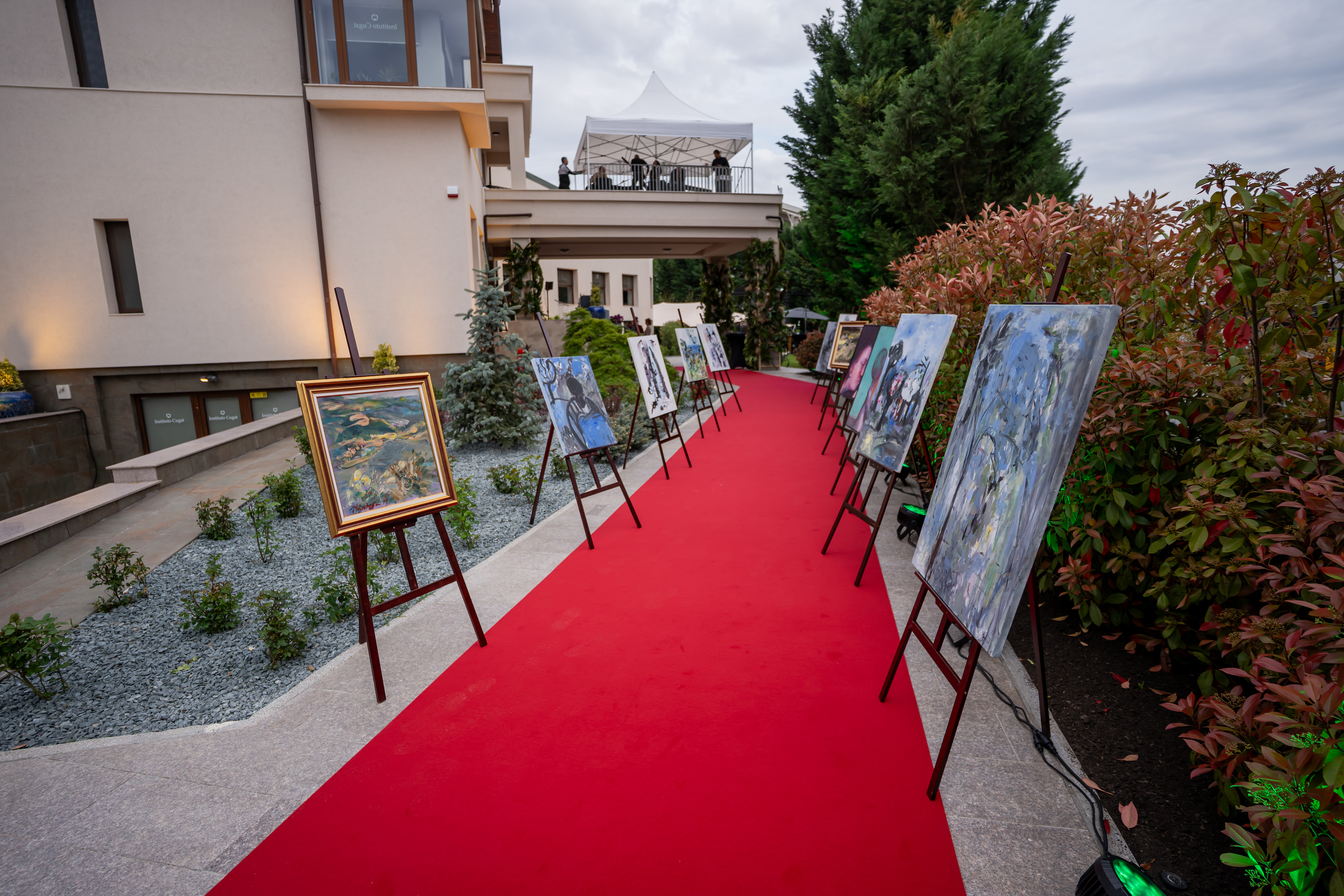
Works prepared for the opening of Instituto Cugat
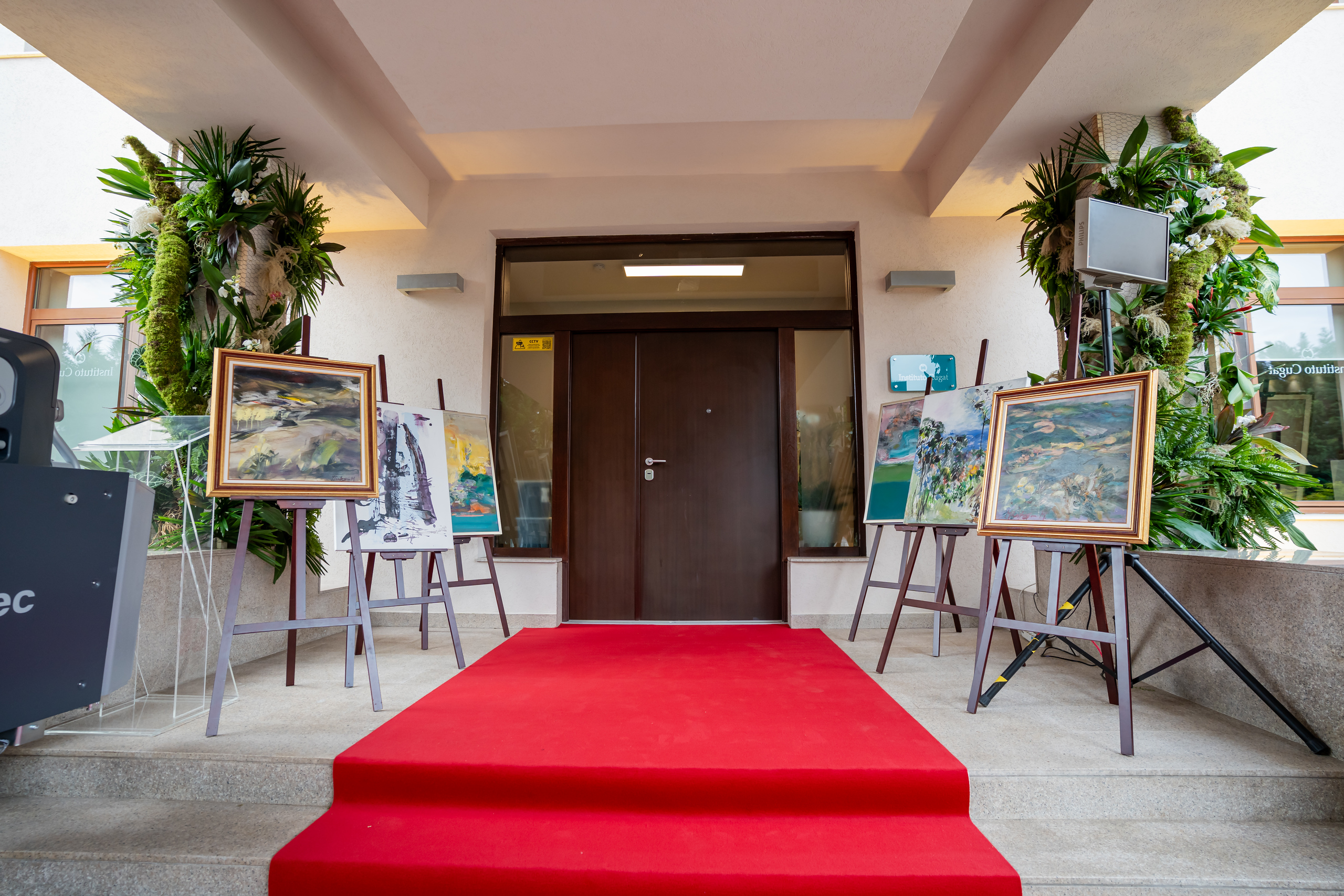
Works prepared for the opening of Instituto Cugat.
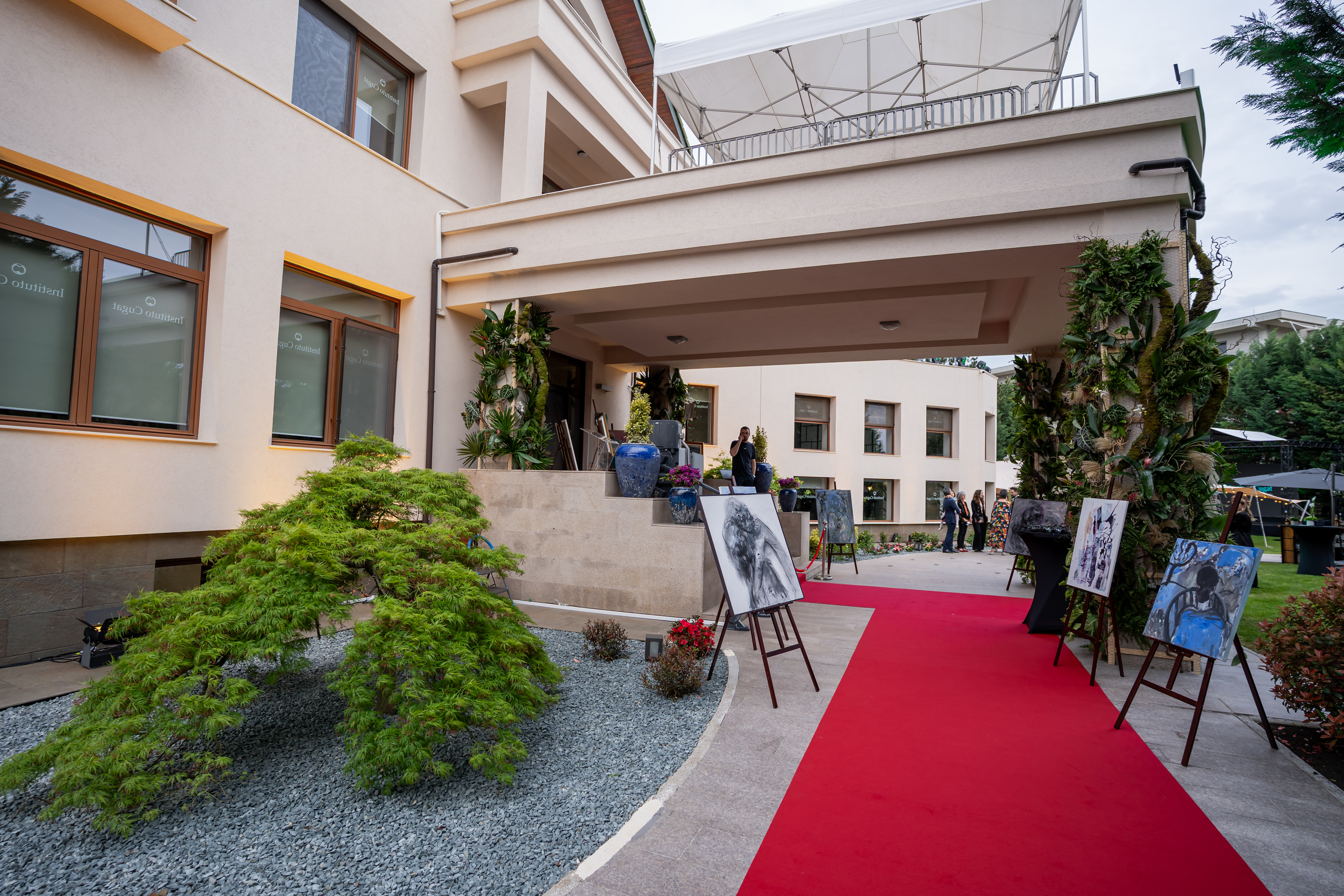
Works prepared for the opening of Instituto Cugat.
The third day of this year’s RBL (Romanian Business Leaders) Summit concluded with a dinner and a networking session held at WIN Gallery. The discussions, inspired by the artworks on display, once again highlighted the role of culture in shaping competent and empathetic leaders.
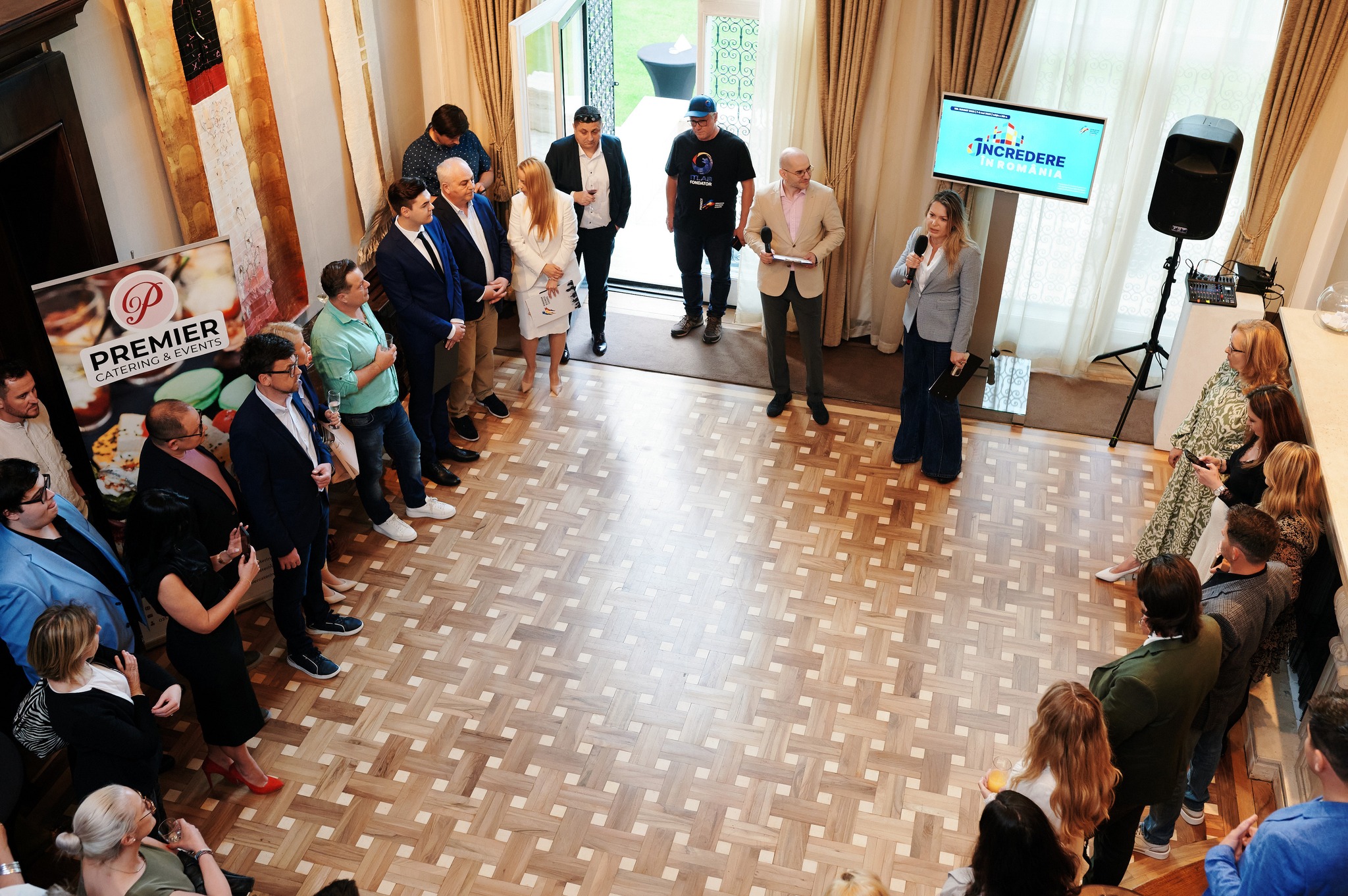
Overall view of the participants at the Romanian Business Leaders event.
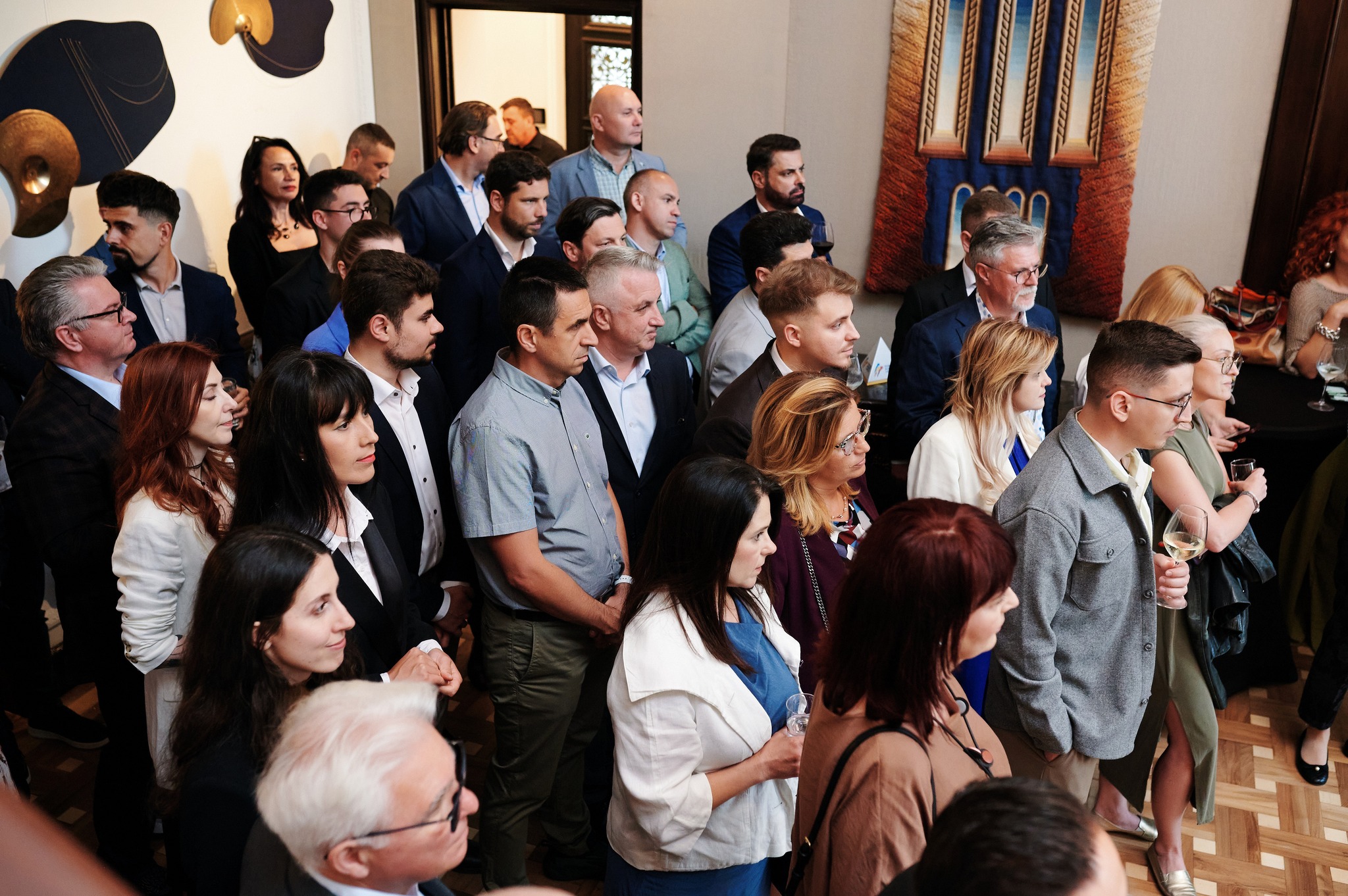
Some of the participants at the Romanian Business Leaders event.
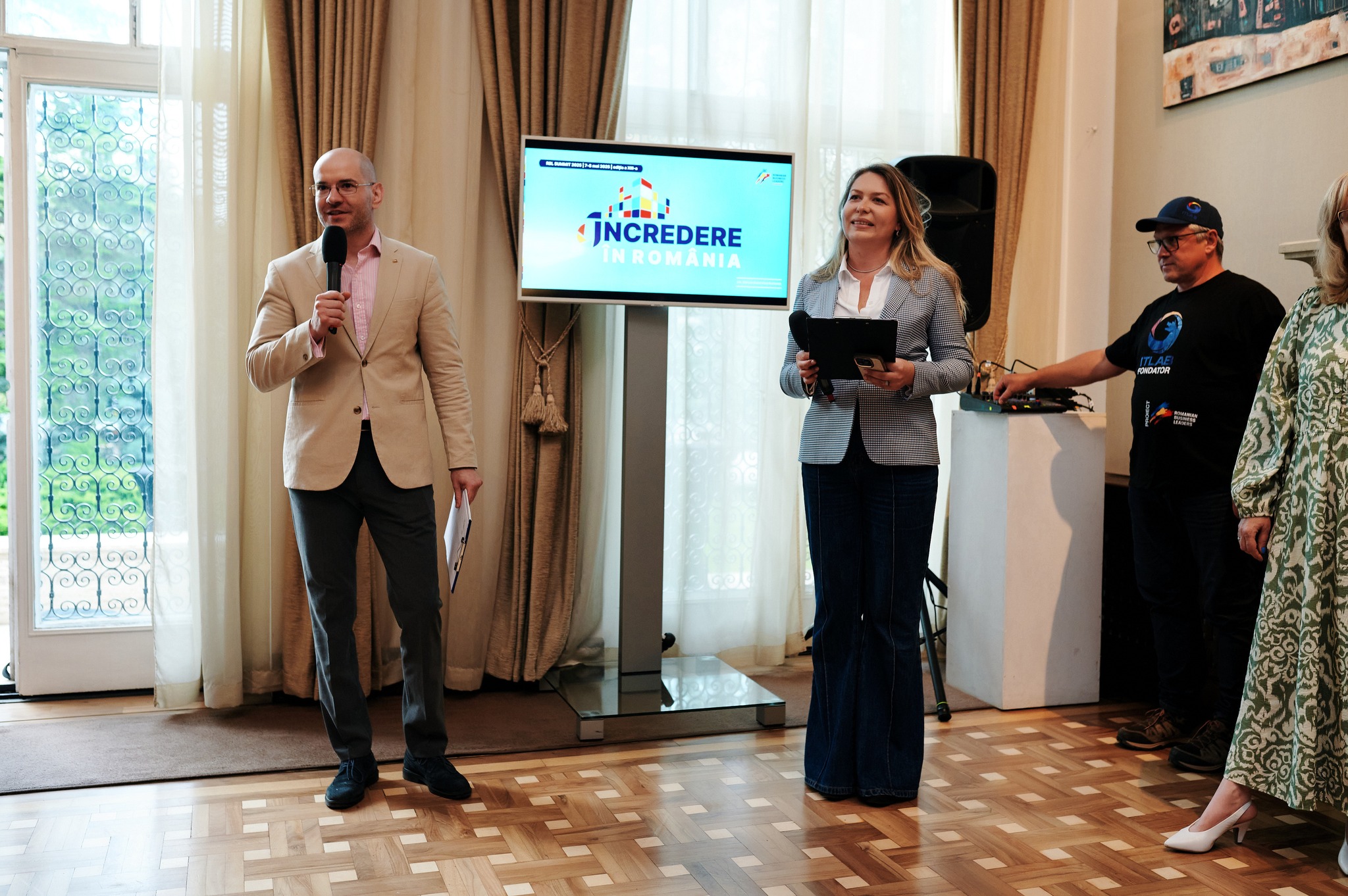
The moderators of the Romanian Business Leaders event.
On the weekend of May 16–17, 2025, Bucharest hosted Women Rally, an automotive event dedicated to women passionate about motorsport. A unique concept in Romania, Women Rally goes beyond a sporting competition, bringing together women who excel daily in their professions and choose to overcome artificial barriers and clichés without compromising grace. WIN Alliance and WIN Gallery joined the organizers in supporting this community and its shared values, including excellence, perseverance, and solidarity.
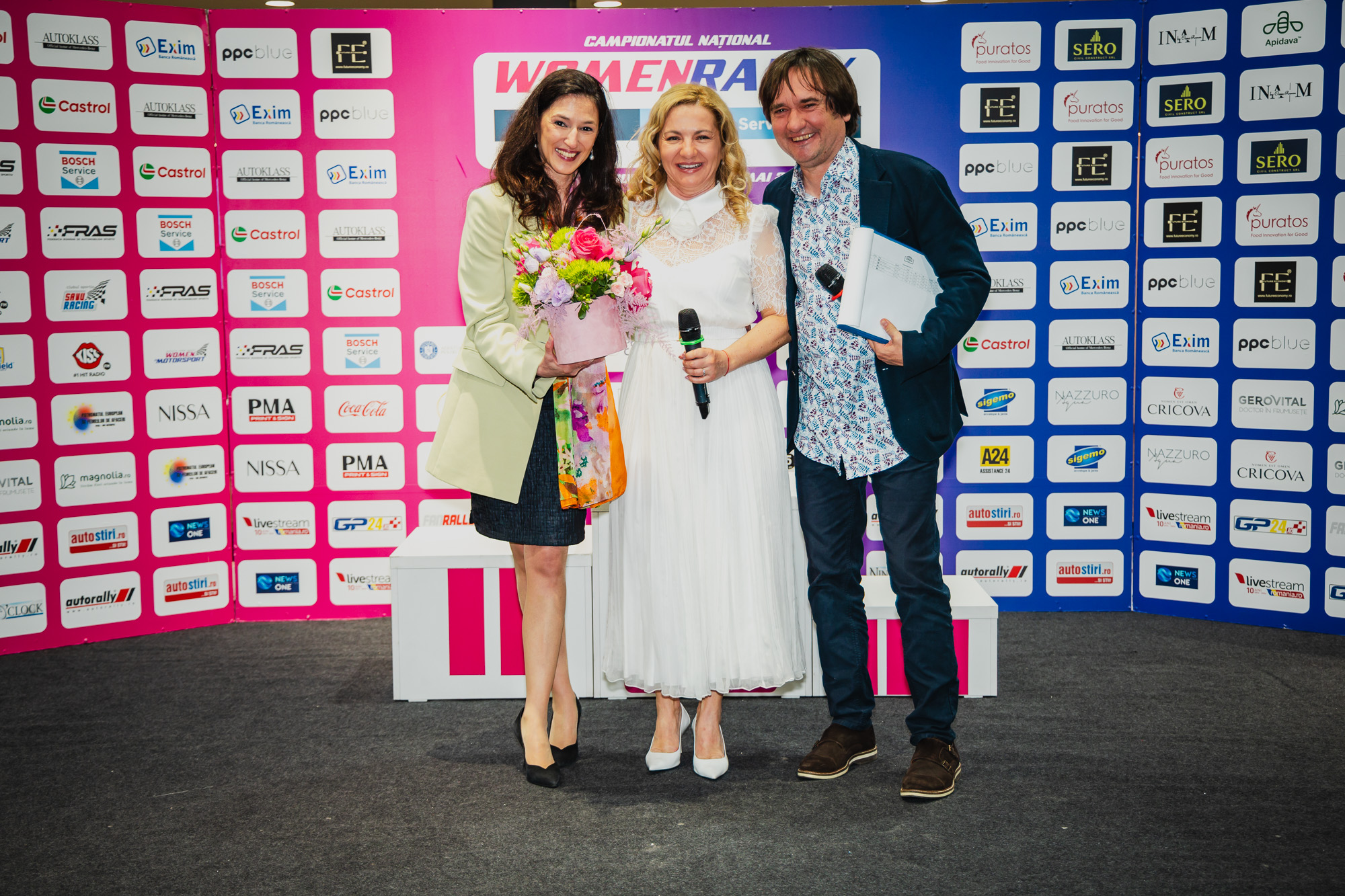
Irina Stoenescu, president of WIN Gallery, alongside the moderators of the Women Rally event.
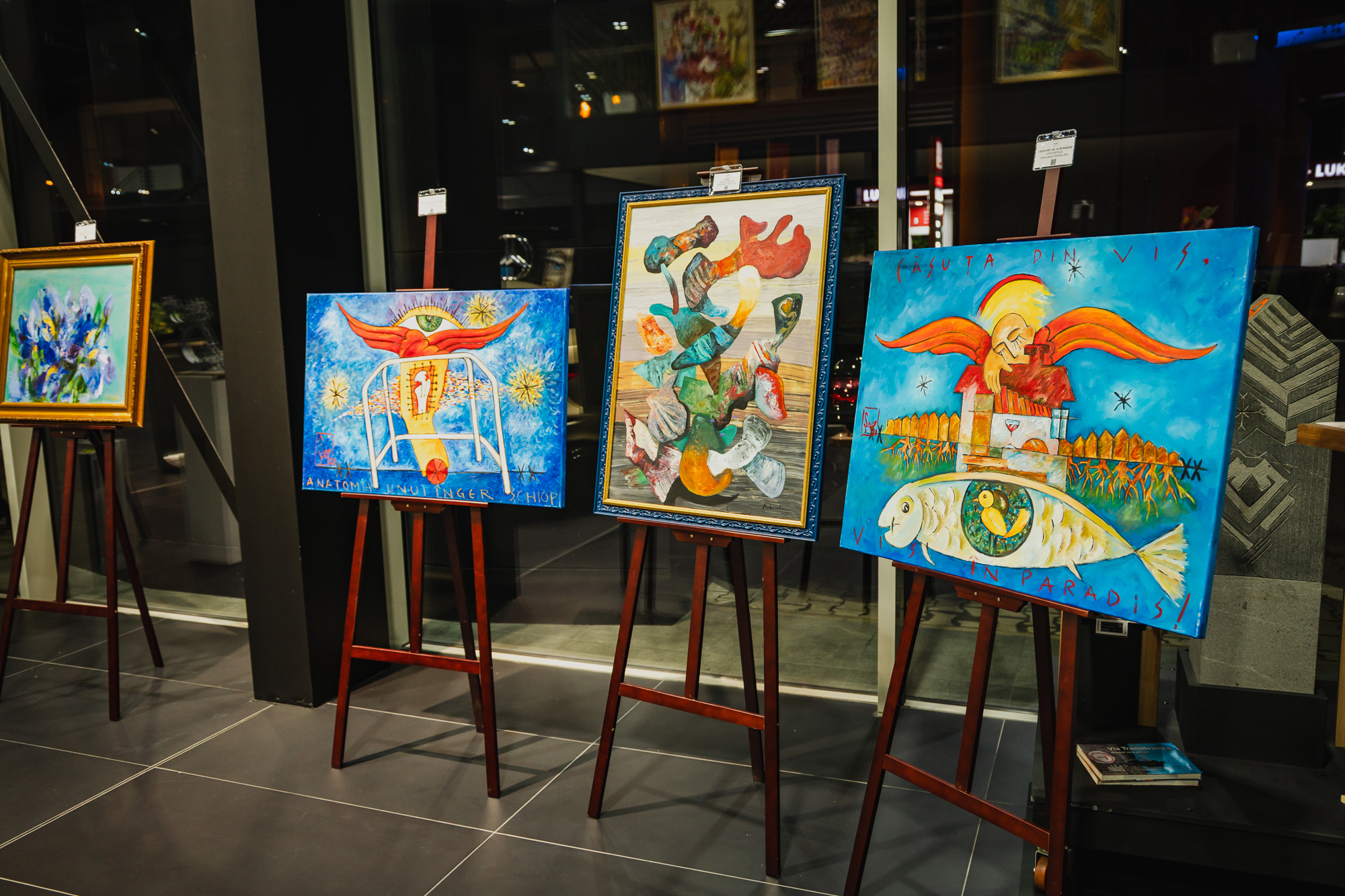
Works of art from the WIN Gallery collections prepared for the Women Rally gala evening.
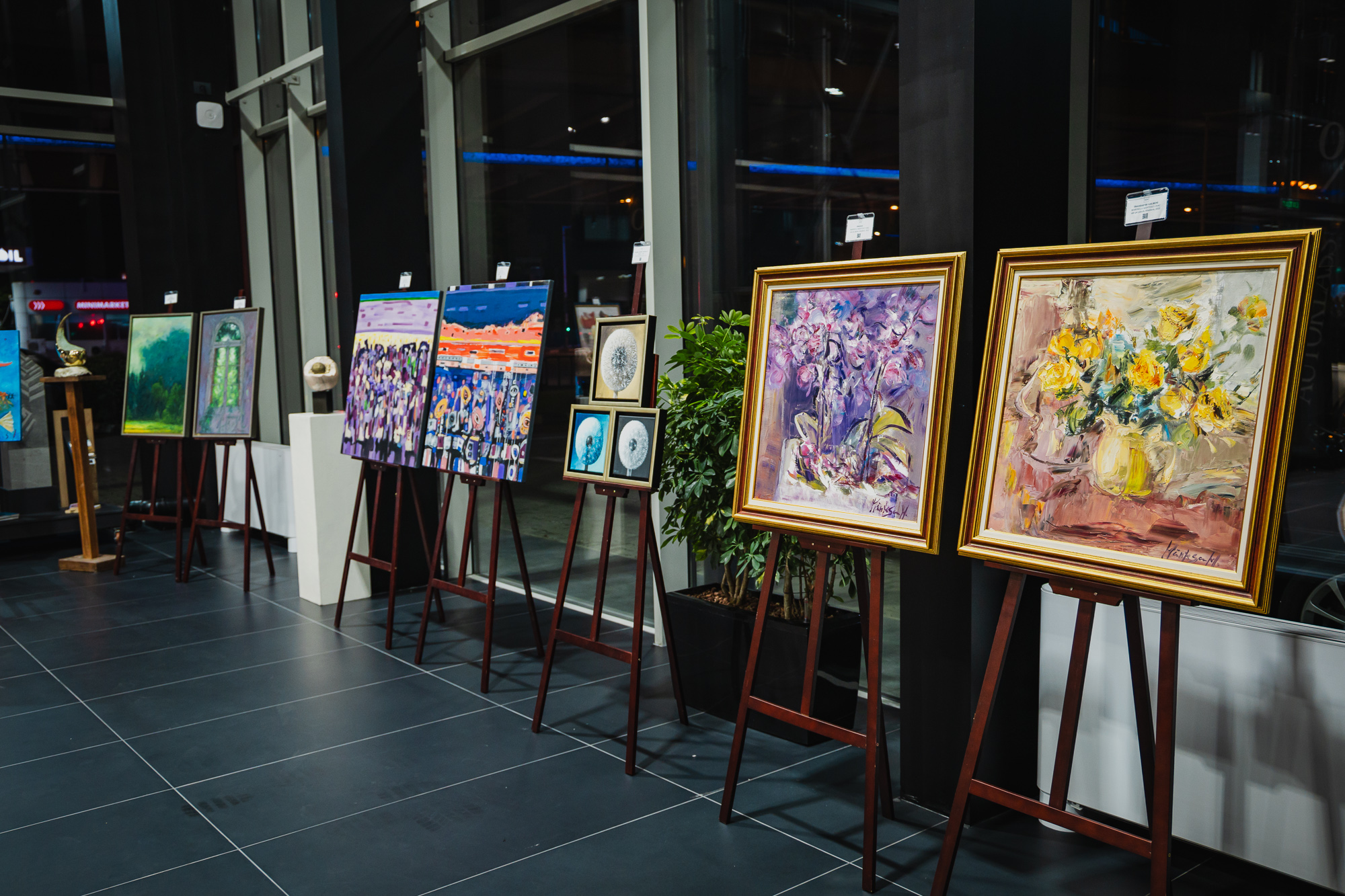
Works of art from the WIN Gallery collections prepared for the Women Rally gala evening.
The gathering of women affiliated with the “I Am ANA” community (Ambitious, Nonconformist, and Authentic) brought an added sense of grace and feminine competence into the gallery.
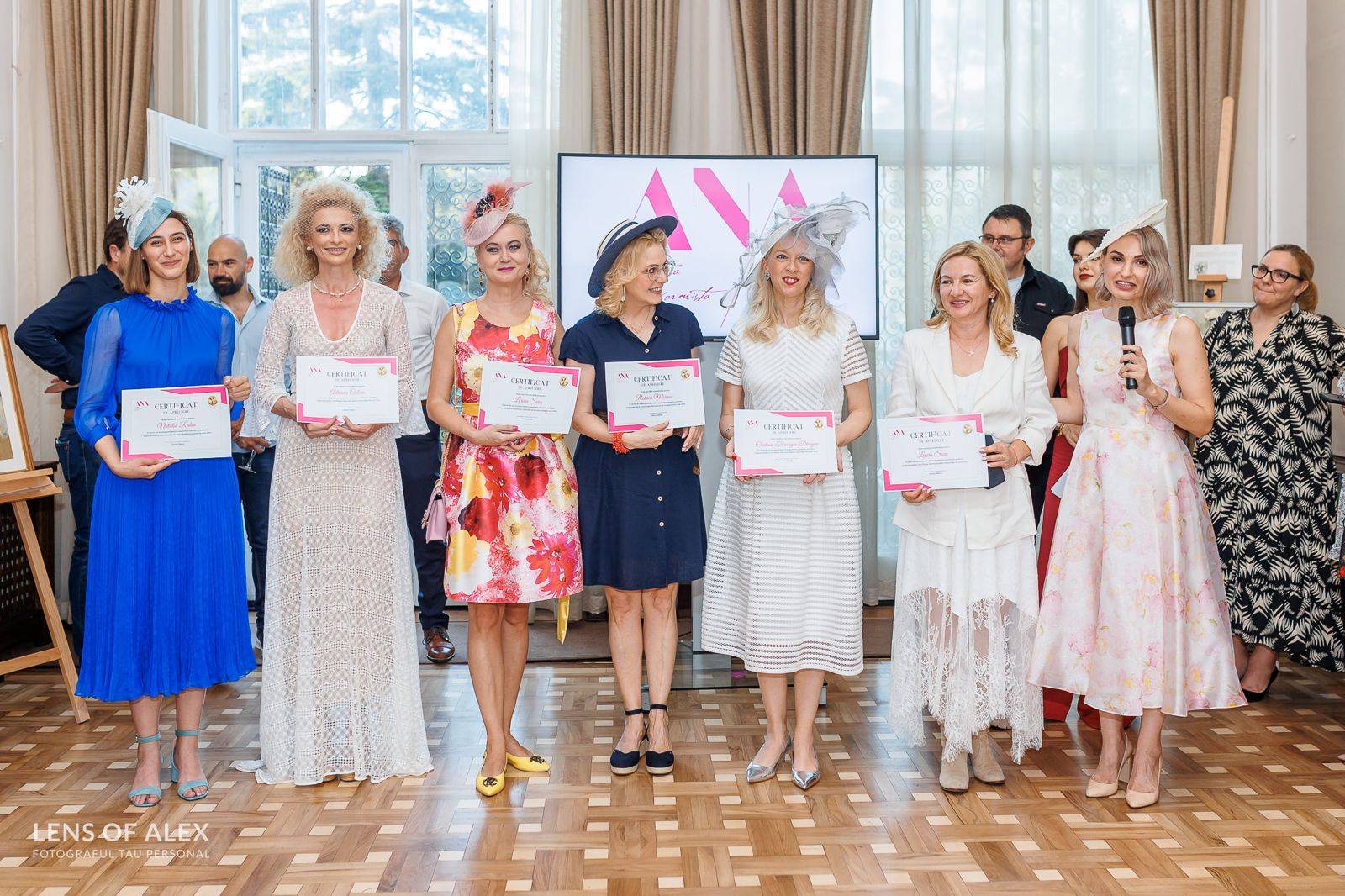
Participants at the Eu sunt Ana event, together with event creator Corina Sterea, at the microphone.
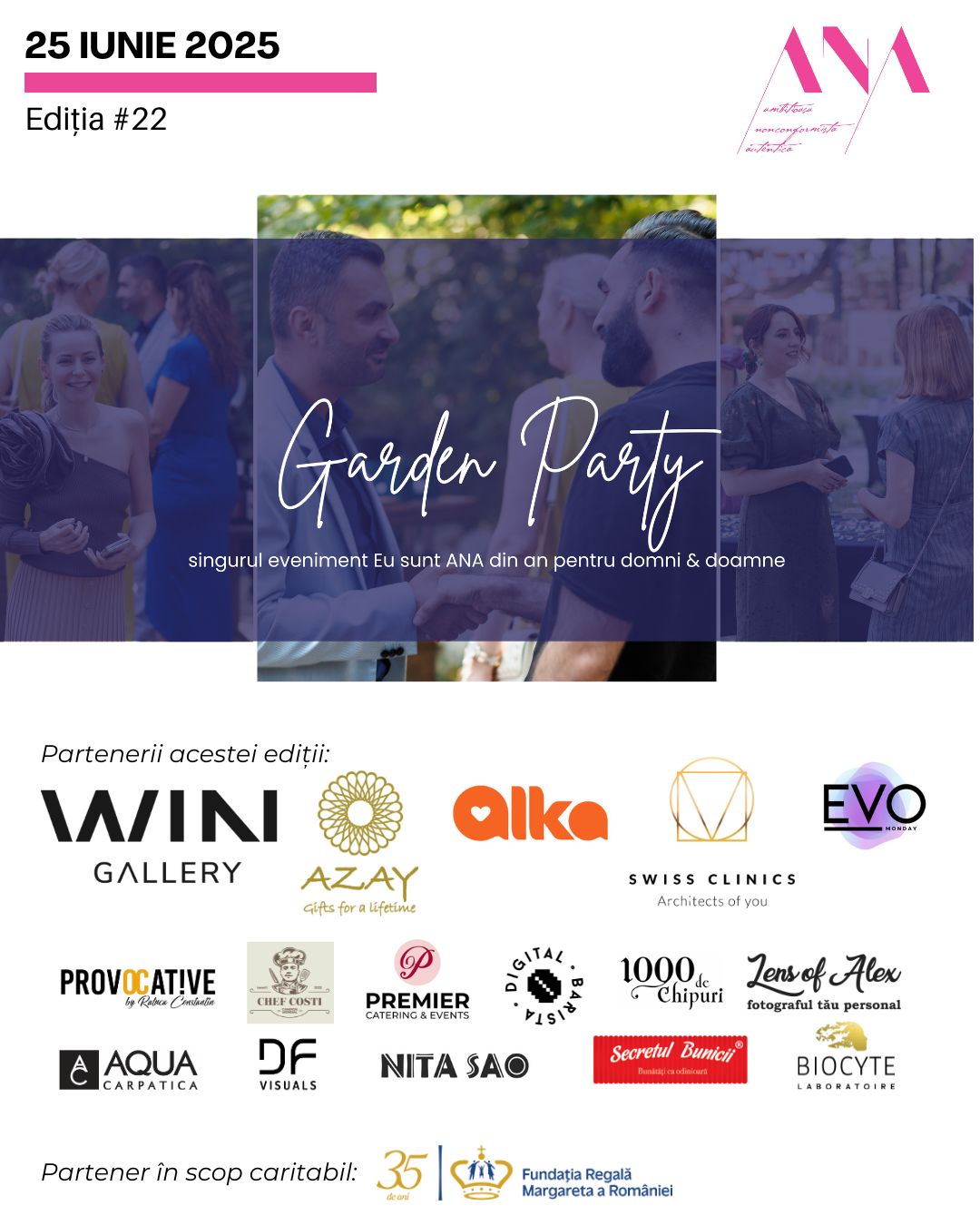
Poster of the ”Eu sunt Ana” event.
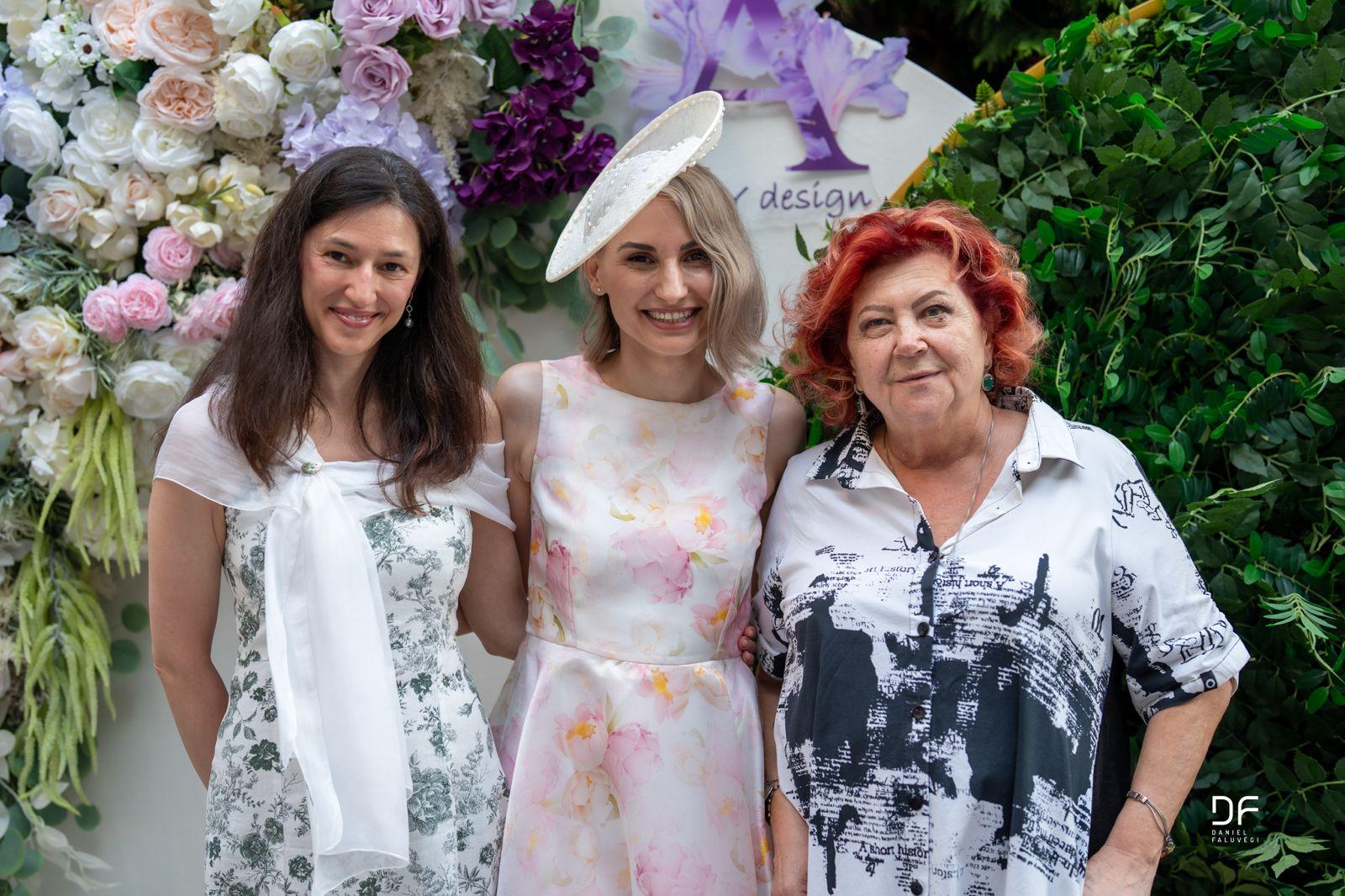
From left to right: Irina Stoenescu, President of WIN Gallery; Corina Sterea, event creator; Marinela Măntescu-Isac, curator of WIN Gallery.
For the September edition of the discussions organized by Dynamic Business Connections, WIN Gallery presented a pop-up exhibition featuring works by artists Marijana and Relu Bițulescu. The capsule collection reflected the spirit of the event, The Shift, encouraging a reexamination of clichés and promoting a broader perspective on personal and professional success.
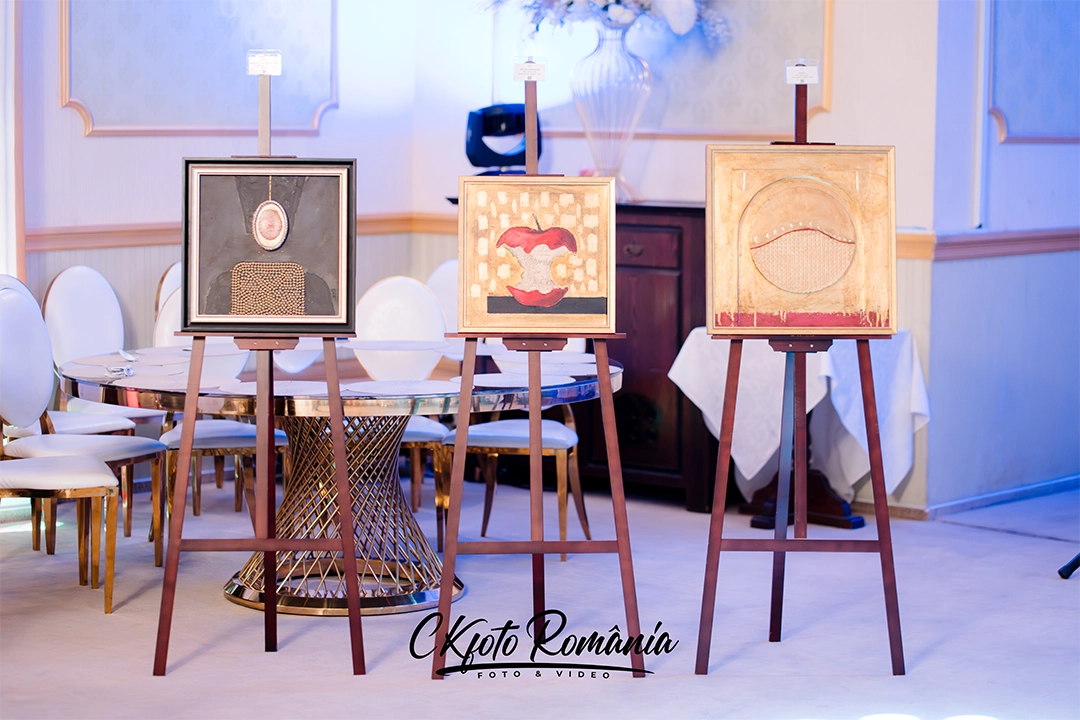
From left to right: Portrait of an Old Pink Pearl, Fruit of Knowledge, and Portal by Relu Bițulescu.
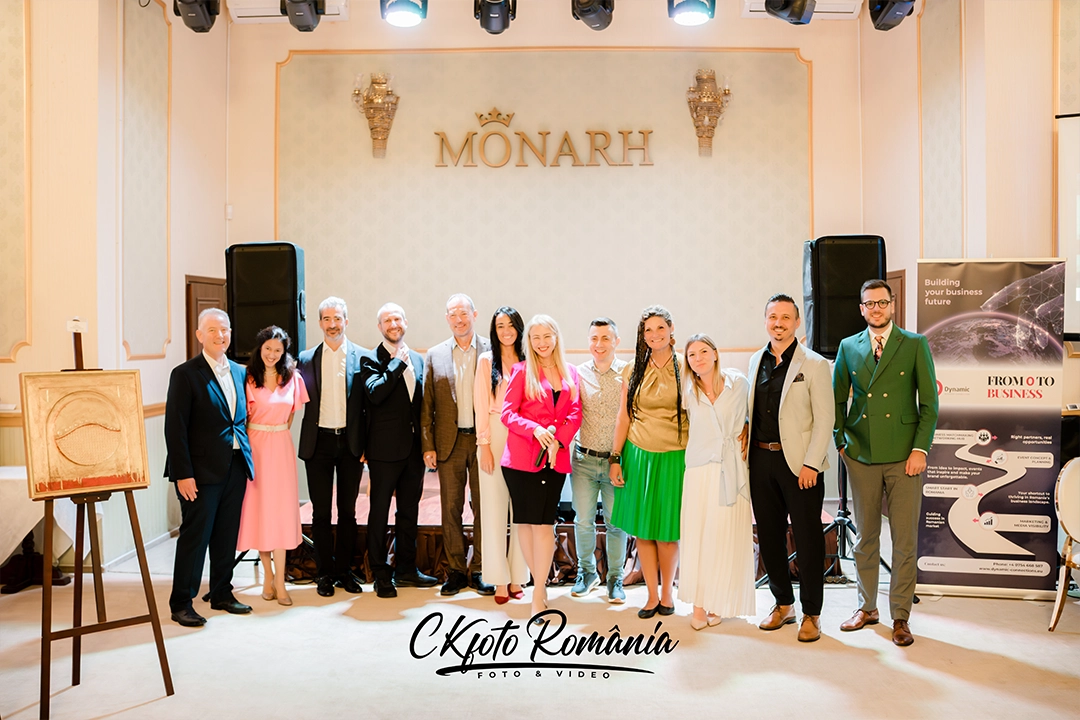
Irina Stoenescu, President of WIN Gallery, together with participants in the panel discussion.
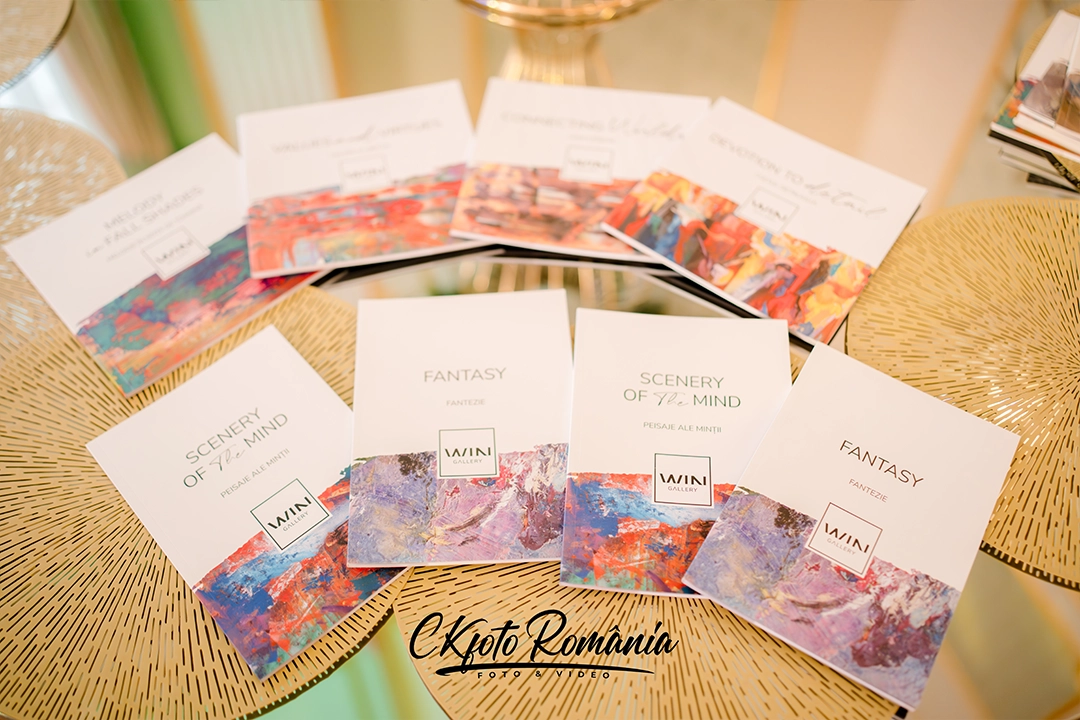
WIN Gallery art catalogues presented during the event.
The Export Institute, with the support of the British Embassy in Bucharest, UK Export Finance, BizNis International, and the British Romanian Chamber of Commerce, came together to launch the guide Doing Business in Romania, aimed at supporting British companies interested in investing in Romania. Following the reception hosted by the Embassy and two days of debates, participants were invited to a wine tasting and an encounter with art at WIN Gallery. On September 24, Crina Diculescu, the host of the event, together with organizers, sponsors, and investors, explored the relationship between local culture and business.
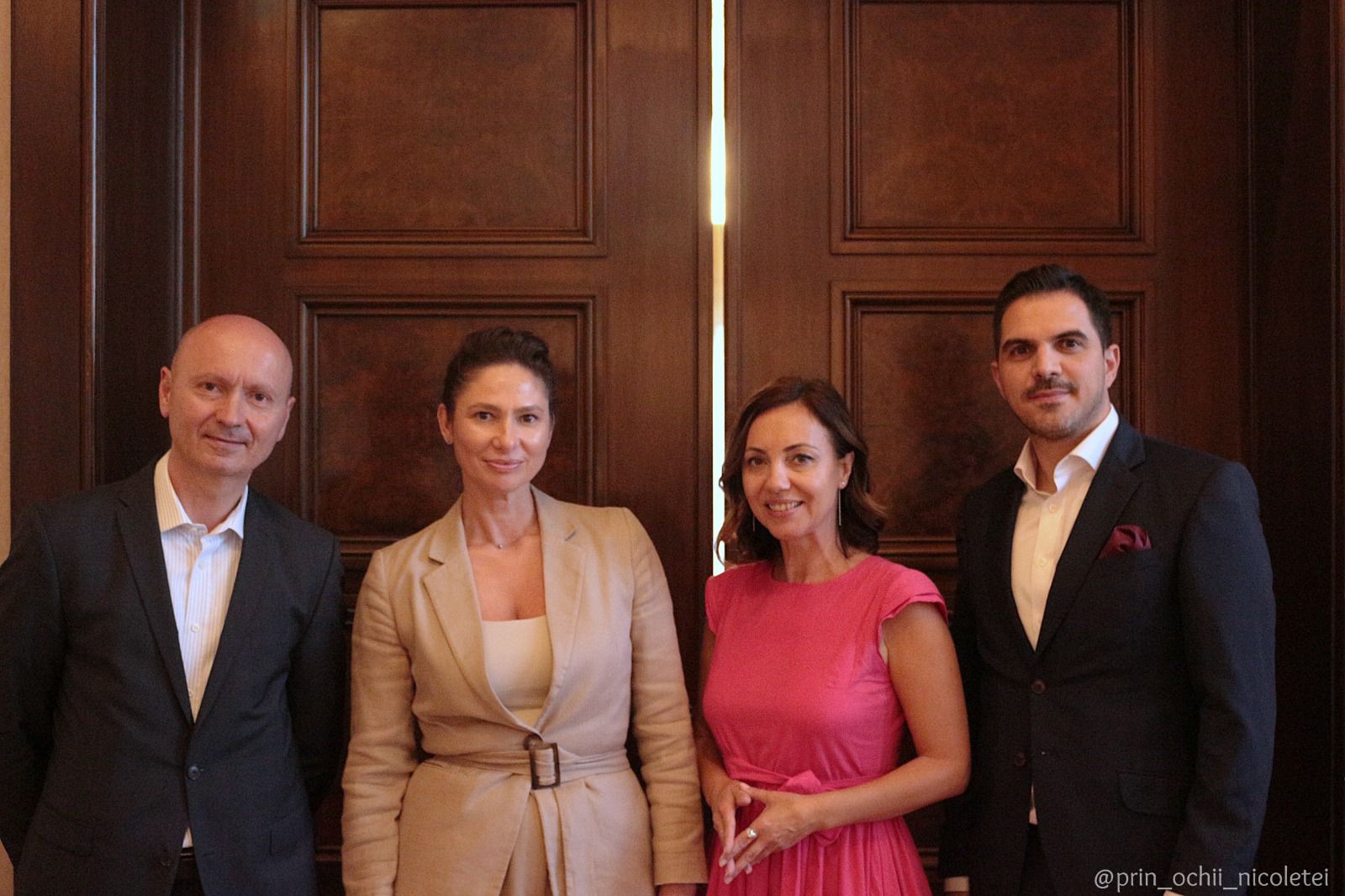
Members of the UK delegation gathered at WIN Gallery for a wine tasting and art event as part of the launch of the guide "Doing business in Romania."
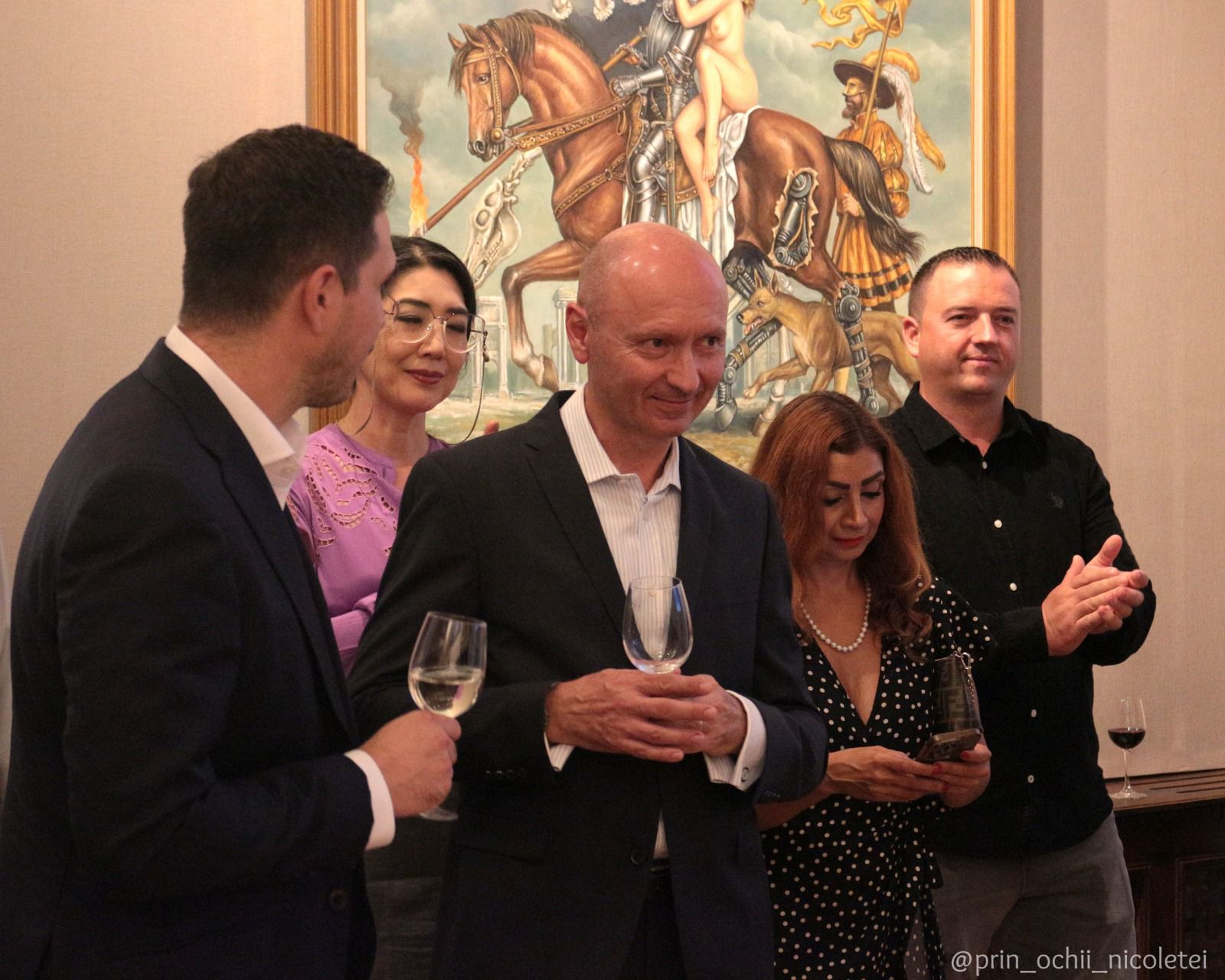
Members of the UK delegation gathered at WIN Gallery for a wine tasting and art event as part of the launch of the guide "Doing business in Romania."
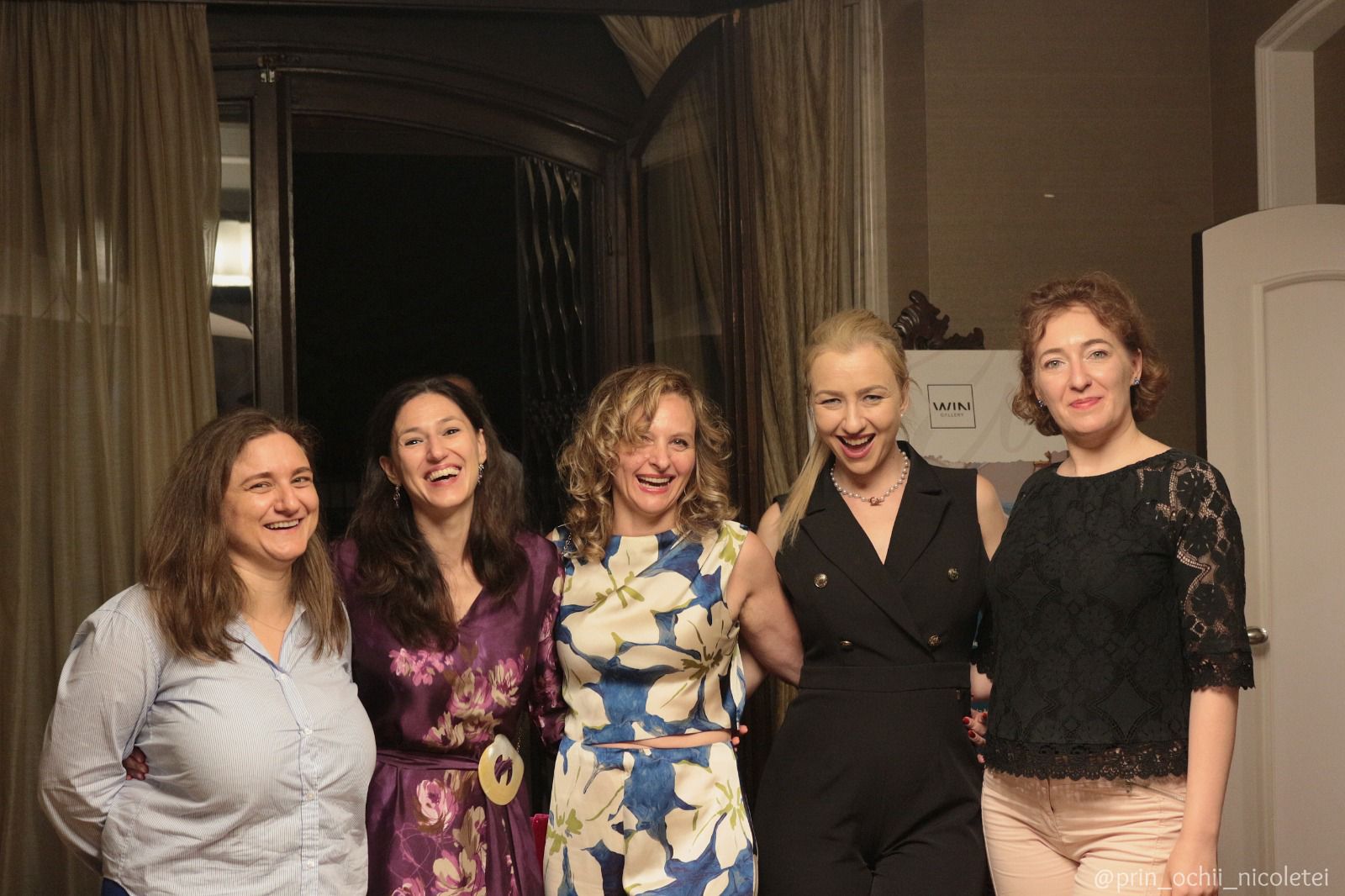
Irina Stoenescu, president of WIN Gallery (second from left), alongside Crina Diculescu (second from right), organizer of the wine tasting event, together with the evening's guests.
WIN Gallery supports the importance of preserving tangible and intangible heritage and joined as a partner in the project Wood, Canvas, and Word, held in Târgu Jiu.
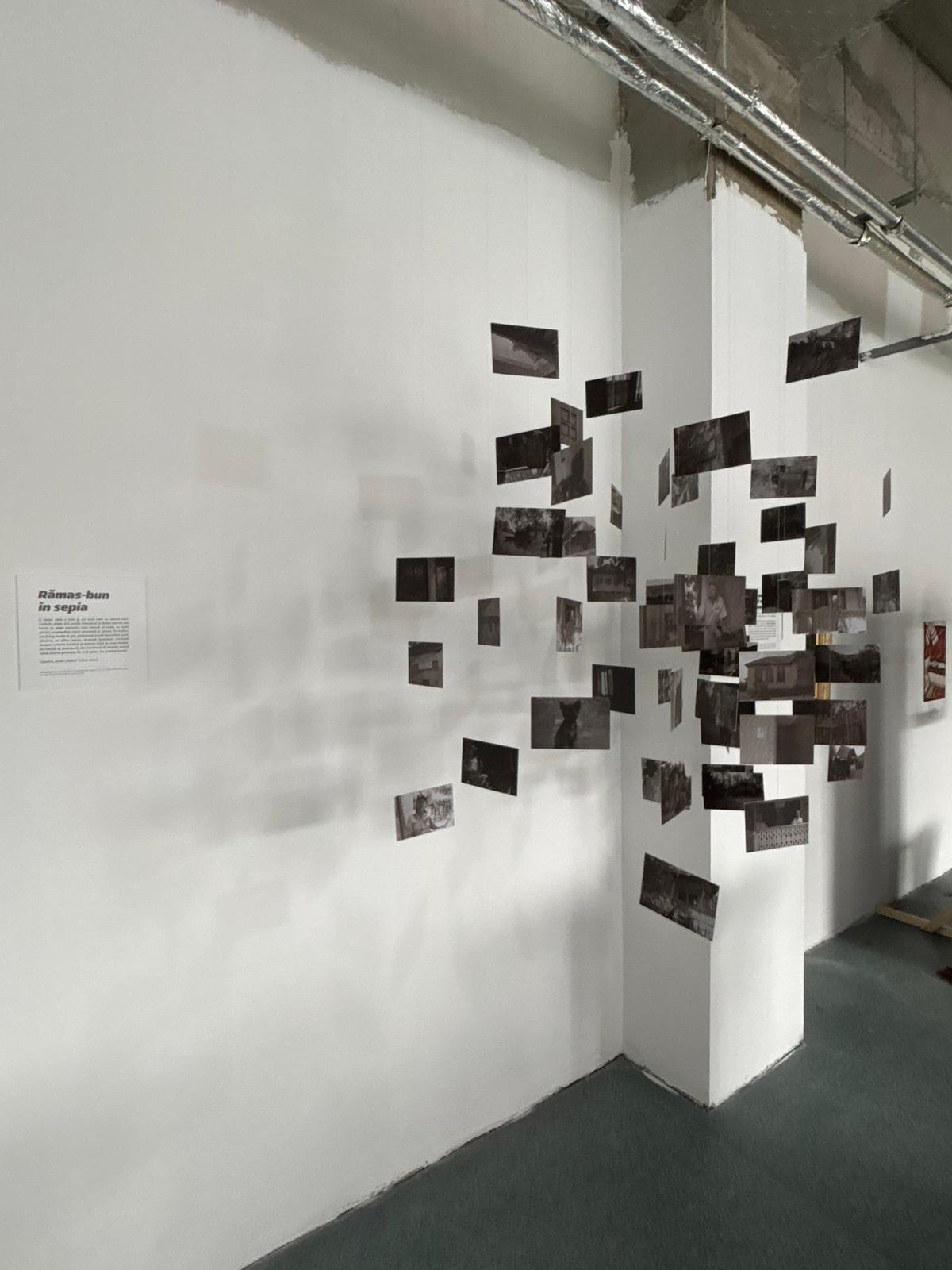
Photo installation from the exhibition, featuring images from the depopulated villages of Runcurel and Rătez, Gorj County.
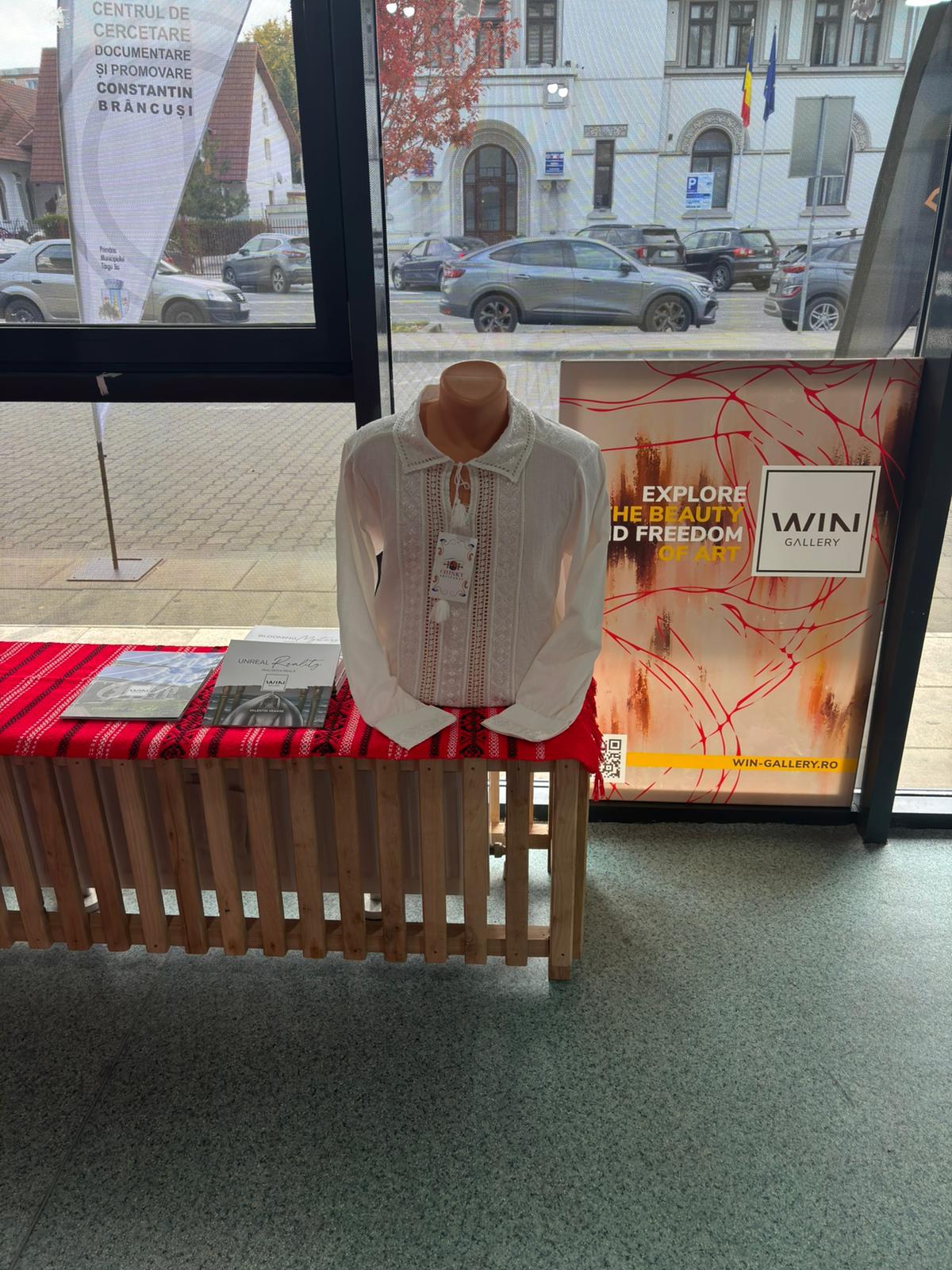
WIN Gallery corner within the exhibition
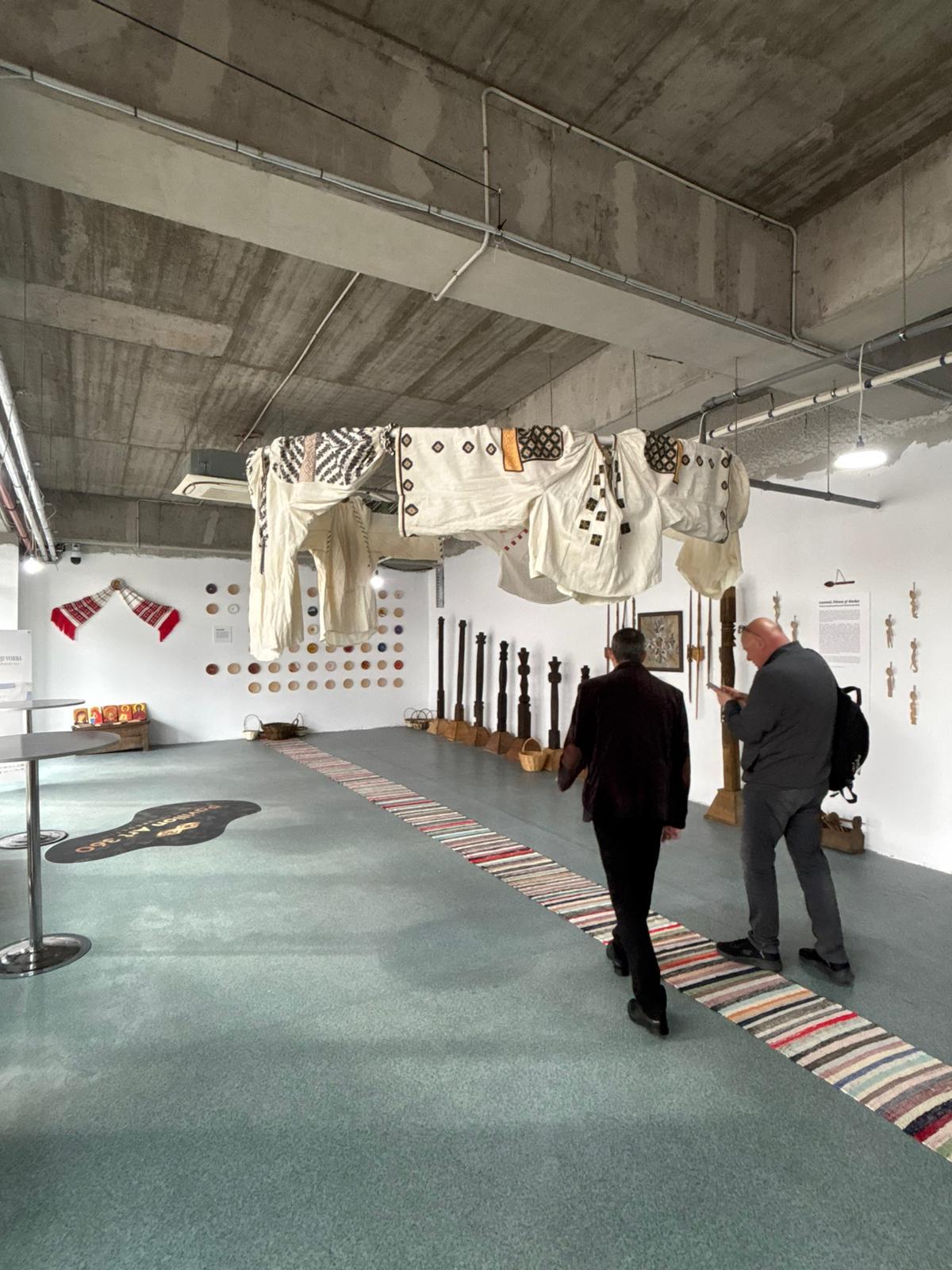
Overall view of the exhibition Wood, Canvas, and Word, showing several installations and heritage objects.
On November 12, WIN Gallery hosted PASARELA, an event at the intersection of art and fashion design. An original runway show, coordinated by Alin Gălățescu, inspired by Queen Marie of Romania and supported by the Embassy of Greece in Romania, brought together numerous members of the diplomatic corps with the aim of expanding international collaboration and strengthening bridges between Romania and the worlds of art and fashion abroad. The dresses presented were signed by Maria Amelian and Mioara Iofciulescu.
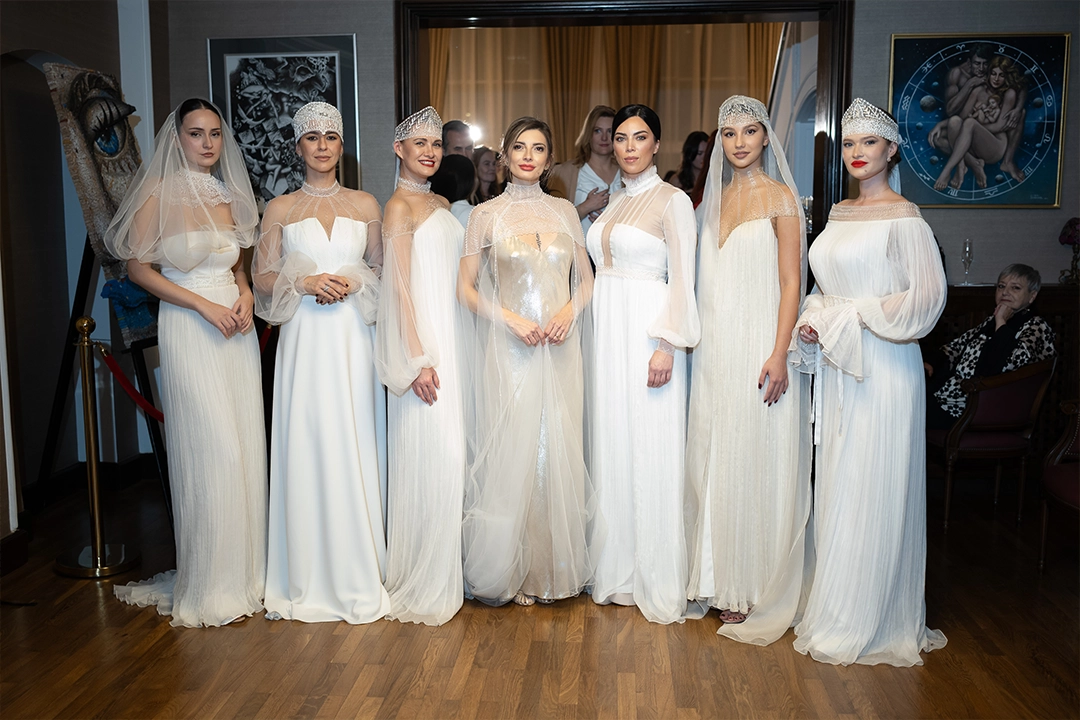
Models wearing dresses by Maria Amelian Creație during the Pasarela Fashion Show at WIN Gallery.
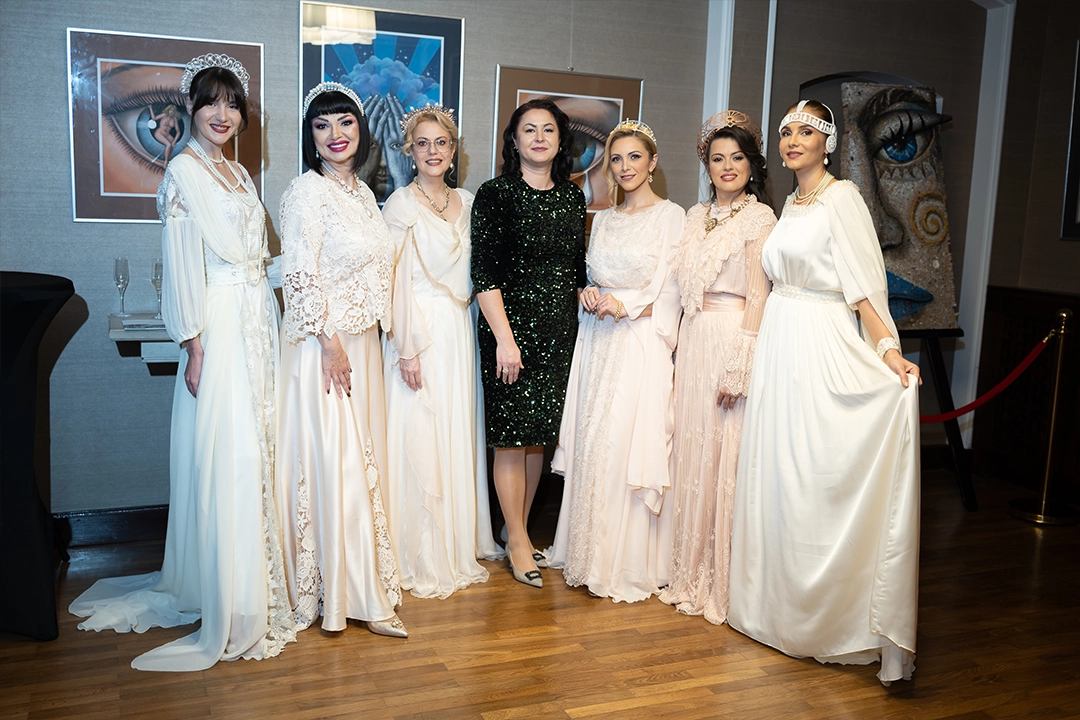
Models wearing dresses by Mioara Iofciulescu during the Pasarela Fashion Show at WIN Gallery.
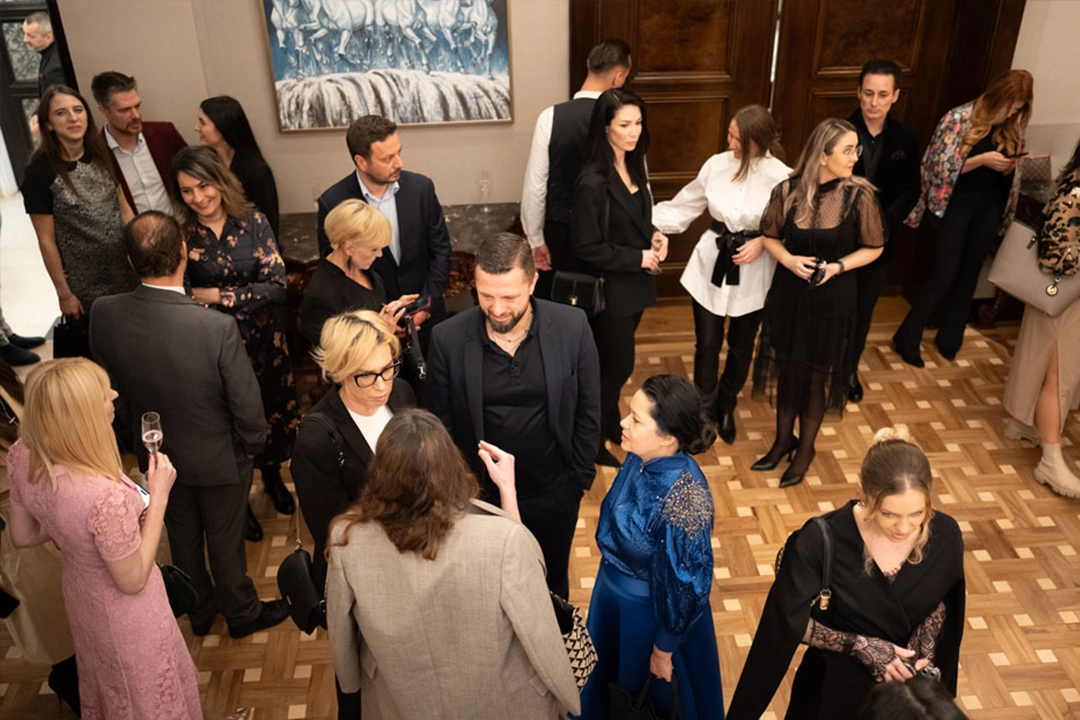
Guests at the the Pasarela Fashion Show at WIN Gallery.
November 24 marked the launch of an effervescent and unconventional volume, From the Kazakh Steppe Straight to Facebook. A Travel Journal in Kazakhstan, signed by Marina Almășan. Alongside the Embassy of Kazakhstan and H.E. Ambassador Yerlik Ali, the evening was enriched with artistic moments, raffles, and surprises. The author’s naturalness and dialogue with the audience turned the event into a lively conversation about the courage to explore and the way travel reshapes our perspective.
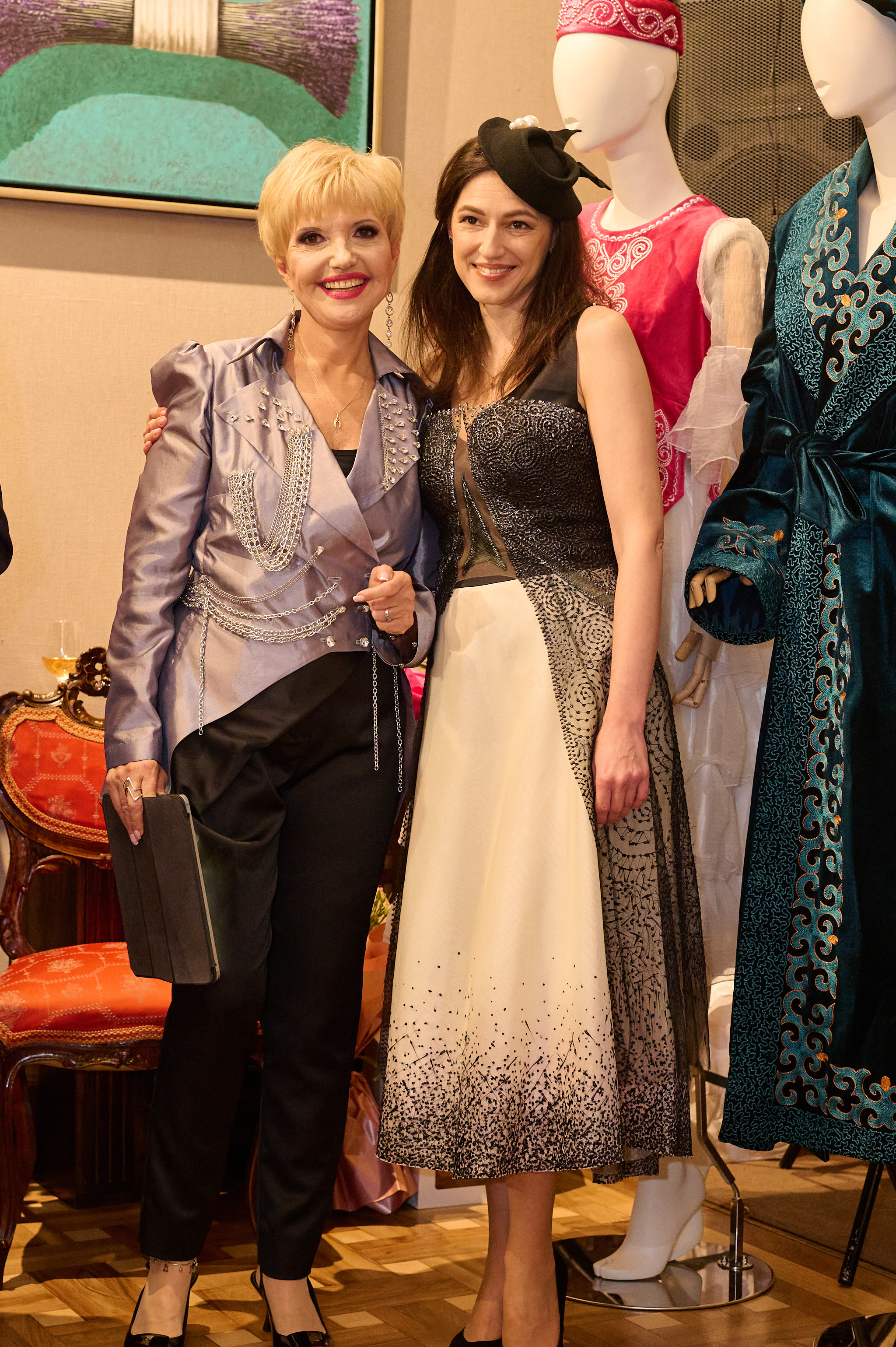
Marina Almășan together with Irina Stoenescu, president of WIN Gallery, at the launch of the book "From the Kazakh Steppe Straight to Facebook. A Travel Journal in Kazakhstan" that took place at WIN Gallery.
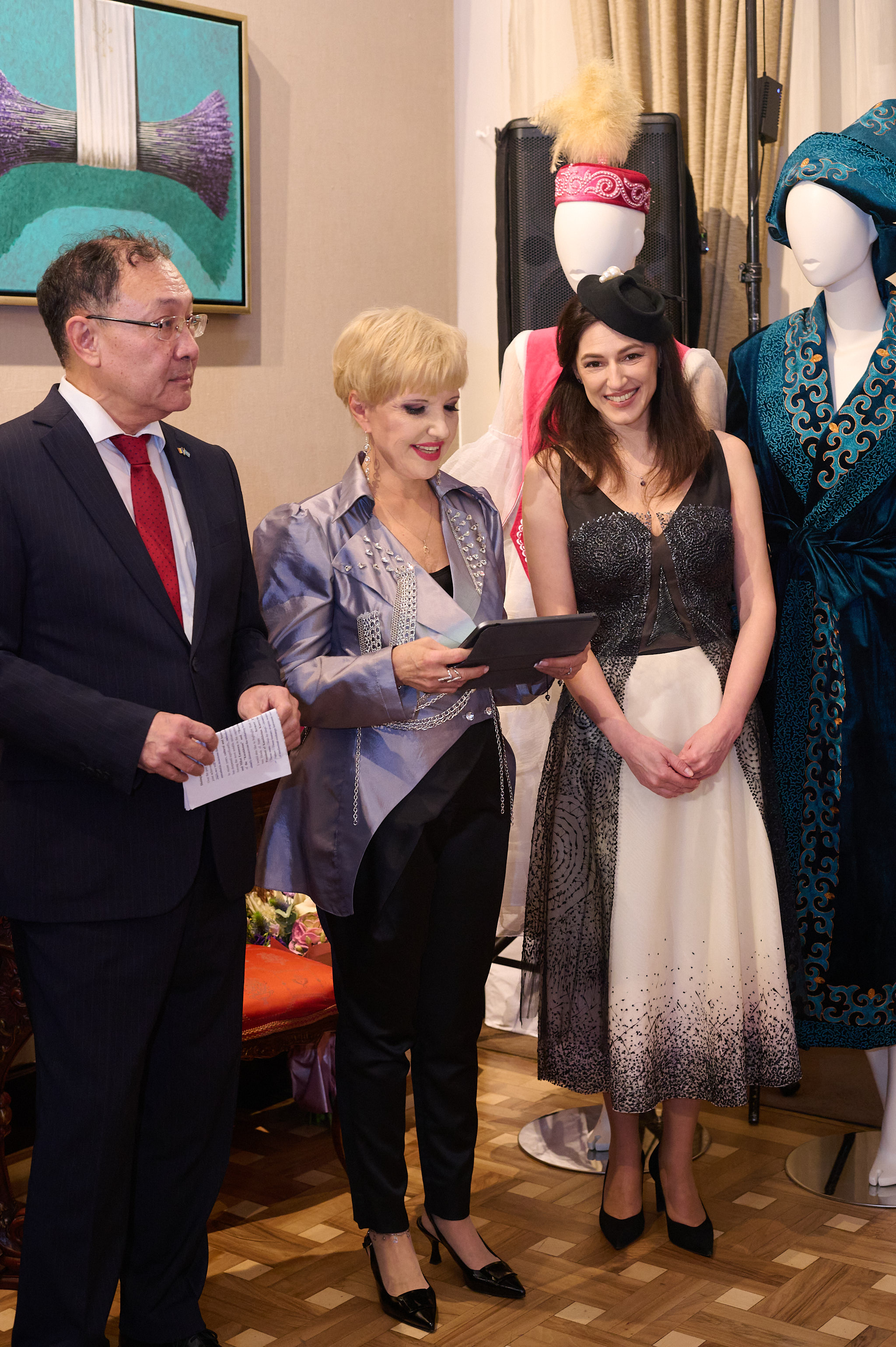
His Excellency, the Ambassador of Kazakhstan to Bucharest, Yerlik Ali, alongside author Marina Almășan and Irina Stoenescu, president of WIN Gallery.
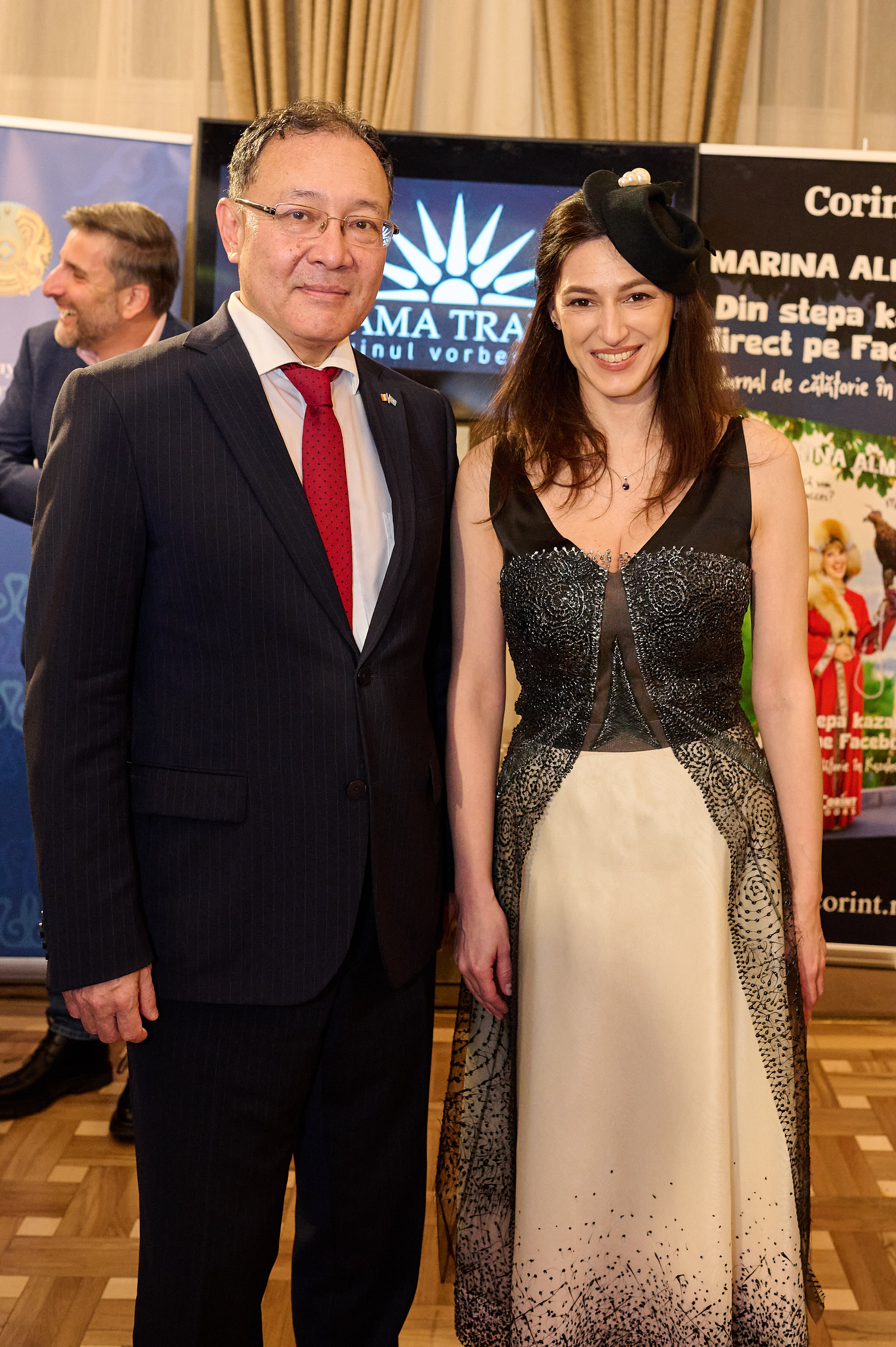
His Excellency, Ambassador Yerlik Ali, alongside Irina Stoenescu, president of WIN Gallery.
On November 26, WIN Gallery hosted the Art Deco Centenary in Romania, an evening dedicated to architectural history and the stories shaping Bucharest’s identity. Together with Ovidiu Neacșu, urban explorer and heritage enthusiast, guests discovered the Art Deco style and the spirit of the 1920s, a period of effervescence, creative rebellion, and urban transformation. Discussions about architects, styles, and representative buildings became a cultural journey through Bucharest of another era, seen through the bold spirit of Art Deco.
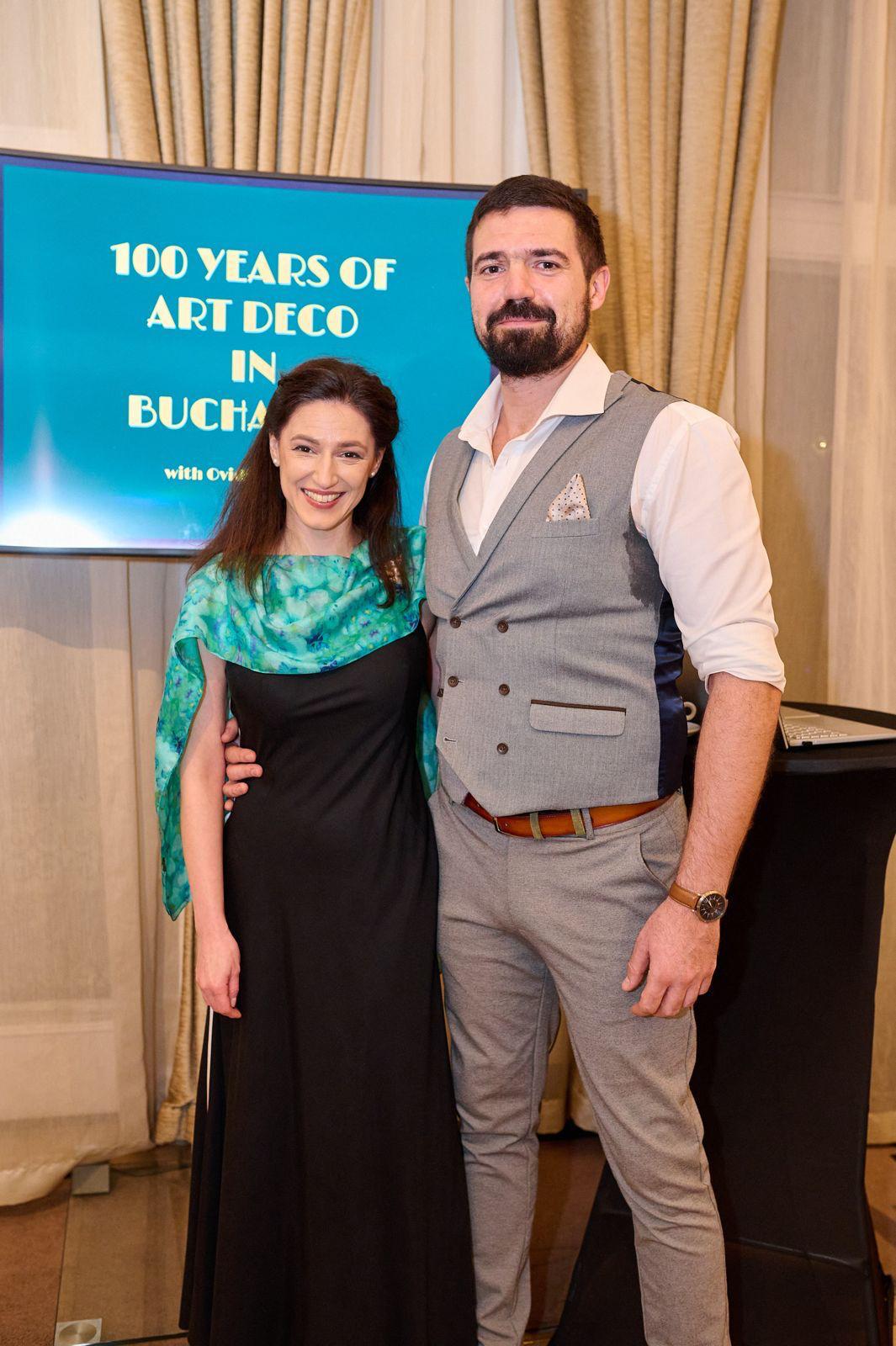
Ovidiu Neacșu, presenter and co-organizer of the Art Deco Centenary in Romania, alongside Irina Stoenescu, president of WIN Gallery
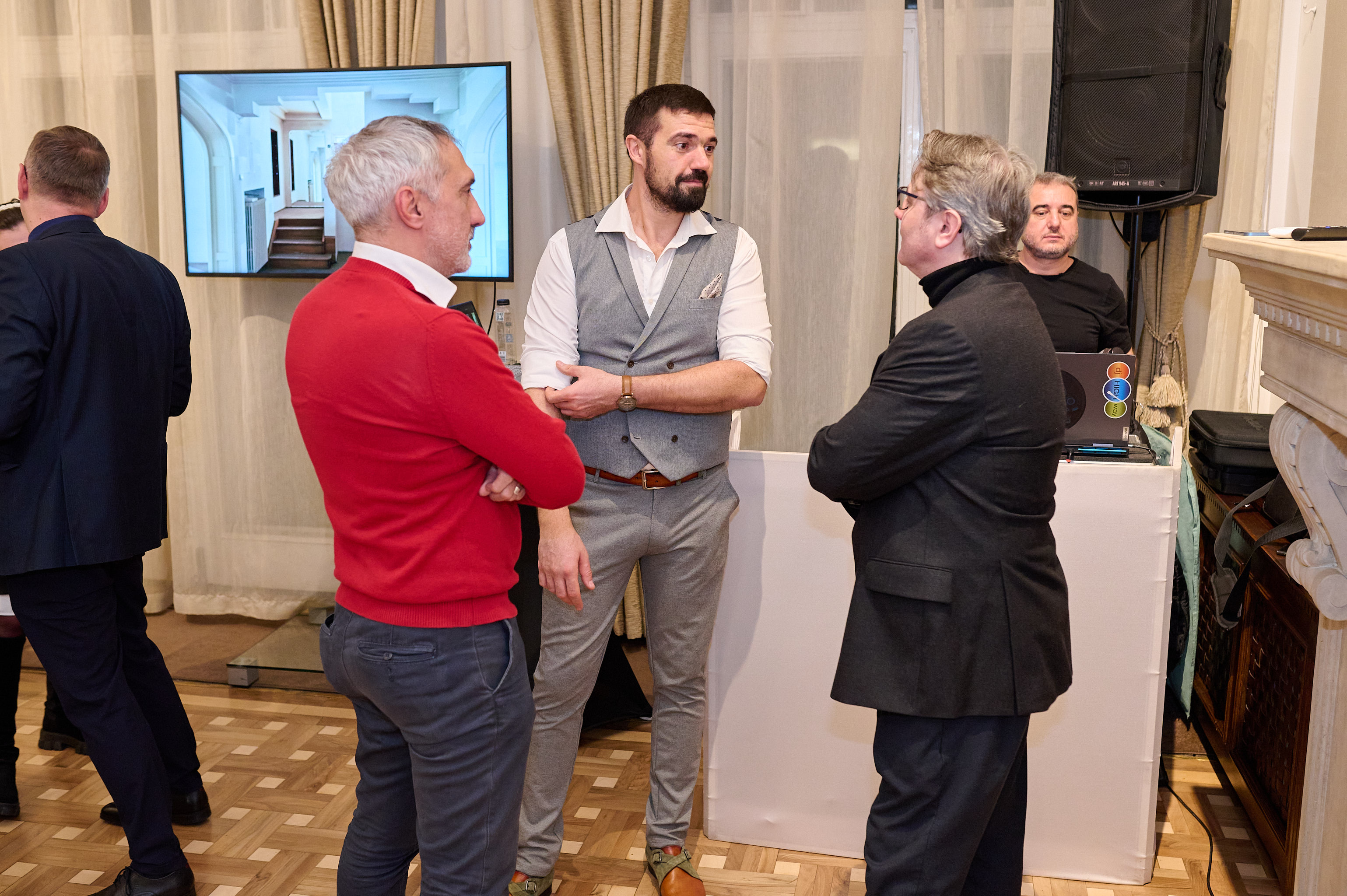
Ovidiu Neacșu, presenter and co-organizer of the Art Deco Centenary in Romania, alongside guests and participants.
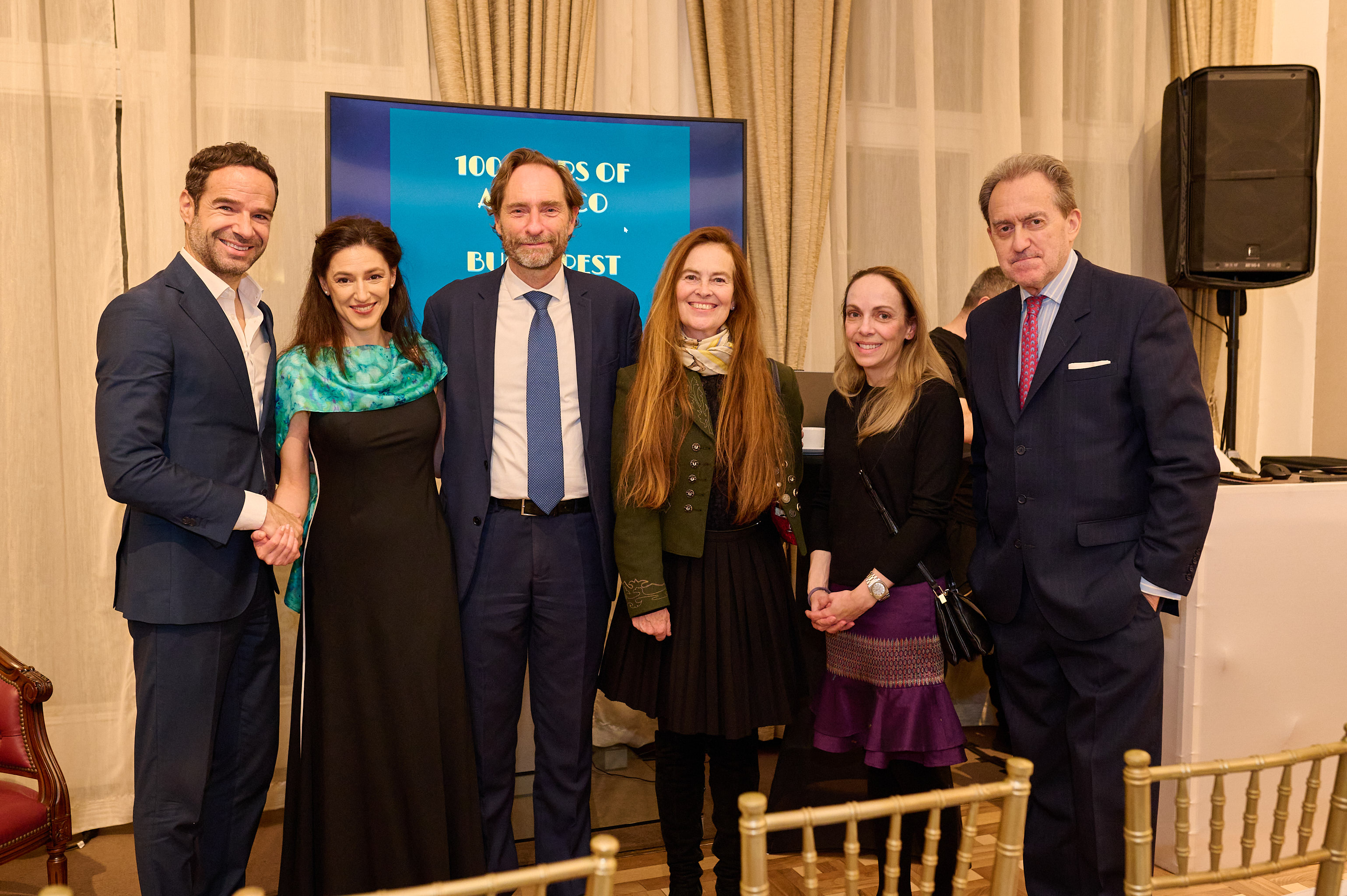
Guests and friends of the gallery at the Art Deco Centenary in Romania alongside Irina Stoenescu, president of WIN Gallery.
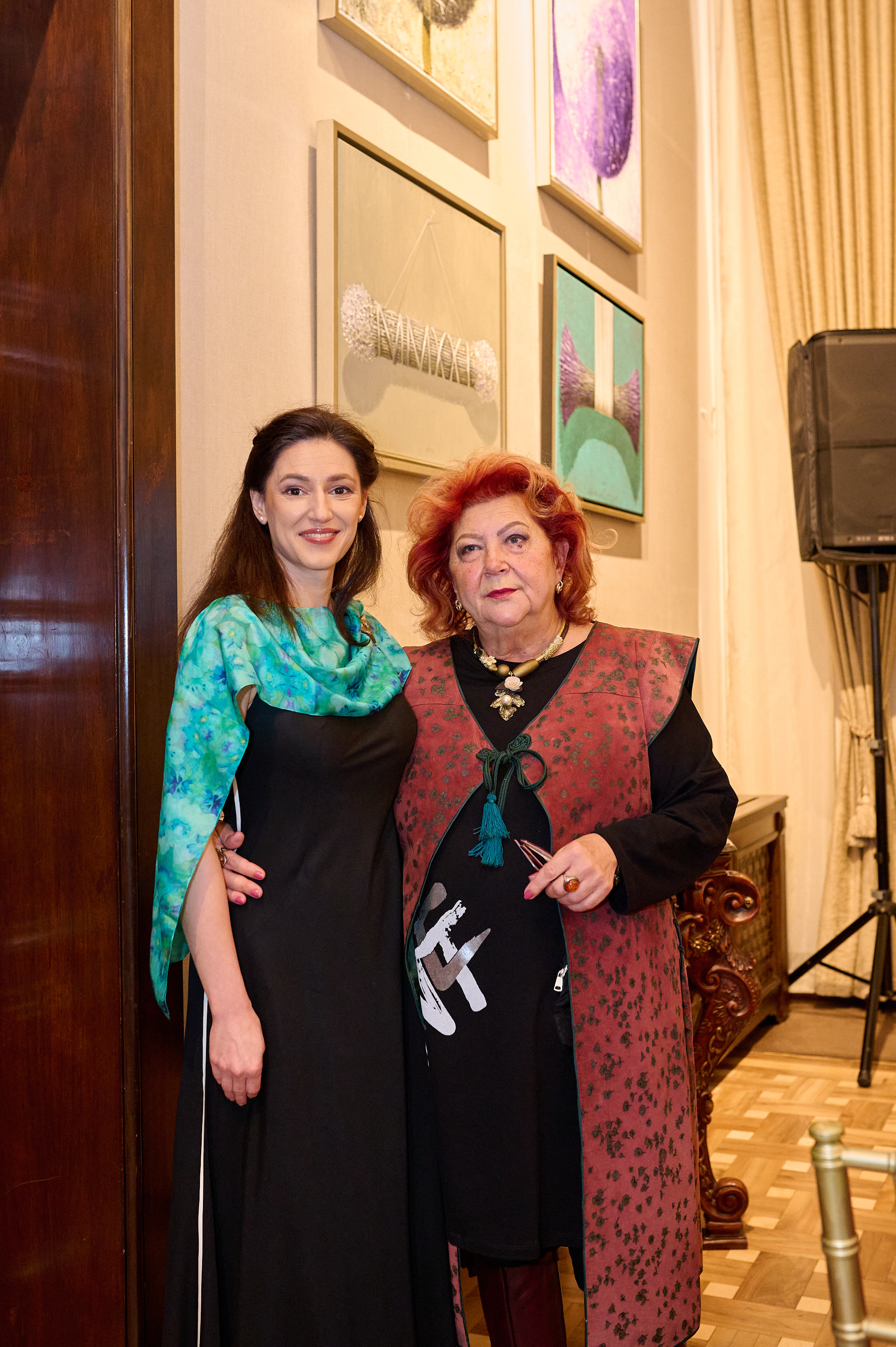
Irina Stoenescu, president of WIN Gallery, alongside Marinela Măntescu-Isac, artist and curator of WIN Gallery.
The most recent edition of Breakfast with Diamonds, organized by Haute Culture & STIL Diamonds, took place at WIN Gallery on November 25. It was a special morning dedicated to women seeking moments of indulgence and authentic connections. The gallery transformed into a space for ideas and untold stories about jewelry, material and sentimental values, while paintings by Marcel Lupșe complemented and inspired the conversation.
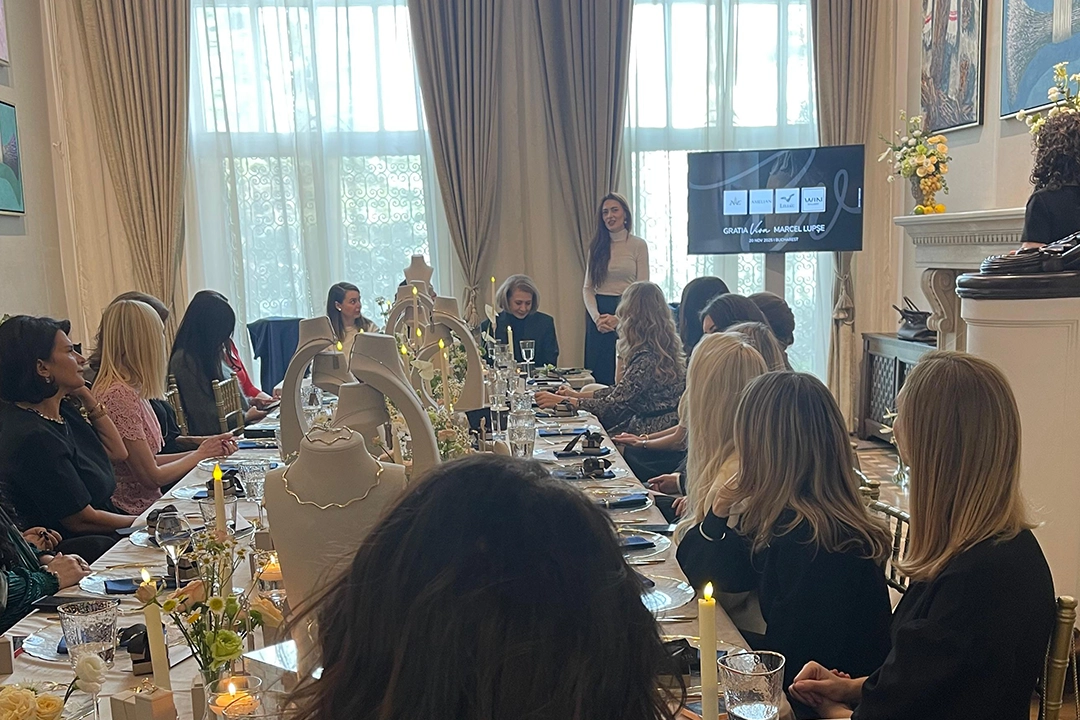
Preparations for the Breakfast with Diamonds event held at WIN Gallery.
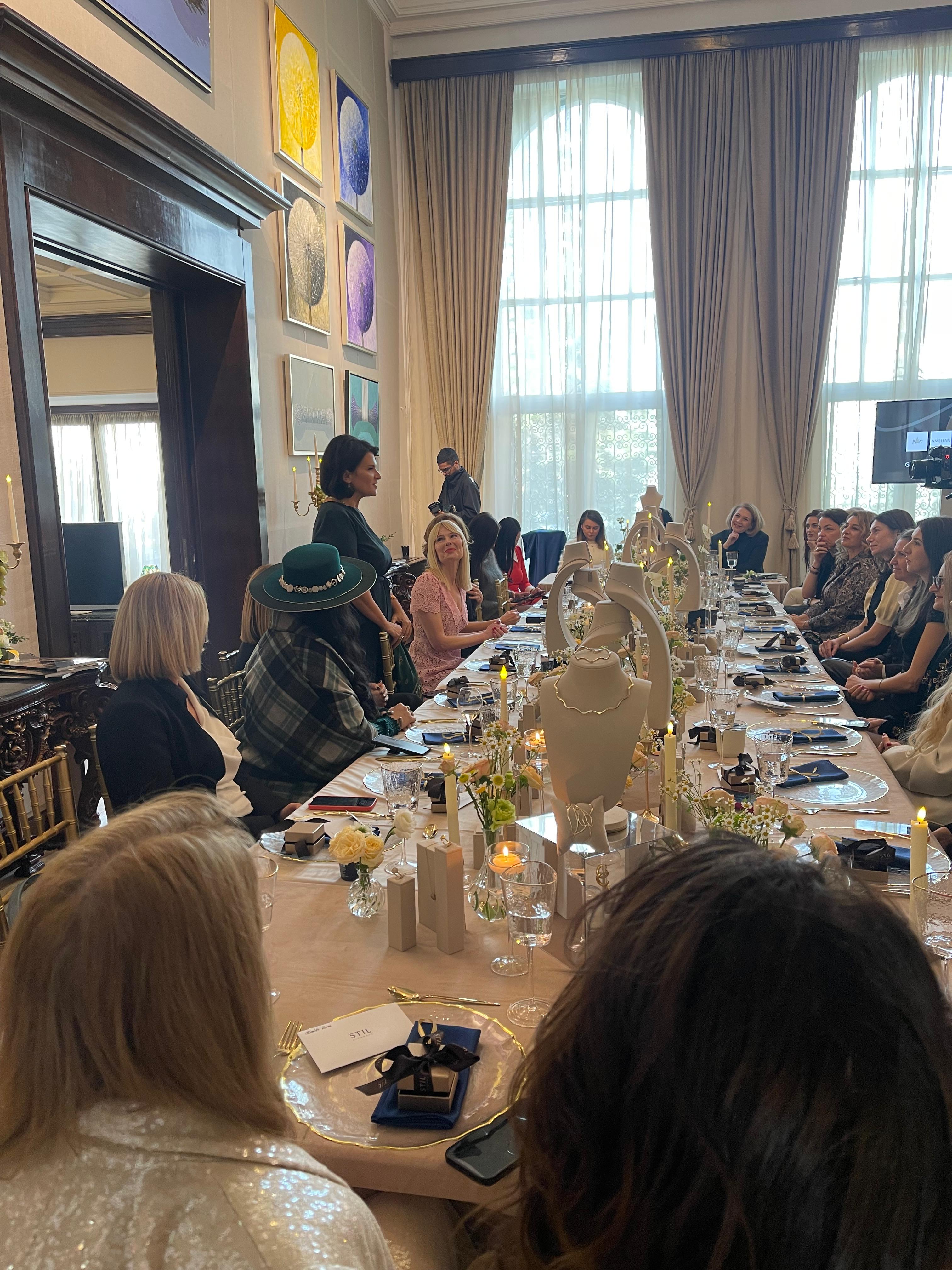
Guests at the Breakfast with Diamonds event that was held at WIN Gallery.
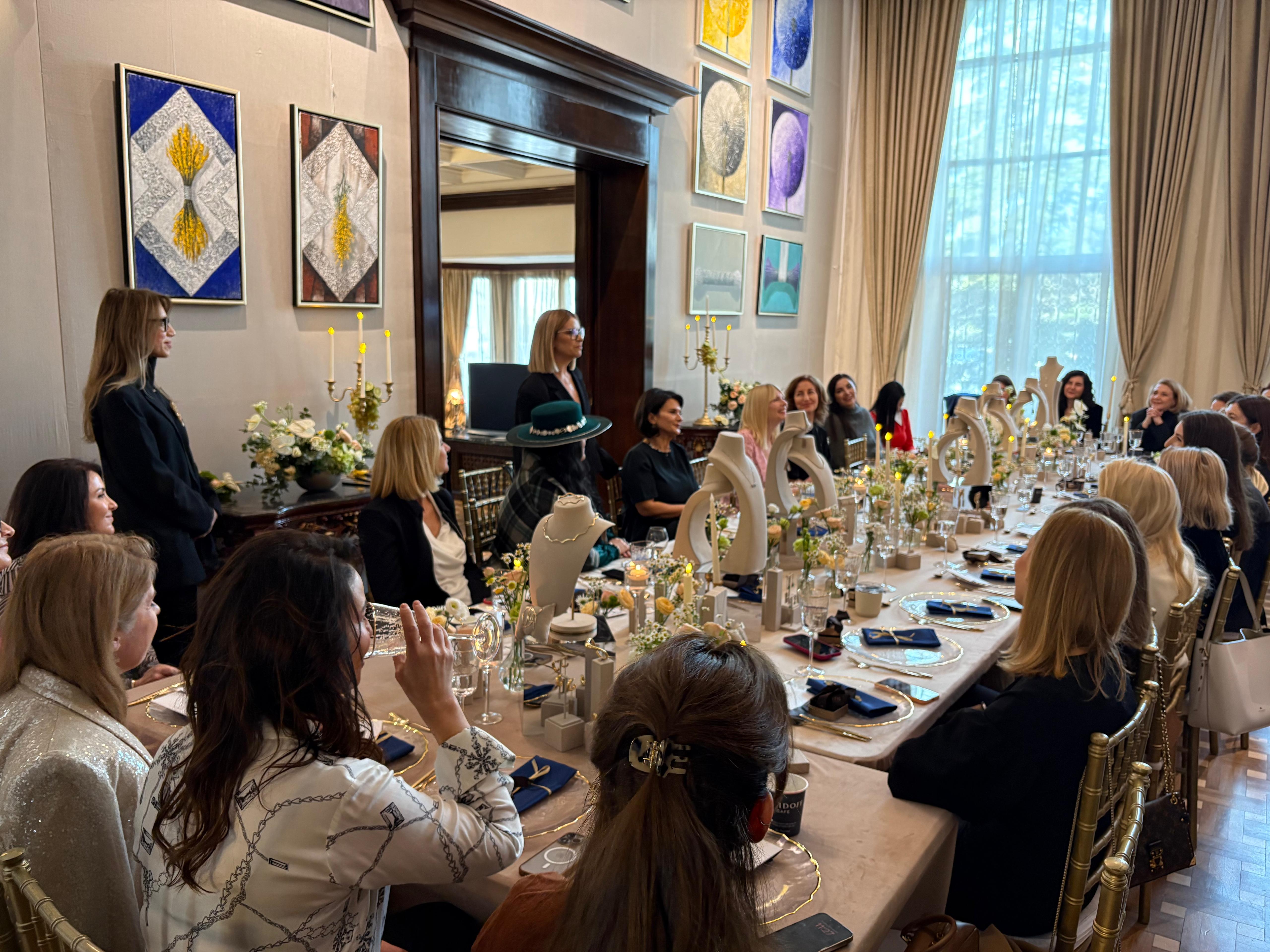
Going around the table and introducing guests at the Breakfast with Diamonds event held at WIN Gallery
Internationally, in 2025 WIN Gallery carried out exhibition projects in Spain, Portugal, and the United Kingdom, strengthening its international presence and commitment to promoting Romanian artists abroad.
In March 2025, the Interactive Music Museum in Málaga hosted a selection of works from the WIN Gallery collection. They were presented as part of a special Mărțișor event organized by the General Consulate of Romania in Seville.
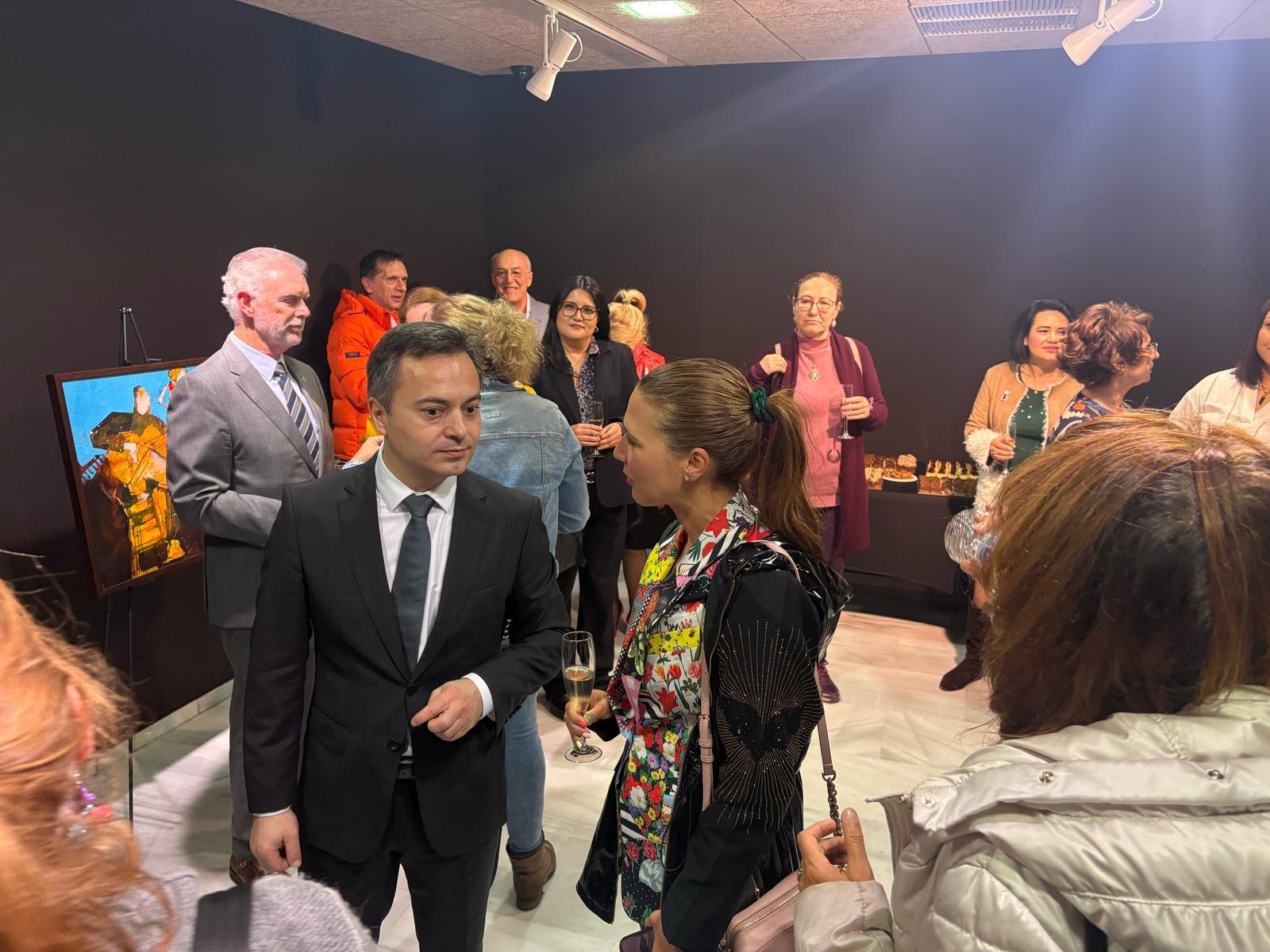
Back left: Fado I by painter Florin Mugur-Popa, exhibited at the Málaga event.
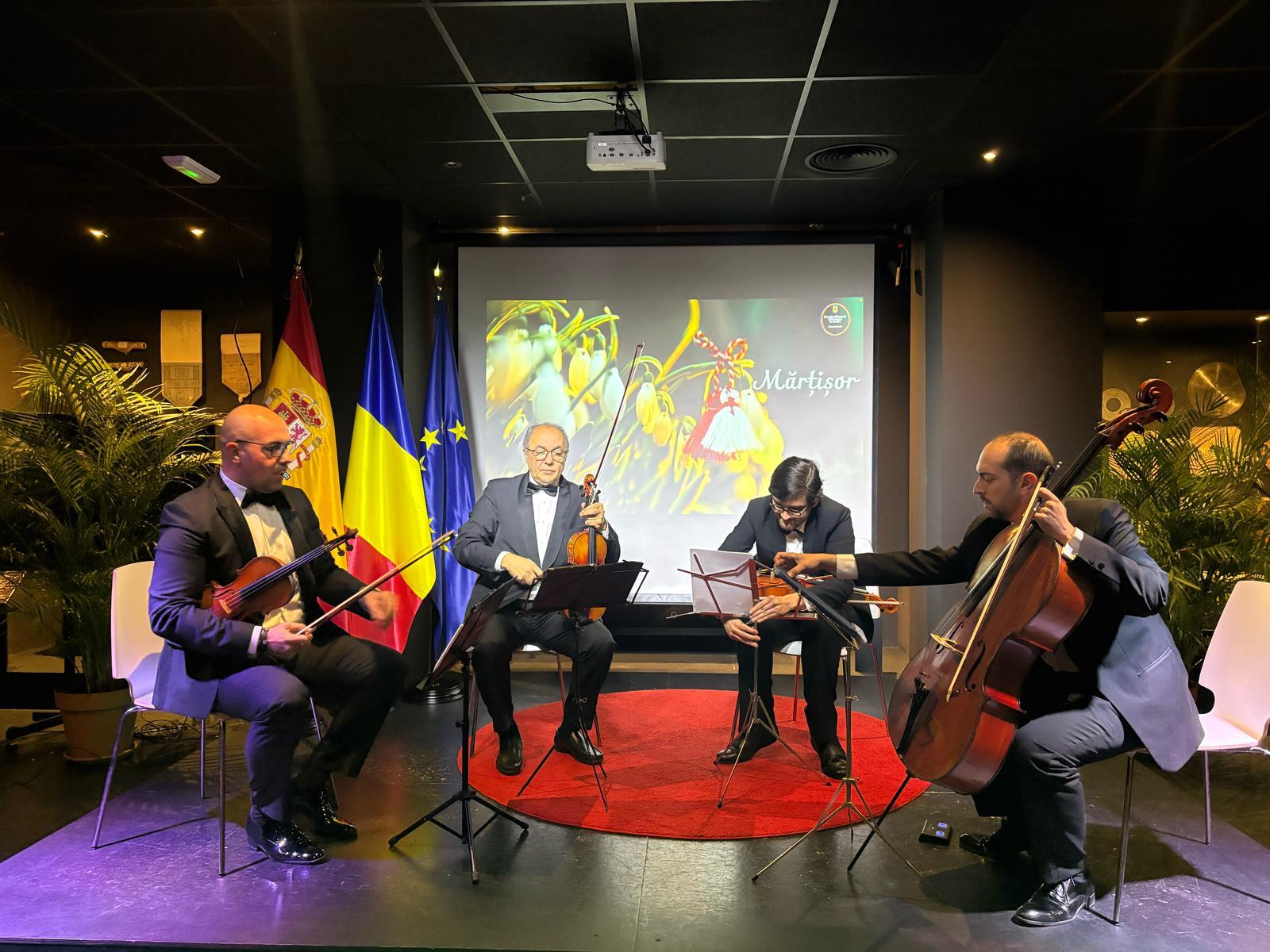
The quartet at the Interactive Music Museum in Málaga
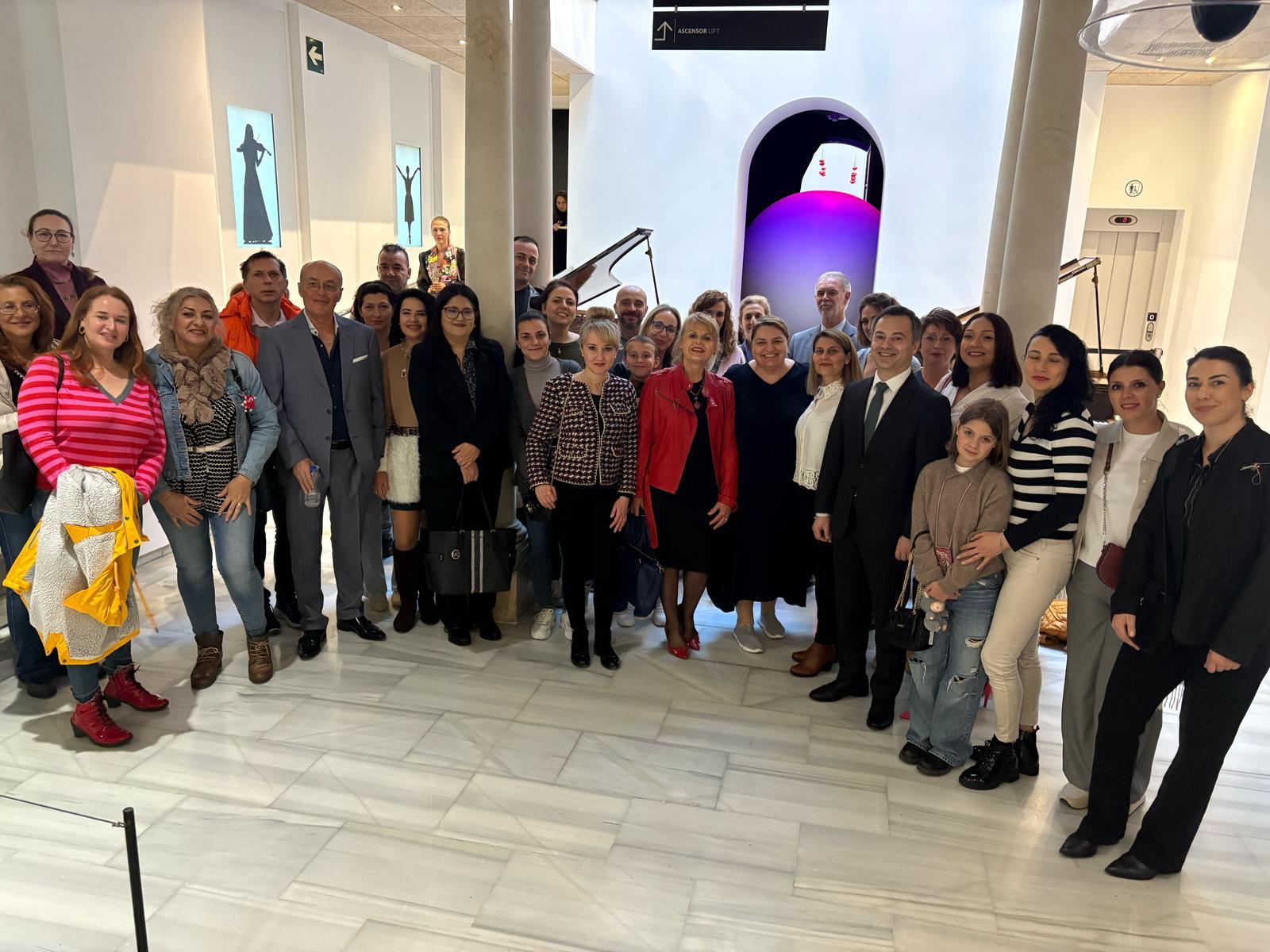
The audience present at the Mărțișor event held at the Music Museum in Málaga.
June 27, 2025 marked the London Design Biennale communication session organized by the Art Mirror Association in partnership with WIN Alliance, at Somerset House. At the invitation of the organizers and under the guidance of Irina Stoenescu, President of WIN Gallery, the London audience was invited to slow down and reflect in a space where culture, art, and personal questions were shared naturally. The themes explored the relationship between art, urban development, and thriving communities. Artists represented by WIN Gallery at the London Biennale included Sergiu and Daniela Grapă, Carmen Marin, and Ioana Raluca Zamfir.
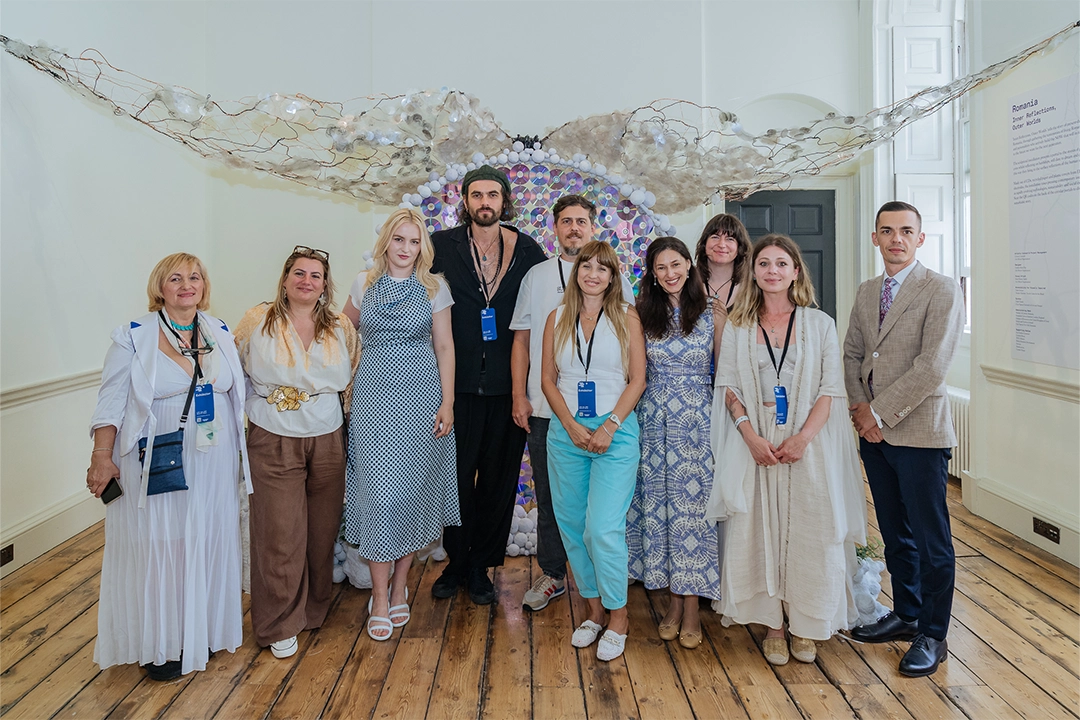
The extended group of organizers of the communication session at the London Design Biennale; the Art Mirror team; the president of WIN Gallery, Irina Stoenescu, and arts promoter, Cristi Pascu.
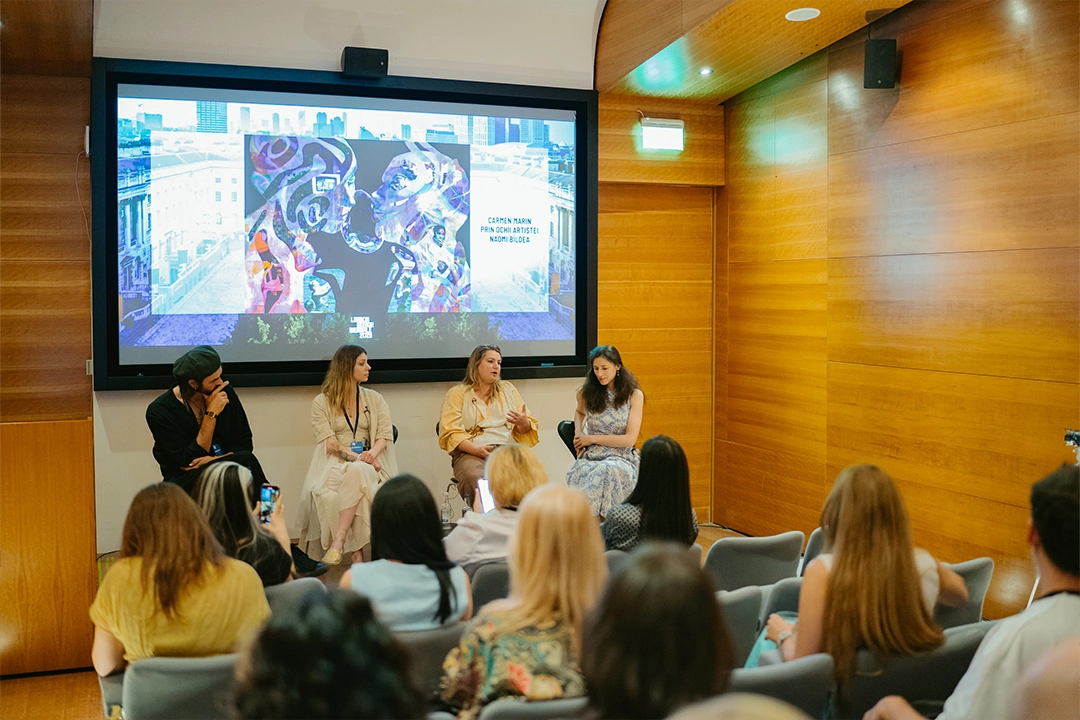
Panel discussion speakers during the communication session at the London Design Biennale, moderated by Irina Stoenescu, president of WIN Gallery.
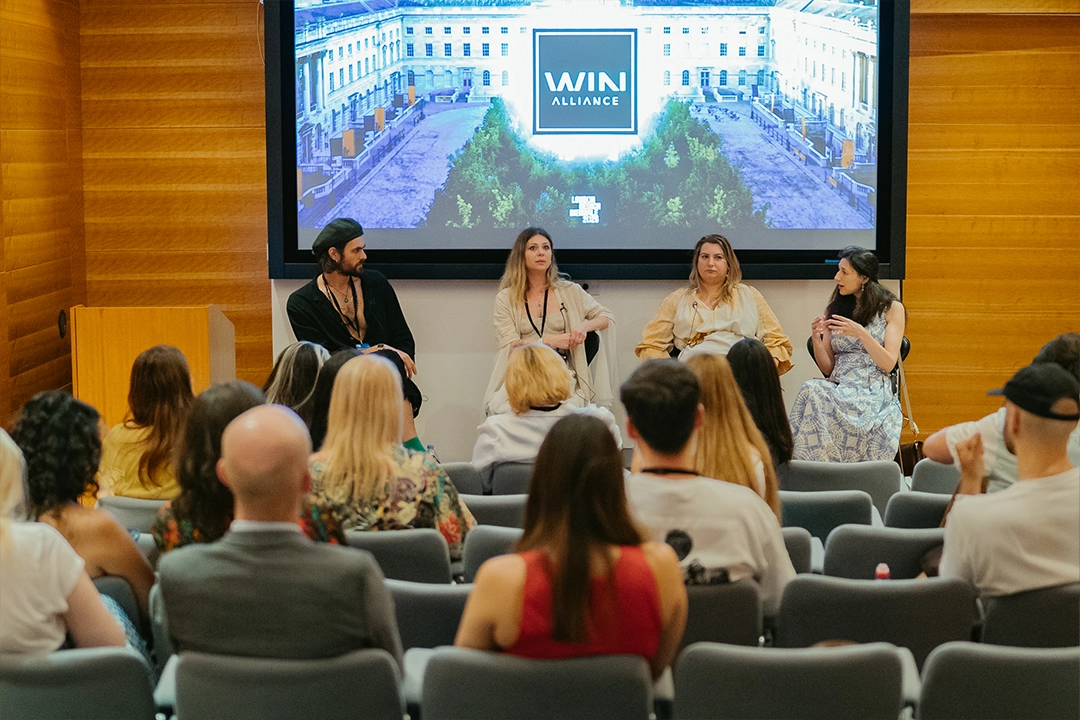
Panel discussion speakers during the communication session at the London Design Biennale, moderated by Irina Stoenescu, president of WIN Gallery.
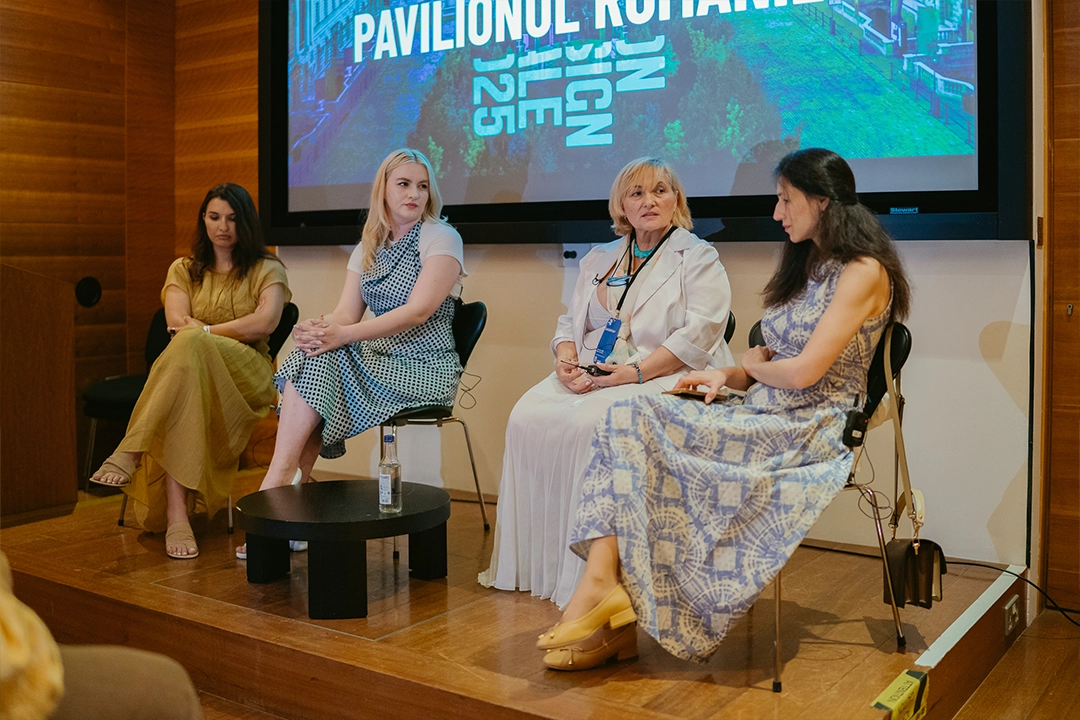
Panel discussion speakers during the communication session at the London Design Biennale, moderated by Irina Stoenescu, president of WIN Gallery.
In Lisbon and Ponte de Sor, the exhibitions Nonlinear Dystopias and Da minha janela were organized in partnership with the Houses of Fronteira and Alorna Foundation, the Romanian Cultural Institute, and the Embassy of Romania in Portugal, in direct dialogue with local audiences.
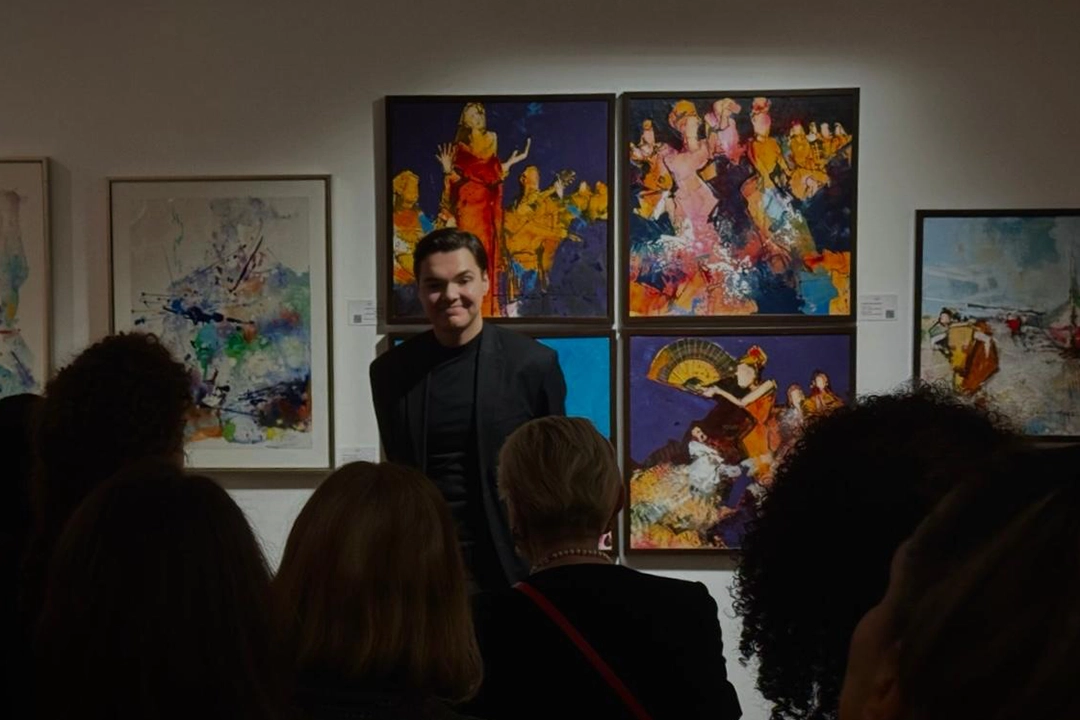
Guided tour during the opening of Nonlinear Dystopias in Lisbon. In the background, works by artists Florin Mocanu and Florin Mugur Popa.
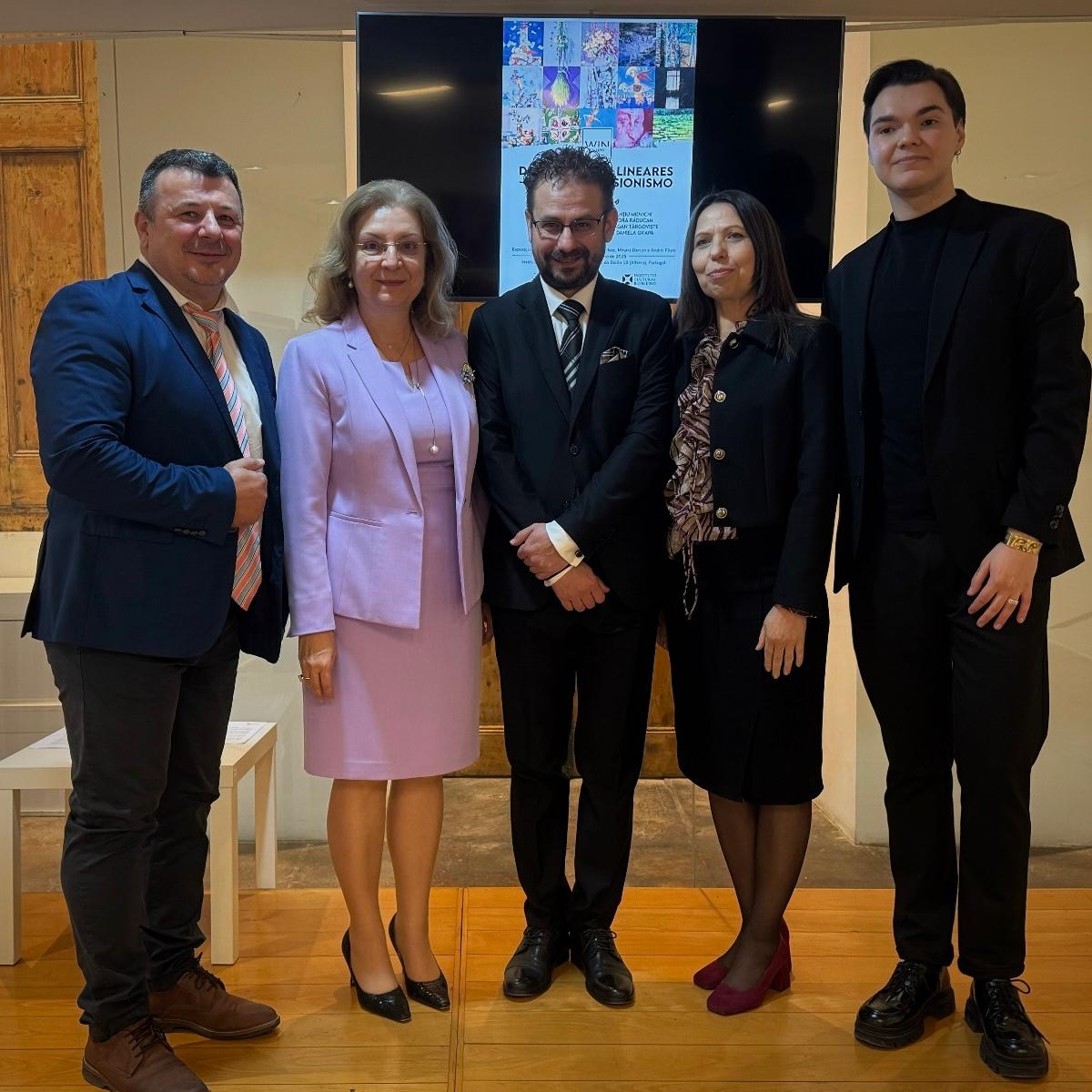
From left to right: Dinu Gîndu, Director of ICR Lisbon; Daniela Gîtman, Ambassador of Romania to Portugal; Cătălin Guriță-Manole, CEO of WIN Alliance; Mihaela Toader, Deputy Director of ICR Lisbon; Andrei Fășie, Gallery Assistant, WIN Gallery.
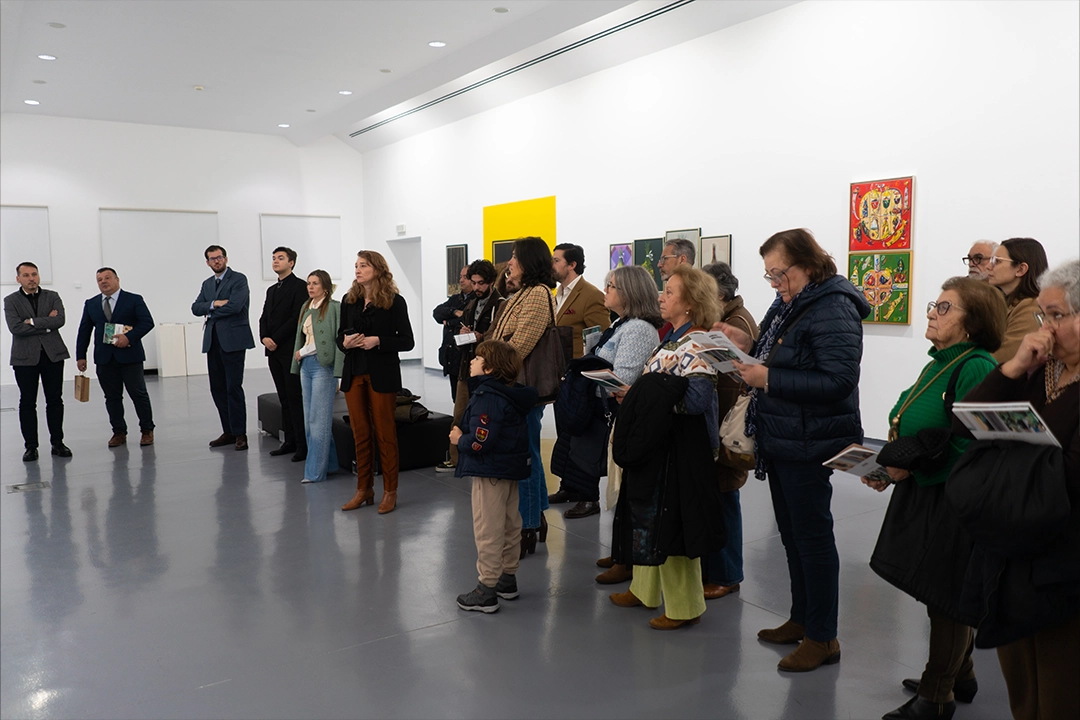
Guided tour during the opening of Da minha janela in Ponte de Sor. In the background, works by artists Relu Bițulescu, Marcel Lupșe, and Ștefan Pelmuș.