






win%3Dalliance-networking-session
win-alliance-white
win-herastrau-win-real-estate
win%20real%20estate
win-brokers-broler-bucuri-de-lux
win-brokers-white
win-tireanu-motorsport-win-alliance%20copy
win-motorport-logo-alb

Tristan Tzara and the Spanish avant-garde

tristan-tzara-01 tristan-tzara-01

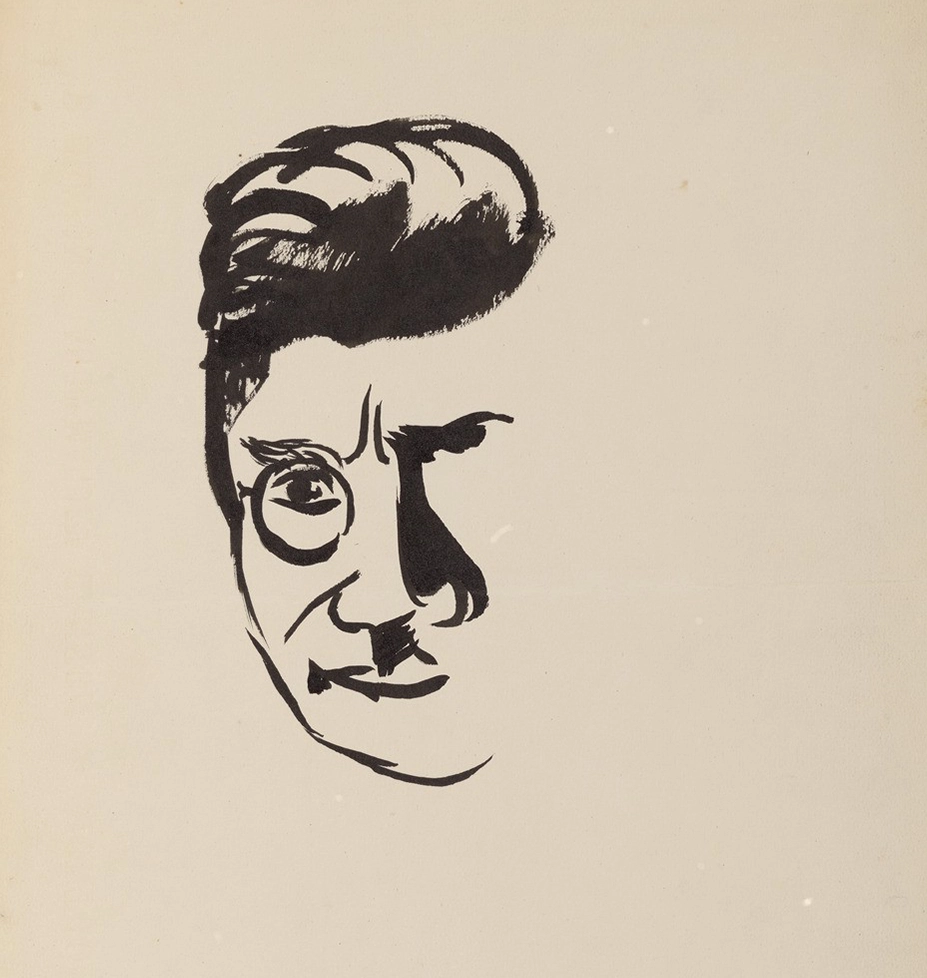
Robert Delaunay, Tristan Tzara [dessin], 1923, (encre de Chine, 17 × 9 cm), 
Bibliothèque nationale de France, departementul Stampe și Fotografie

Sursă foto:
https://gallica.bnf.fr/ark:/12148/btv1b52509807m.r=tristan%20tzara?rk=21459;2#

Often compared to the explosion of a supernova in the cultural and artistic universe of the 20th century, the Dada movement represents one of the most radical and transformative moments in the history of modern art. The challenge to aesthetic conventions became a new form of intellectual and artistic expression, against a backdrop deeply marked by the First World War. The movement was founded in Zürich on 5 February 1916, in a recently opened venue that was to become the famous Cabaret Voltaire. One of the movement’s founders, the Romanian-born poet Tristan Tzara, became one of the leading thinkers, theorists and international promoters of Dadaism. 
DADA – A language of the absurd  

Dada challenged society’s traditional values, rigid logic and the authority of cultural institutions, proposing a language of the absurd, of spontaneity, of chance and of absolute creative freedom. Through manifestos, experimental poetry and provocative interventions, Tzara helped to redefine the relationship between word and image, giving a whole new meaning to objects considered banal, mundane or devoid of artistic value. Through the concept of the ‘readymade’ (a ready-made object), introduced in particular by Marcel Duchamp, the Dadaists took industrial or everyday objects (for example, a bicycle wheel or a bottle rack) and removed them from their utilitarian context. 

Tristan Tzara’s vision – a pseudonym rumoured to stem from the poet feeling ‘sad in the country’ – transcended the boundaries of literature, influencing the visual arts, collage, photography, typography and forms of performance art. 

Dadaist ideas in Spain

The Dadaist concept found an artistic milieu in Spain that was receptive to experimentation. Madrid became one of the places where the spirit of Dada was enthusiastically embraced and reinterpreted, contributing to the development of the avant-garde scene. The movement’s influence is not limited to the import of ideas – neither those of Tzara nor of the other founders of the movement – but manifests itself as an adherence to a set of common principles: freedom of expression, the rejection of pre-established norms, and the exploration of alternative forms of representation. 

Museo Nacional Reina Sofía

tristan-tzara-02 tristan-tzara-02

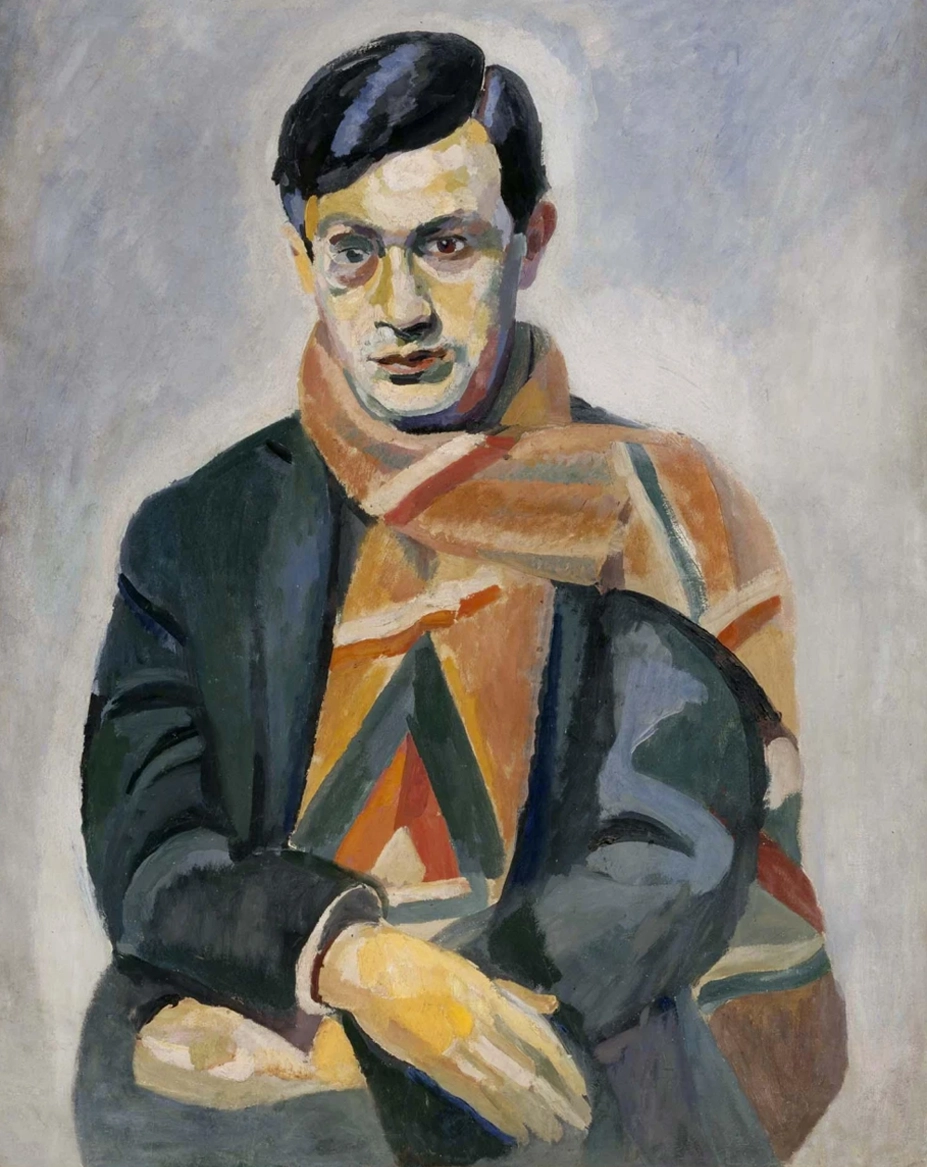
Robert Delaunay, „Portretul lui Tristan Tzara” 1923; 
Ulei pe hârtie cartonată; 104,5 x 75 cm; 
Museo Nacional Centro de Arte Reina Sofía (MNCARS) 

Sursă foto: 
https://www.museoreinasofia.es/en/collections/artwork/retrato-de-tristan-tzara-portrait-tristan-tzara 

The works included in the collections of the Reina Sofía National Art Museum (Museo Nacional Centro de Arte Reina Sofía), one of Europe’s most important museums dedicated to modern and contemporary art, also serve as a testament to the significance of this phenomenon. 

One of the best-known depictions of Tristan Tzara – ‘Portrait of Tristan Tzara’ – forms part of the permanent collection. The oil painting on cardboard was created in 1923 by the artist Robert Delaunay. The work was created during a period when Delaunay had temporarily returned to figurative painting, before devoting himself exclusively to abstract art from 1930 onwards. The Romanian poet is depicted wearing a scarf with a distinctive geometric design, created by the painter’s wife, Sonia Delaunay, who had frequently collaborated with the Dada circle. 

The iconic figure of Tristan Tzara has become a cultural bridge between Romania and Spain—an invitation to rediscover an artistic revolution that transformed negation into a language and the absurd into a creative principle. It also serves as evidence of the essential contribution made by Romanian intellectuals to the evolution of European modernism.

The WIN Gallery Team